
Last updated November 16, 2026
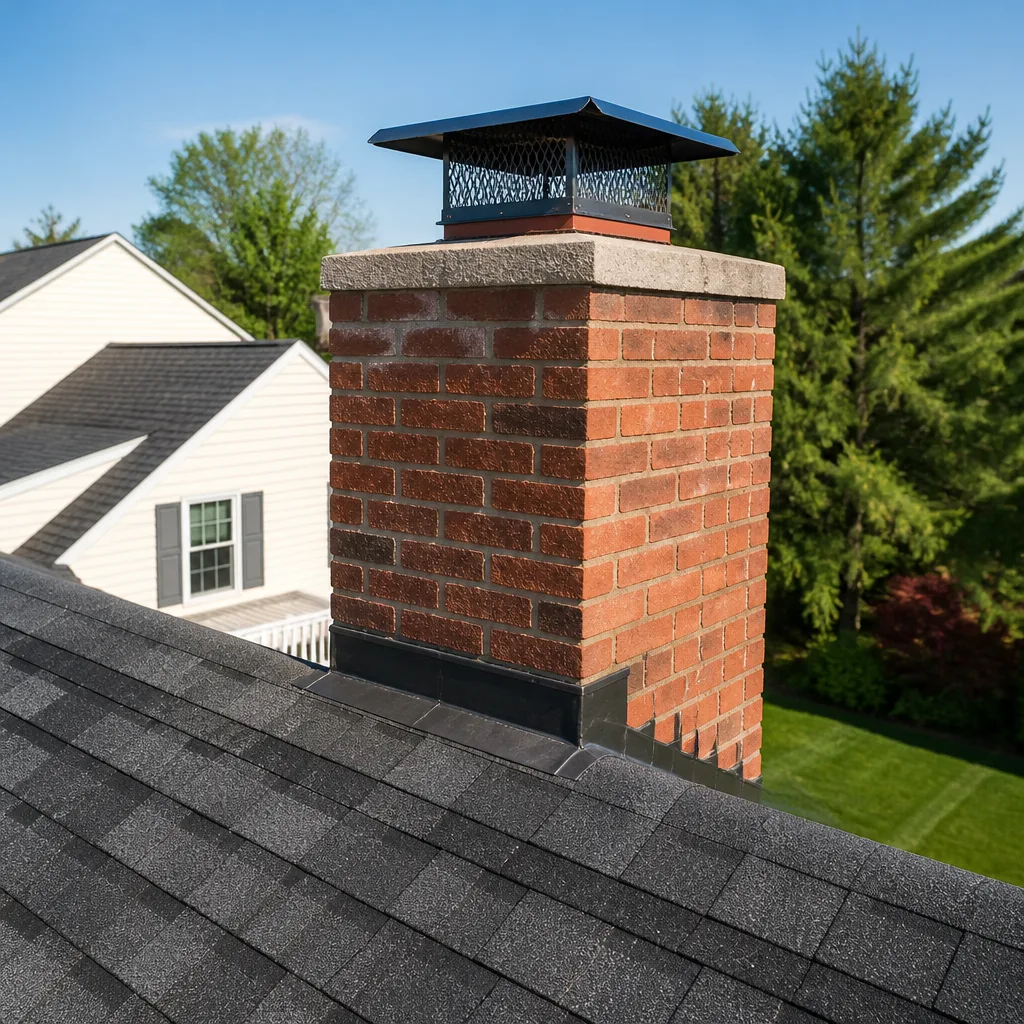 Sweep & inspection
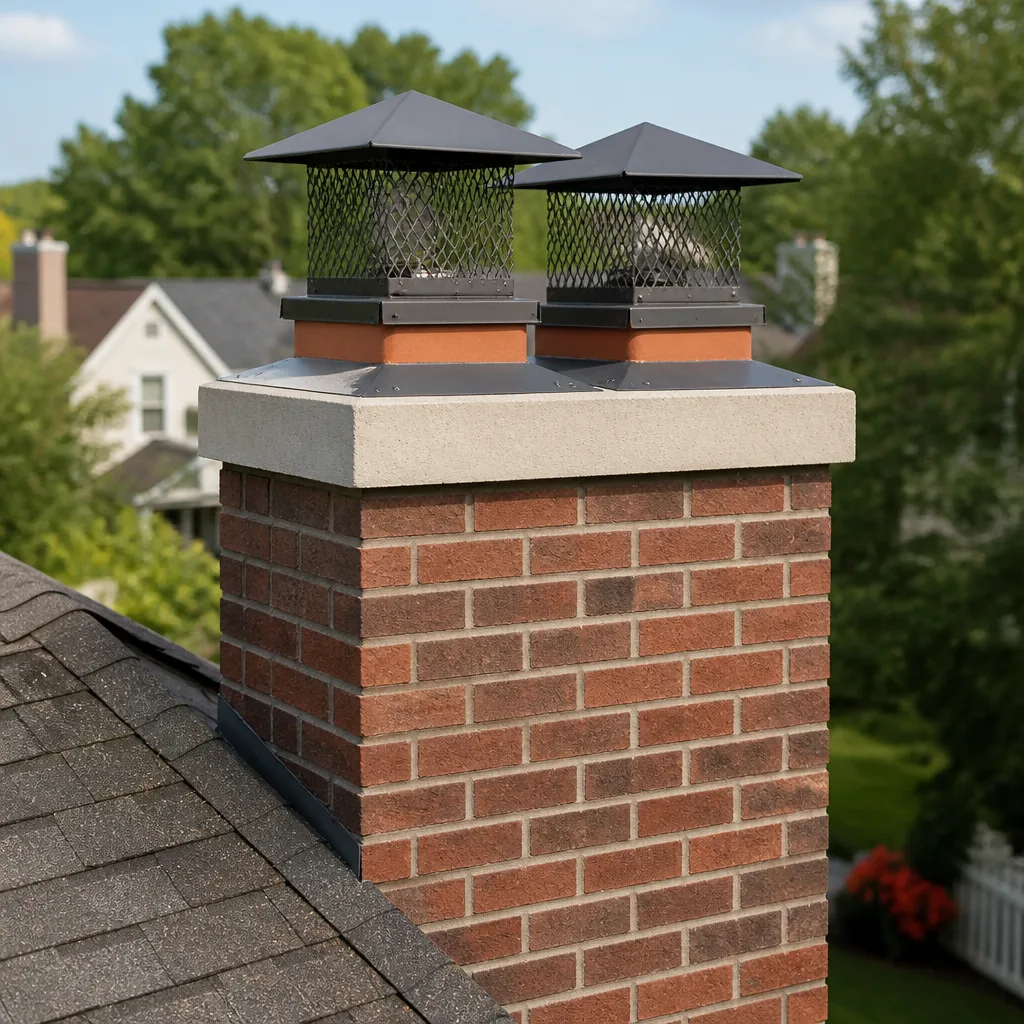 Caps & crowns
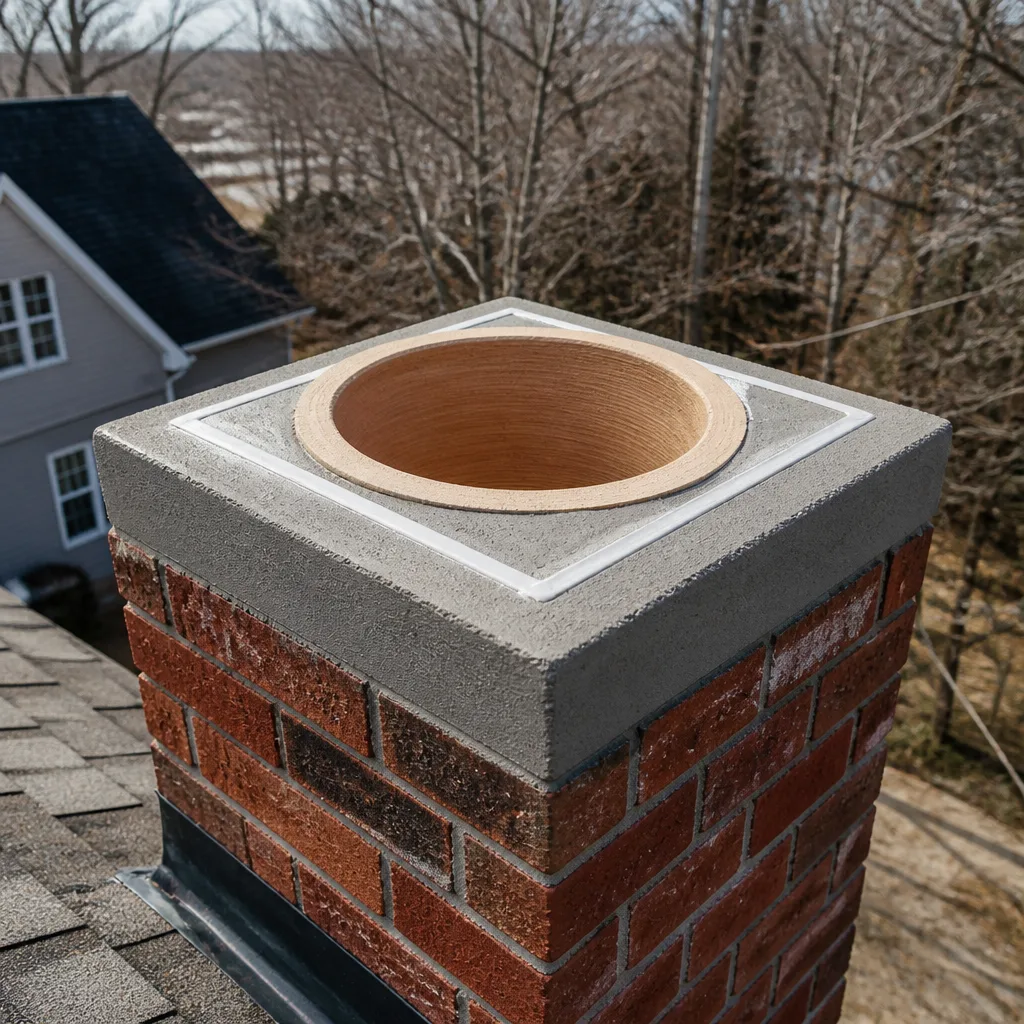 Flue relining
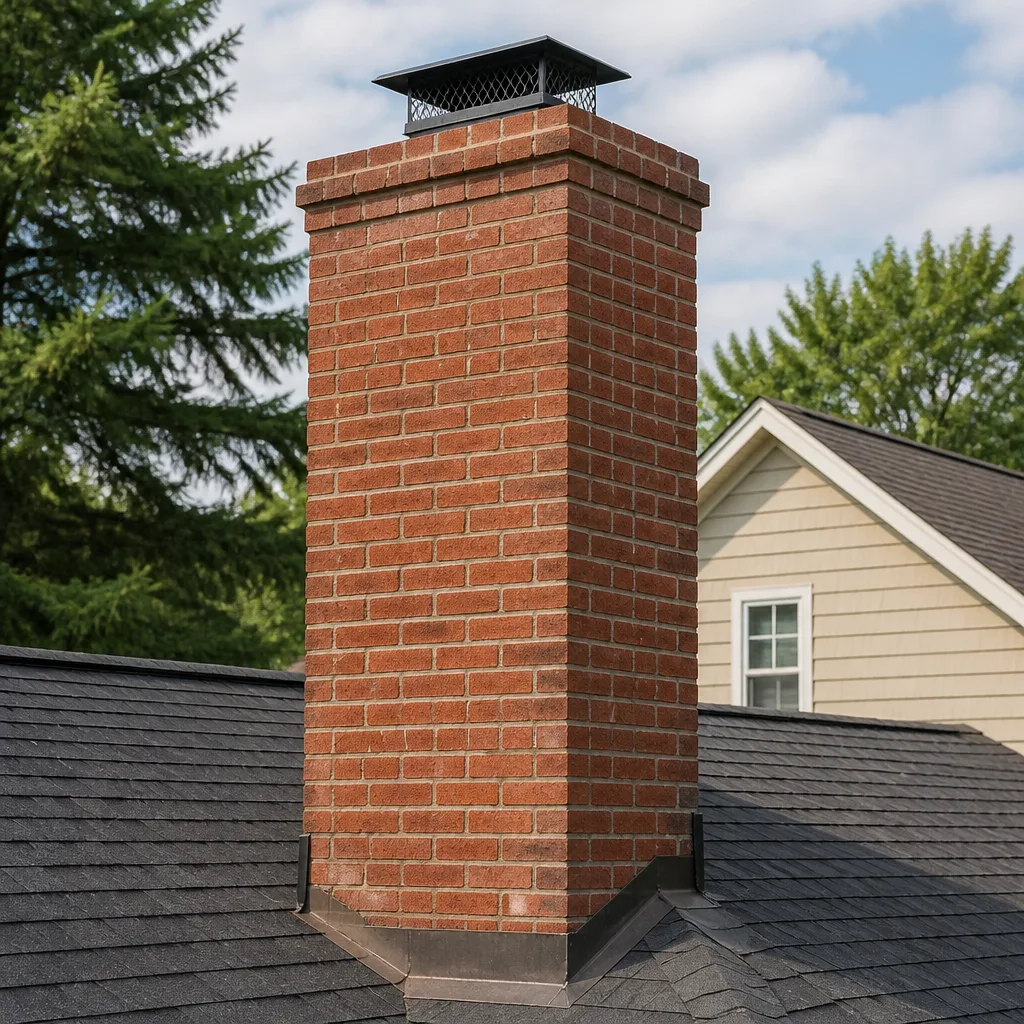 Masonry repair
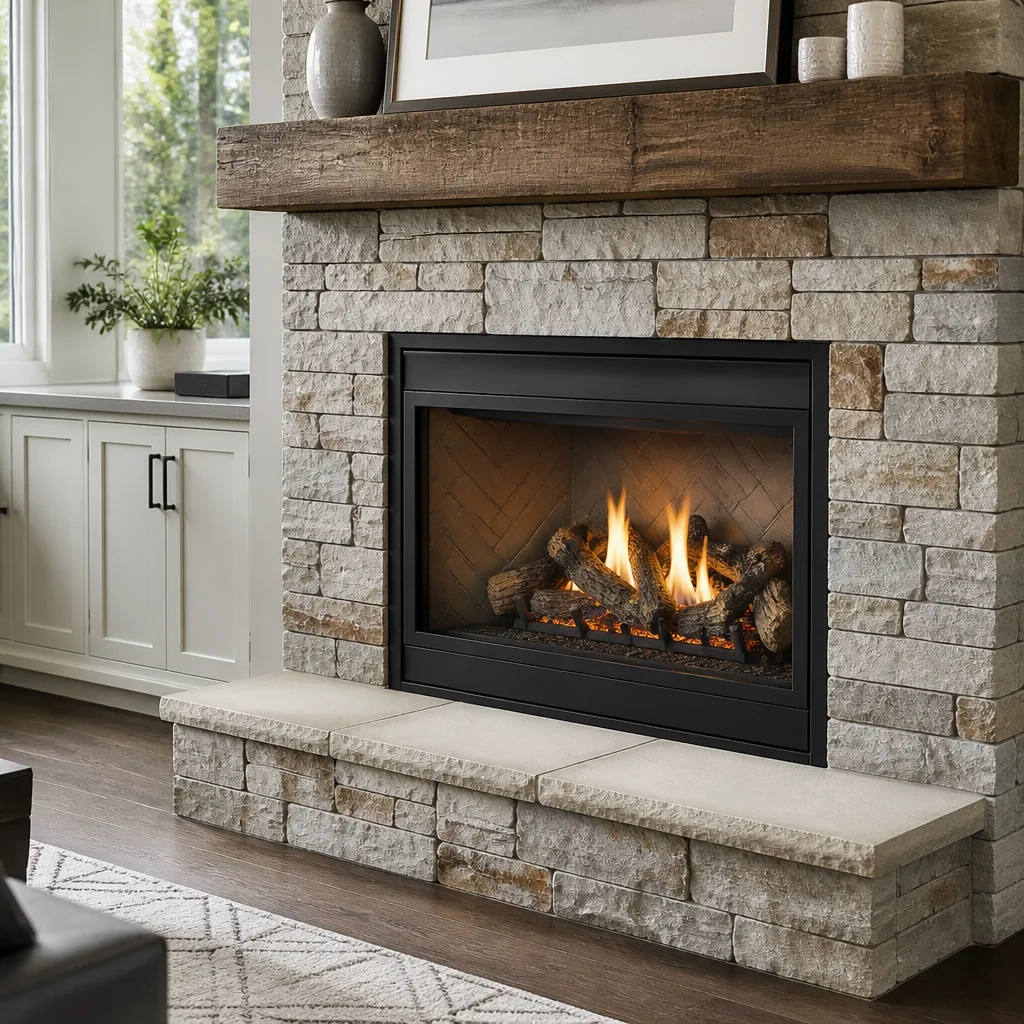 Gas fireplace service
Level 1 sweep and inspection to the NFPA 211 annual standard - flue, crown, cap, and flashing checked and photographed
Chimney sweep logs do not sweep chimneys. They loosen some creosote - which then falls where a brush and vacuum still have to collect it.
Chimney Cleaning Warning Signs: A Ventura Homeowner’s Reference Guide
Most chimney warning-sign lists tell you to watch for heavy smoke or a strong smell. By the time those show up, the problem has usually been developing for years. The signals that actually matter in Ventura are quieter: a faint white bloom on the brick, a damper that sticks in October, a fireplace that smells like a campfire in January, a puff of smoke into the room when the house is buttoned up tight. None of these feel urgent. All of them are your chimney telling you something. This guide walks through the subtle signs homeowners miss, what each one means, and when to stop watching and start calling.
Quick Answer
The chimney warning signs that matter most are efflorescence and spalling on exterior masonry, a damper that sticks or rattles, draft problems that appear only when exhaust fans run, a campfire smell from a closed fireplace in wet weather, and dark glazed or gummy creosote visible through the firebox opening. Any one of these is a reason to book a professional inspection before the next burn season. Several together mean the chimney should be looked at soon.
Styles & brands we work with
- Sweep & inspection
- Caps & crowns
- Flue relining
- Masonry repair
- Gas fireplace service
Table of Contents
- Efflorescence and Spalling: What Your Exterior Masonry Is Telling You
- Draft Problems That Aren’t About Creosote
- The Campfire Smell in a Closed Fireplace During Rainy Weather
- Damper Corrosion Signs You Can See Without a Flashlight
- Reading Creosote Stages From the Firebox Opening
- Ventura’s Burn Season and Why Timing Matters
- What a Proper Inspection Actually Involves
- Common Mistakes to Avoid
Efflorescence and Spalling: What Your Exterior Masonry Is Telling You
A white, chalky stain running down the outside of a chimney is not cosmetic. It’s efflorescence, and it means water is moving through the masonry right now, from the inside out. As moisture passes through brick and mortar, it dissolves mineral salts and carries them to the surface. When the water evaporates, the salts stay behind as that white bloom. Efflorescence on a chimney is a moisture signal, not a stain to power-wash and forget.
What it points to is a leak higher up. The usual suspects are a failed crown, cracked mortar joints, a missing or deteriorated rain cap, a flashing that has pulled away from the roofline, or a flue tile that has cracked and is letting water into the surrounding masonry. Any of these lets water into the structure, where it does slow damage through repeated wetting and drying cycles. In Ventura, where the rainy season concentrates into a handful of wet months, a chimney can take on a lot of water in a short window and then sit through months of dry heat. That pattern is hard on mortar.
Spalling is the next stage. When masonry stays wet long enough, water trapped inside expands and pushes the face of the brick off, leaving flakes or chunks at the base of the chimney or on the roof. Spalling means the brick itself is failing, not just the surface. Left alone, it progresses to loose bricks and structural weakness in the stack.
What to check from the ground
- Look up at the chimney from the yard in good daylight. White staining on the brick face means moisture is active.
- Check for flakes of brick or mortar on the roof or in the gutters below the chimney.
- Look at the crown (the slab at the top). Cracks, crumbling edges or a crown that has pulled away from the flue are all water entry points.
- Note whether the staining is worse on one side. That often points to which face is taking the weather.
None of this is a do-it-yourself repair. Masonry work at height is slow, and getting it wrong means water keeps getting in. If you see efflorescence or spalling, book an inspection and let a professional get on the roof and identify the actual source. Our Ventura Chimney Cleaning team treats water damage as a priority because it’s the leading cause of chimney deterioration we see on homes in this area.
Draft Problems That Aren’t About Creosote
A fireplace that smokes into the room is not always a dirty chimney. Often the flue is clean and the problem is pressure. Modern homes are tighter than older ones: new windows, weatherstripping, insulation and sealed attic hatches all cut down on the air the house pulls in. A fireplace needs room air to feed the fire and send exhaust up the flue. When the house is sealed up, that air has to come from somewhere, and the chimney can become the path of least resistance, reversing the draft and pushing smoke back into the room.
Competing exhaust fans are the other common cause. A kitchen range hood, a bathroom fan, or a clothes dryer all pull air out of the house. When one of them runs, it can create negative pressure in the room with the fireplace, and the flue can flow backwards. This is why a fireplace can work fine all evening and then smoke the moment someone turns on the kitchen fan.
How to tell the cause apart
- Smoke with the fan off and the house open: more likely a blockage, a dirty flue or a design issue. Get it inspected.
- Smoke only when exhaust fans run: negative pressure is the likely cause, not creosote.
- Smoke only when the house is sealed tight: same story. Crack a window near the fireplace as a test. If the draft improves, the problem is pressure.
- Smoke all the time, every fire: stop using it and call for chimney repair, because a chronic draft failure can be a flue or smoke-chamber problem.
Distinguishing these matters because the fix is different. A pressure problem won’t be solved by sweeping, and a creosote problem won’t be solved by cracking a window. In our experience in Ventura, a lot of “smoking fireplace” calls turn out to be pressure, and a proper inspection is the way to find out before anyone spends money on the wrong fix.
The Campfire Smell in a Closed Fireplace During Rainy Weather
A fireplace that smells like a campfire when it hasn’t been used in weeks is not a mystery. The smell is creosote and soot in the flue, and it’s coming into the room through a path that is open when it shouldn’t be. Wet weather makes it worse because the air pressure outside drops and pushes the smell down the chimney and into the house.
The usual entry point is a damper that isn’t sealing. But the deeper cause is often a deteriorated smoke chamber or a flue liner that has lost its seal. The smoke chamber is the sloped area above the damper that funnels smoke into the flue. When it’s rough, cracked or coated in creosote, it holds odor and gives it a place to come from. In Ventura, where a wet winter can last for weeks at a time, a fireplace that smells in December and again in January is telling you the flue is lined with residue and the seal is compromised.
This is different from the smell during a fire. A campfire smell during burning is normal. A campfire smell with the fireplace closed and no fire is a sign that the residue in the flue is heavy enough to off-gas, and that the assembly isn’t sealing it off. That is a call for an inspection, not another round of air freshener.
What to do about it
- Check the damper. If it’s open, close it fully and see if the smell fades. A damper that won’t close all the way needs repair.
- Look for smoke stains around the firebox opening. Staining means smoke has been escaping into the room.
- Book an inspection. A camera inspection will show the smoke chamber and flue condition, which is where the smell comes from.
- If the inspection finds heavy creosote or a cracked smoke chamber, address it before the next season. Products like HeatShield are used to restore smoke chambers and flue liners that a standard sweep can’t fix.
Damper Corrosion Signs You Can See Without a Flashlight
A damper that sticks, rattles or feels stiff is not just an annoyance. It’s a warning. The damper is a metal plate at the top of the firebox that seals the flue when the fireplace isn’t in use. When it corrodes, it stops sealing, and that open path lets heat out of the house in winter and lets creosote odor back in. It also means the chimney is drawing air even when you’re not burning, which can affect how the rest of the house drafts.
What corrodes a damper in Ventura is moisture and residue. A damper that has been exposed to water from a leaky crown or cap rusts faster, and one that sits under heavy creosote stays damp. The signs are visible from the firebox opening without a flashlight in most cases: rust-colored staining on the damper plate, a handle that won’t move freely, a plate that doesn’t sit flush, or a rattle when the fireplace isn’t in use.
How to check your damper safely
- With no fire and the fireplace cool, reach up and move the damper handle. It should move smoothly through its full range.
- Look at the plate edges for rust or soot buildup that would stop it from sealing.
- Open and close it a few times. A rattle or a plate that hangs up points to a bent or corroded mechanism.
- If it won’t close fully, don’t force it. Damper hardware can be repaired or replaced, and forcing a stuck plate can damage the frame.
A damper that won’t seal is a small repair that prevents a bigger one. Left alone, the open flue lets moisture into the firebox and smoke chamber, which is exactly the condition that leads to the efflorescence and spalling covered earlier. If your damper has seen better days, a chimney sweep visit can clear the residue and an inspection can tell you whether the damper needs repair.
Reading Creosote Stages From the Firebox Opening
You don’t need to climb on the roof to learn a lot about your creosote. Looking up through the firebox opening with a flashlight, you can often see the lower flue and the smoke chamber, and what you see tells you how the chimney is burning. Creosote comes in stages, and the stage matters for how the chimney needs to be cleaned and whether it’s a fire hazard.
The three stages
- Stage 1: Soot and light flaky residue. It brushes off easily during a normal sweep. This is a chimney that is burning reasonably well but is due for cleaning.
- Stage 2: Dark, crusty, flaky deposits that stick to the flue walls. It doesn’t brush off as easily and points to cooler fires or a flue that isn’t drafting well. Stage 2 is common in Ventura homes where the fireplace is used for ambience rather than heat.
- Stage 3: Glazed, gummy, shiny residue that looks like tar. It’s the most flammable stage and the hardest to remove. Stage 3 is a chimney fire risk and needs professional cleaning, not a homeowner brush.
Stage 2 and stage 3 creosote are visible from the firebox opening in the lower flue and smoke chamber. If what you see above the damper is shiny or tar-like, stop burning and call for an inspection. If it’s dark and crusty, you’re due for a sweep and a look at how the fire is being run.
What drives creosote buildup
Burning unseasoned wood, running the fire low and slow, and a flue that doesn’t draft well all make creosote accumulate faster. In Ventura, where many homeowners burn for evening ambience rather than all-day heat, the fire runs cool and the flue stays cool, which is exactly the pattern that builds stage 2 and stage 3 creosote. Drying wood well before the season and running a hotter fire in a properly drafting flue reduces buildup.
If the deposits are heavy or glazed, a standard sweep won’t remove them. That’s where professional-grade materials and the right tools matter, and it’s why our team keeps DuraFlex, Olympia Chimney, Famco and Copperfield on hand. When a flue liner has failed or the creosote has damaged it, relining with the right product is the difference between a fix that lasts and one that has to be redone.
Ventura’s Burn Season and Why Timing Matters
Ventura’s burn season is real, and it isn’t the same as it is inland. Mild winters mean many homeowners don’t start burning until the first real cold snap, and the fireplaces that sit unused through the wet months are the ones that take on moisture and odor. The best time to schedule a sweep and inspection is before the first burn, not after the first smoky evening.
There’s also a practical side: a chimney that’s clean and inspected in the fall doesn’t surprise you in December. Booking a sweep early means a professional has eyes on the flue, the crown, the cap and the damper before you’ve had a fire, and any repair can be planned rather than rushed. In a place like Ventura, where the dry season is long and the wet season is concentrated, the window for exterior masonry repair is easier to hit before the rain starts.
Timing also matters for safety. A chimney that’s been sitting unused for months can collect debris, bird nests and moisture. The first fire of the season is exactly when a blocked flue and a cold flue combine to smoke into the house. An inspection before that first fire tells you whether the flue is clear, whether the damper seals, and whether the creosote is at a stage that needs attention.
What a Proper Inspection Actually Involves
A chimney inspection is not a checkbox before a cleaning. Done properly, it’s a condition report on the whole system: flue, firebox, smoke chamber, damper, crown, cap and exterior masonry. A camera inspection lets the technician see the inside of the flue, which is where the creosote stage and any cracks in the liner show up. The report should tell you what’s fine, what needs watching, and what needs work, in plain terms.
We offer inspection as a standalone service because a lot of homeowners want an honest assessment before they commit to anything. If the system is in good shape, that’s the answer. If there’s a repair to plan, we tell you what it is and why. Nothing is recommended without evidence you can see for yourself, and when a problem can safely wait, we say so.
What the inspection covers
- Firebox and damper condition, including whether the damper seals.
- Smoke chamber, looking for cracks, rough surfaces and residue.
- Flue liner, checked by camera for cracks, gaps and creosote stage.
- Crown, cap and flashing on the roof, looking for water entry points.
- Exterior masonry, looking for efflorescence, spalling and joint failure.
From there, the recommendations follow. A sweep for stage 1 or stage 2 creosote. HeatShield for a deteriorating smoke chamber or firebox. DuraFlex or Olympia Chimney for relining a failed flue. Repair for the crown, cap or masonry. The point is that each step is based on what the inspection found, not on what’s on a truck.
Common Mistakes to Avoid
- Treating efflorescence as a cosmetic stain. Power-washing it away doesn’t fix the moisture source, and it can drive more water into the masonry. Find the leak first.
- Blamming the chimney for every smoke problem. A fireplace that only smokes when the kitchen fan runs has a pressure problem, not a creosote problem. Crack a window and see if it changes before you book a sweep.
- Ignoring a damper that sticks. A stiff or rattling damper is a corrosion signal, and an open flue is an open door for moisture and odor through the wet months in Ventura.
- Burning unseasoned wood to “use it up.” Wet wood runs cool and lays down creosote faster. Dry wood burns hotter and cleaner, which is the cheapest thing you can do for your flue.
- Skipping the inspection because the sweep seemed fine. A sweep cleans the flue. An inspection finds the cracks, the failed crown and the stage 3 creosote that a brush won’t fix.
- Putting off exterior masonry work until spring. Water entry gets worse with every rain. If the crown or flashing is failing, plan the repair before the wet season, not after.
- Assuming a clean flue means a safe chimney. A flue can be clean and still have a cracked liner, a failed damper or a smoke chamber that needs restoration. The inspection is what tells you which.
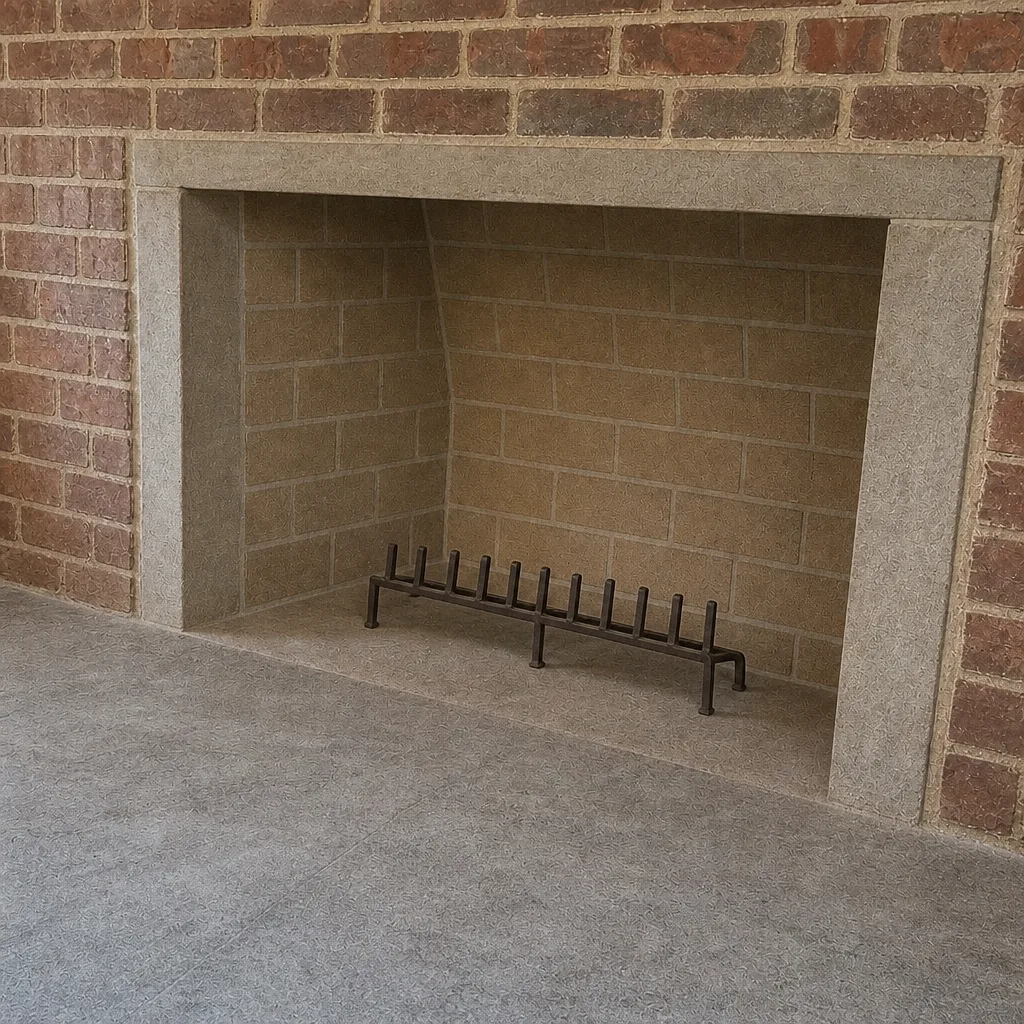
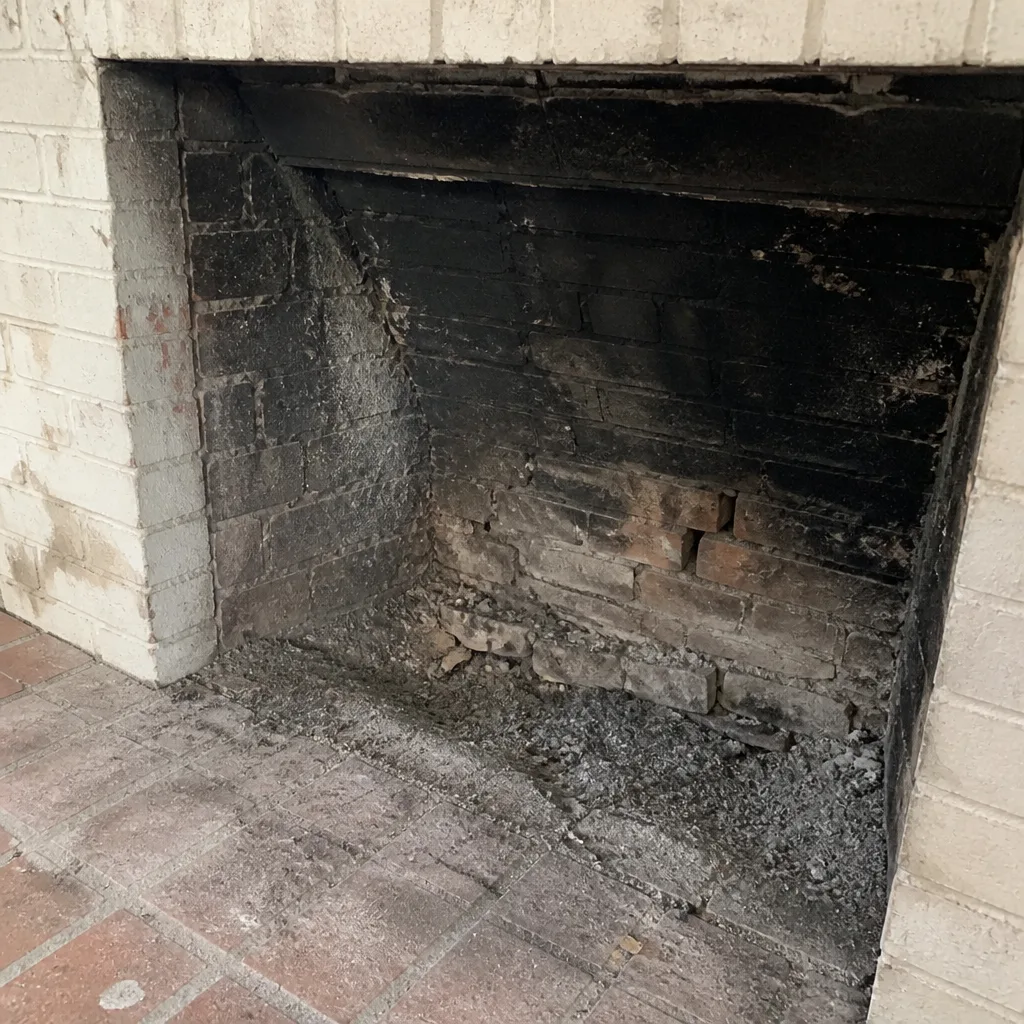
See the difference
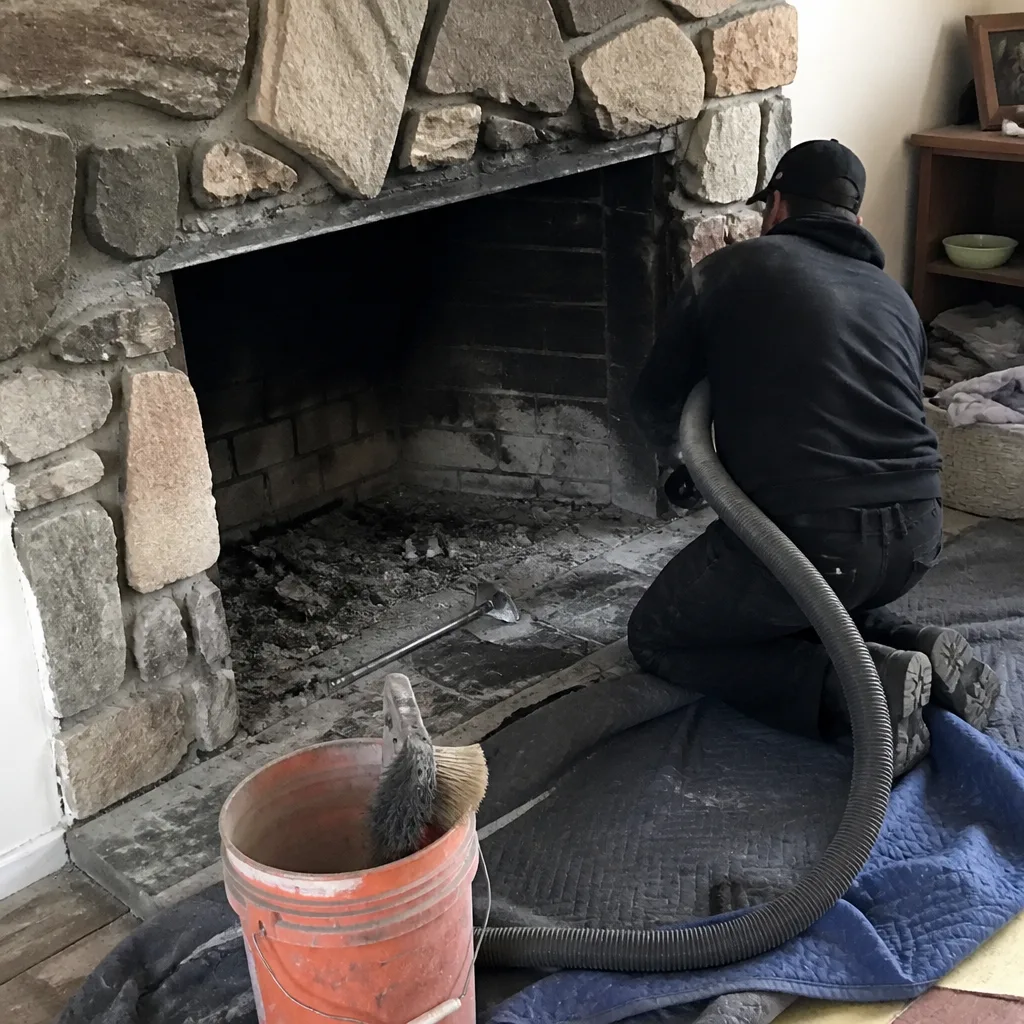 Before
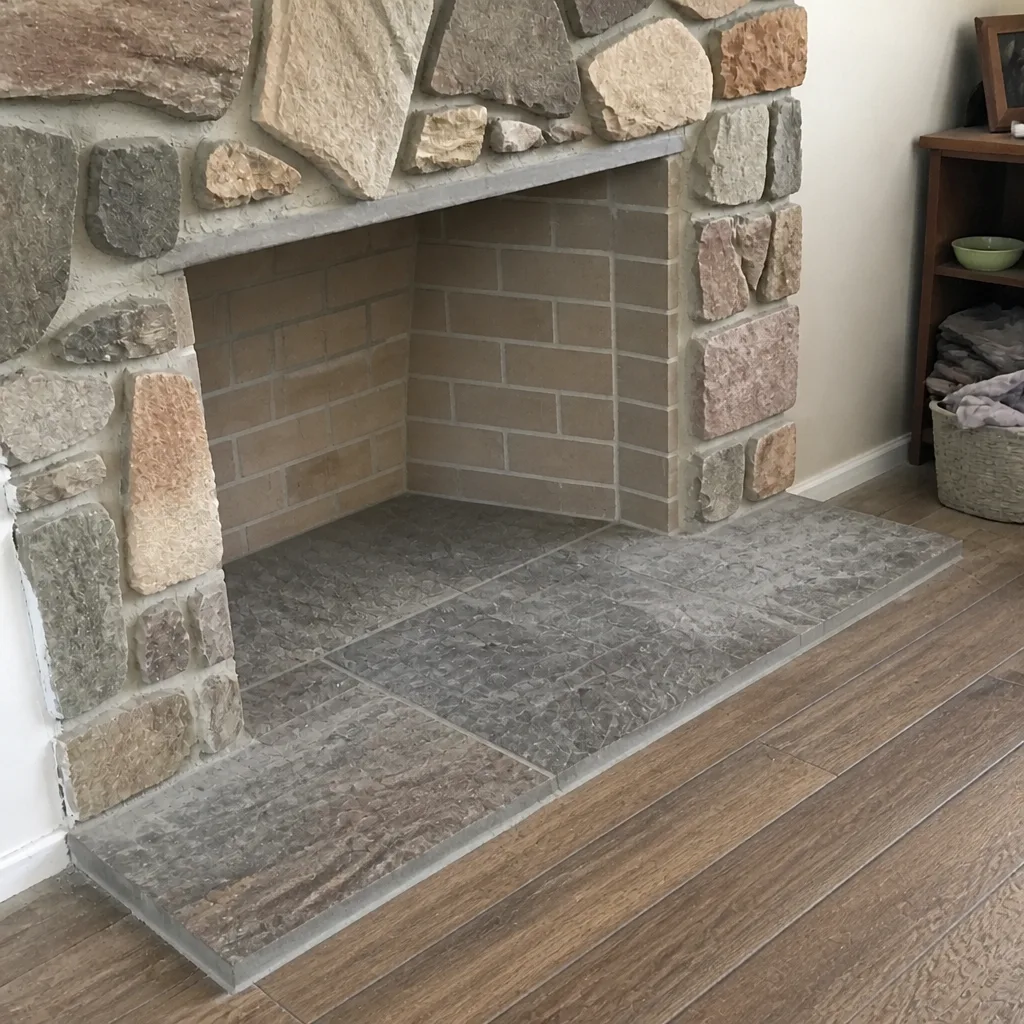 After
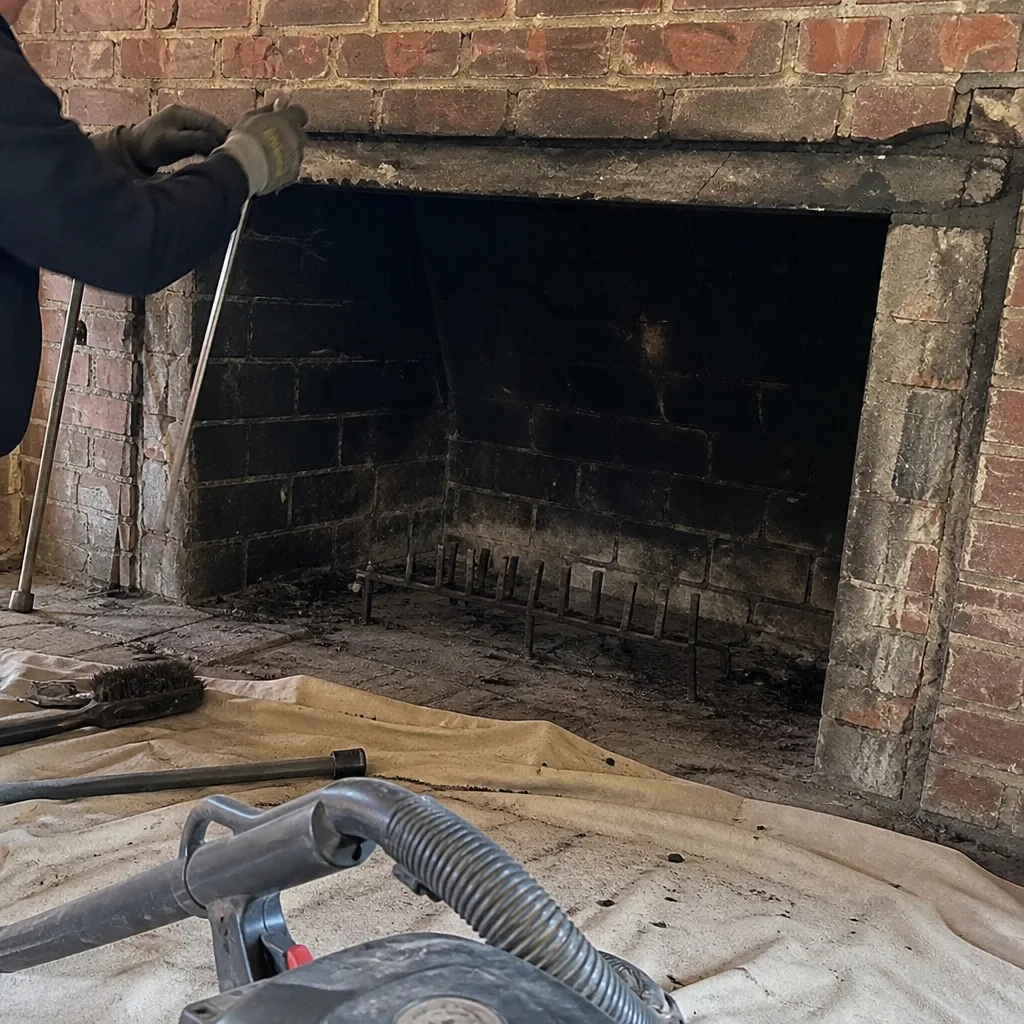 Before
 After
 Before
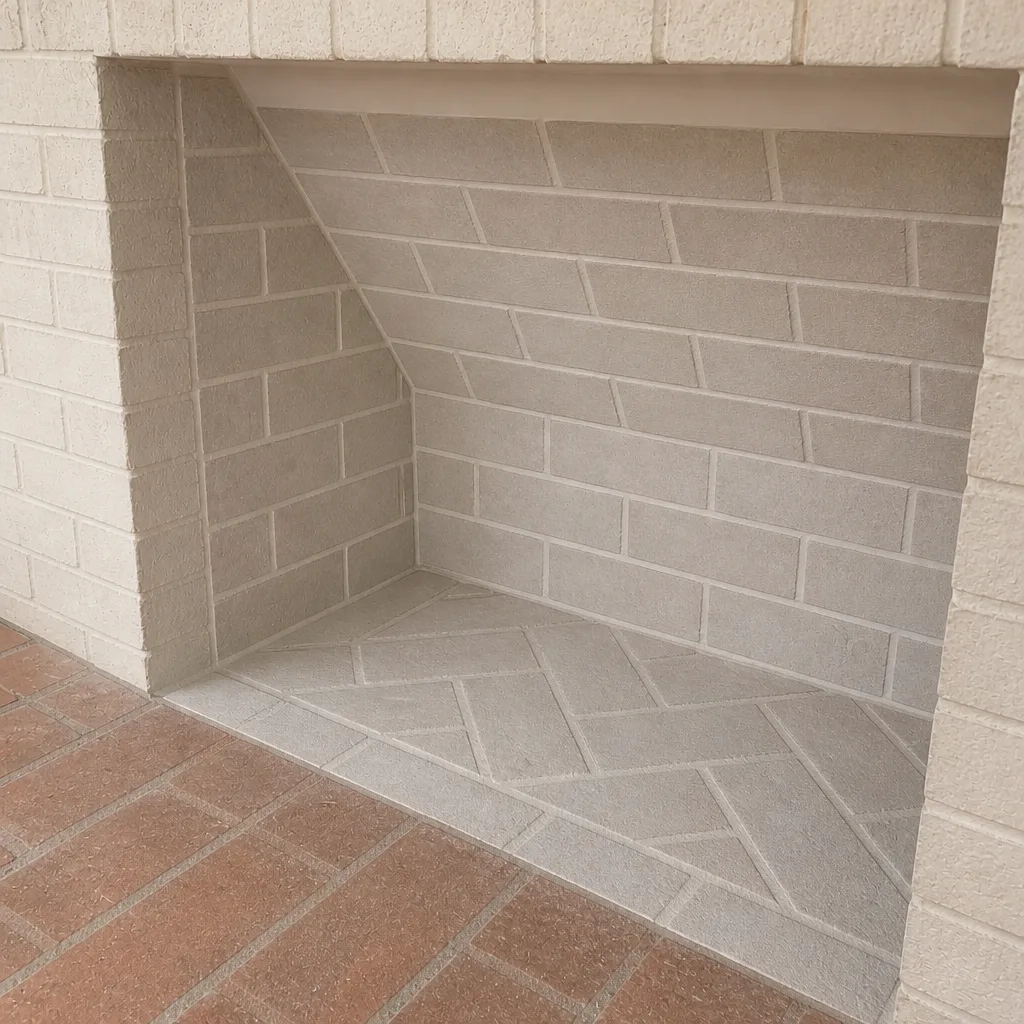 After
When to Call a Professional
Call when you see efflorescence or spalling on the exterior masonry, when the damper won’t seal, when the fireplace smells like a campfire in wet weather, or when you can see dark or glazed creosote above the damper. Call when a fireplace smokes only when exhaust fans run, or when it smokes every time despite a clean flue. Call before the first fire of the season if the chimney hasn’t been inspected in more than a year, and call immediately if you smell gas or see damage to the firebox. Ventura Chimney Cleaning offers free estimates in Ventura. Call (855) 939-0327. We answer 24/7. Fast dispatch from 7am to 7pm, Sunday through Friday.
Frequently Asked Questions
Once a year is the usual baseline for a fireplace that sees regular use, and more often if you burn frequently or notice heavy creosote. In Ventura, where many fireplaces run for ambience rather than heat, a yearly sweep and inspection catches stage 2 creosote before it becomes stage 3. Call (855) 939-0327 for an exact quote. Estimates are free.
Efflorescence means water is moving through the masonry and leaving mineral salts on the surface as it evaporates. It’s a moisture signal, not a stain, and it points to a leak at the crown, cap, flashing or flue tile. It should be investigated before the damage spreads to spalling and loose brick. Call (855) 939-0327 to book an inspection.
The smell is creosote and soot residue in the flue coming back into the room through a damper that isn’t sealing or a smoke chamber that has lost its surface. Wet weather makes it worse by pushing the air down the chimney. It’s a sign the flue needs cleaning and the assembly needs inspection. Call (855) 939-0327 for an exact quote. Estimates are free.
No. A fireplace that smokes only when an exhaust fan runs, or only when the house is sealed up, usually has a pressure problem rather than a creosote problem. A fireplace that smokes every time despite a clean flue needs an inspection for a flue or smoke chamber issue. Call (855) 939-0327 and we’ll help you sort out which.
Often yes. Looking up through the firebox opening with a flashlight shows the lower flue and smoke chamber, where stage 2 crusty deposits and stage 3 glazed tar are visible. If what you see is shiny or tar-like, stop burning and book an inspection. Call (855) 939-0327 for an exact quote. Estimates are free.
We work with homeowners throughout the Ventura area and can talk through your location when you call. The important thing is to get eyes on the chimney before the next burn season. Call (855) 939-0327. We answer 24/7. Fast dispatch from 7am to 7pm, Sunday through Friday.
The Bottom Line
The warning signs that matter most are the quiet ones: efflorescence and spalling on the exterior, a damper that won’t seal, a campfire smell in a closed fireplace, draft problems that only show up when exhaust fans run, and stage 2 or stage 3 creosote visible from the firebox opening. None of them are emergencies on their own, but each one points to something that gets worse with time. In Ventura, a mild wet season and a long dry season make moisture and creosote the two things to watch. Inspect first, recommend second. One company handles the sweep, the repair and the inspection, and the materials come from brands like DuraFlex, Olympia Chimney and Copperfield that chimney specialists trust. If you’ve seen any of these signs, don’t wait for the next burn season. Call (855) 939-0327 for a free estimate. We answer 24/7. Fast dispatch from 7am to 7pm, Sunday through Friday.
Written by the team at Ventura Chimney Cleaning.