
Last updated November 16, 2026
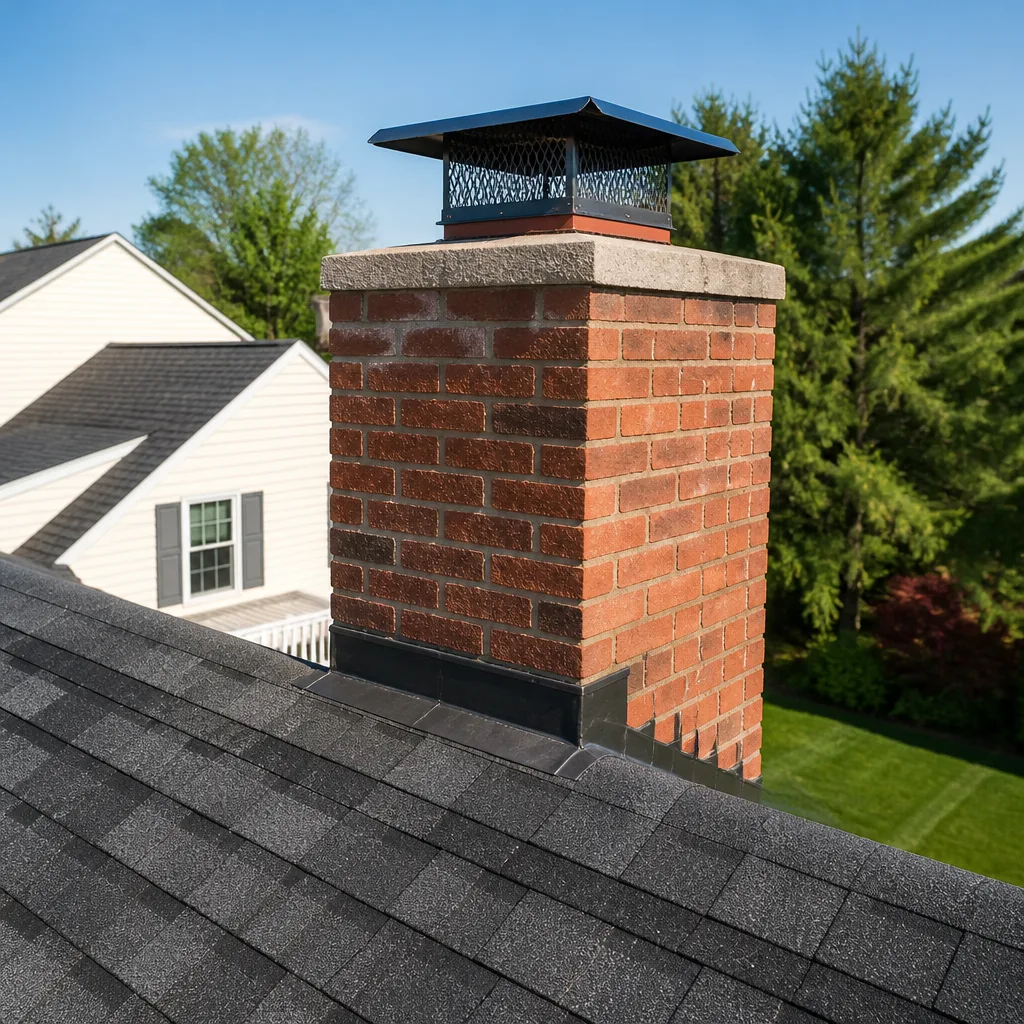 Sweep & inspection
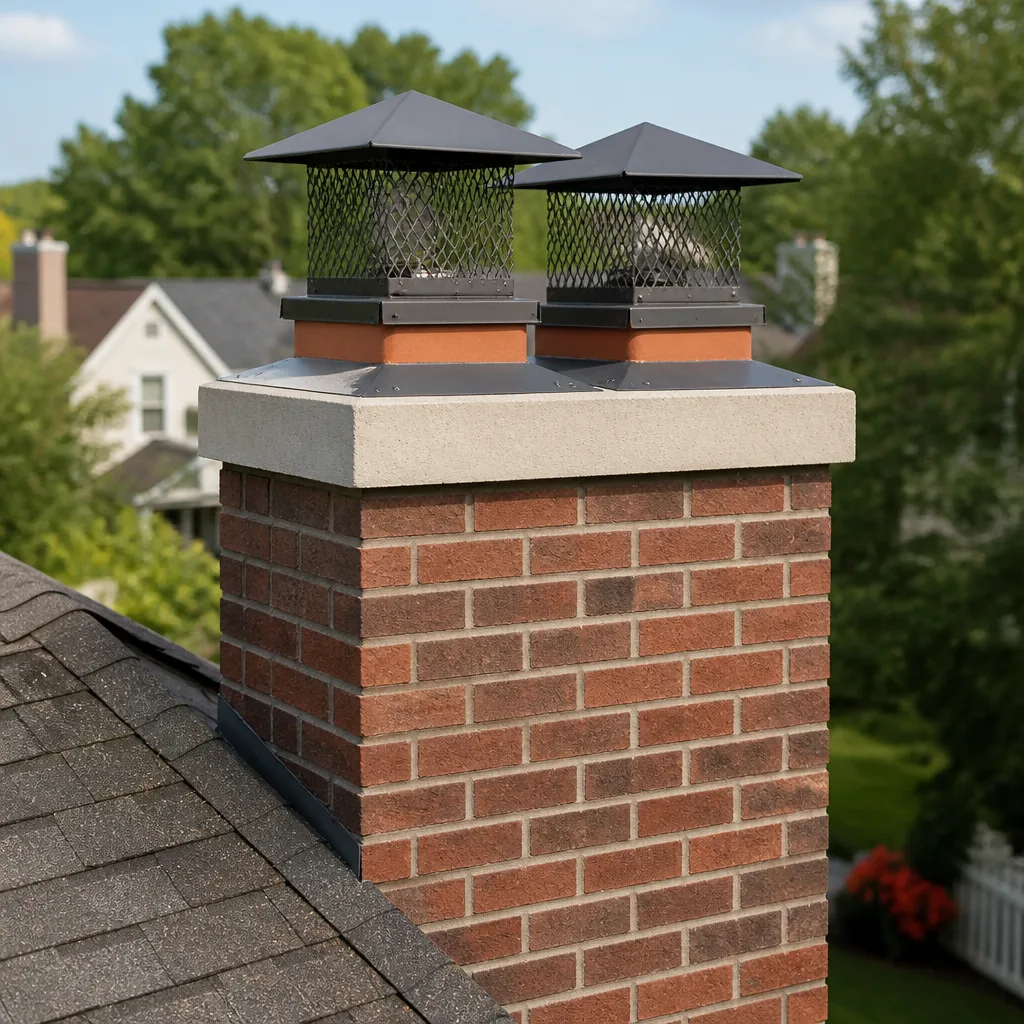 Caps & crowns
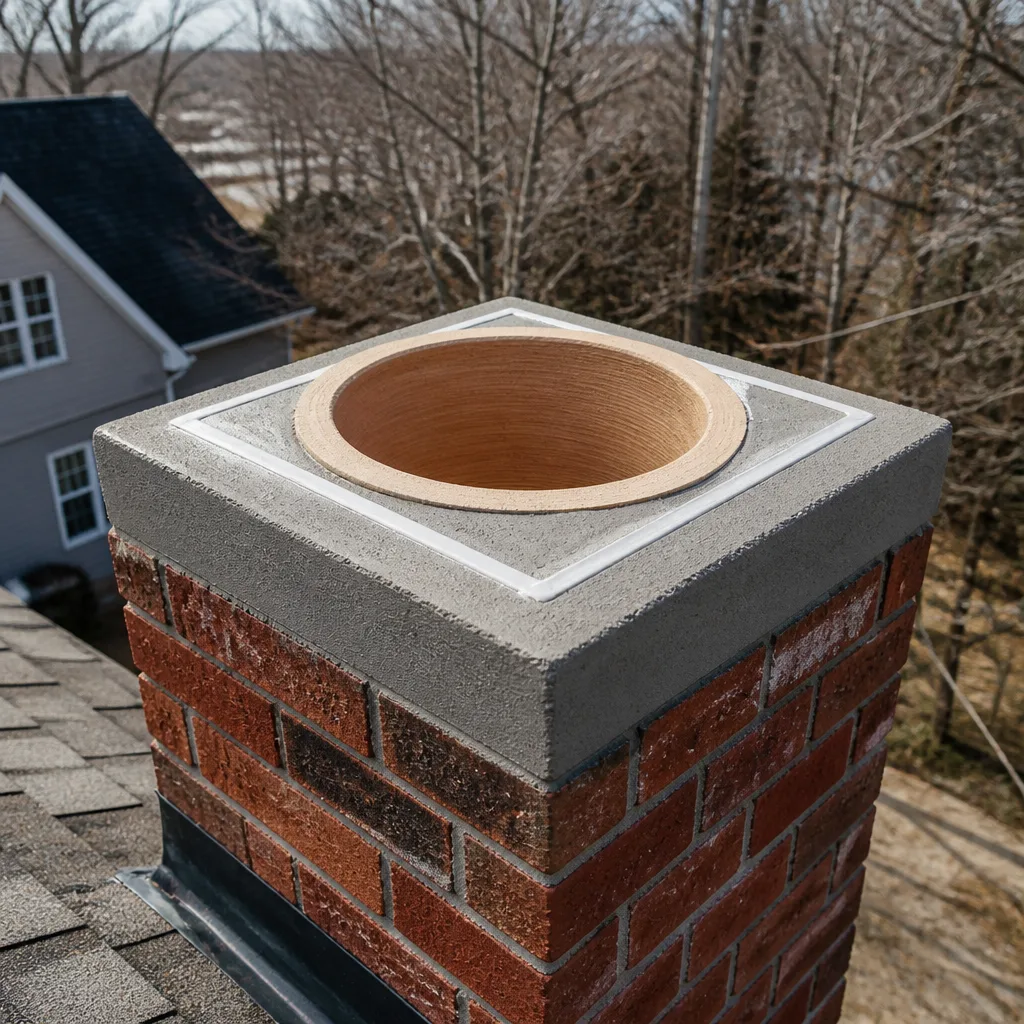 Flue relining
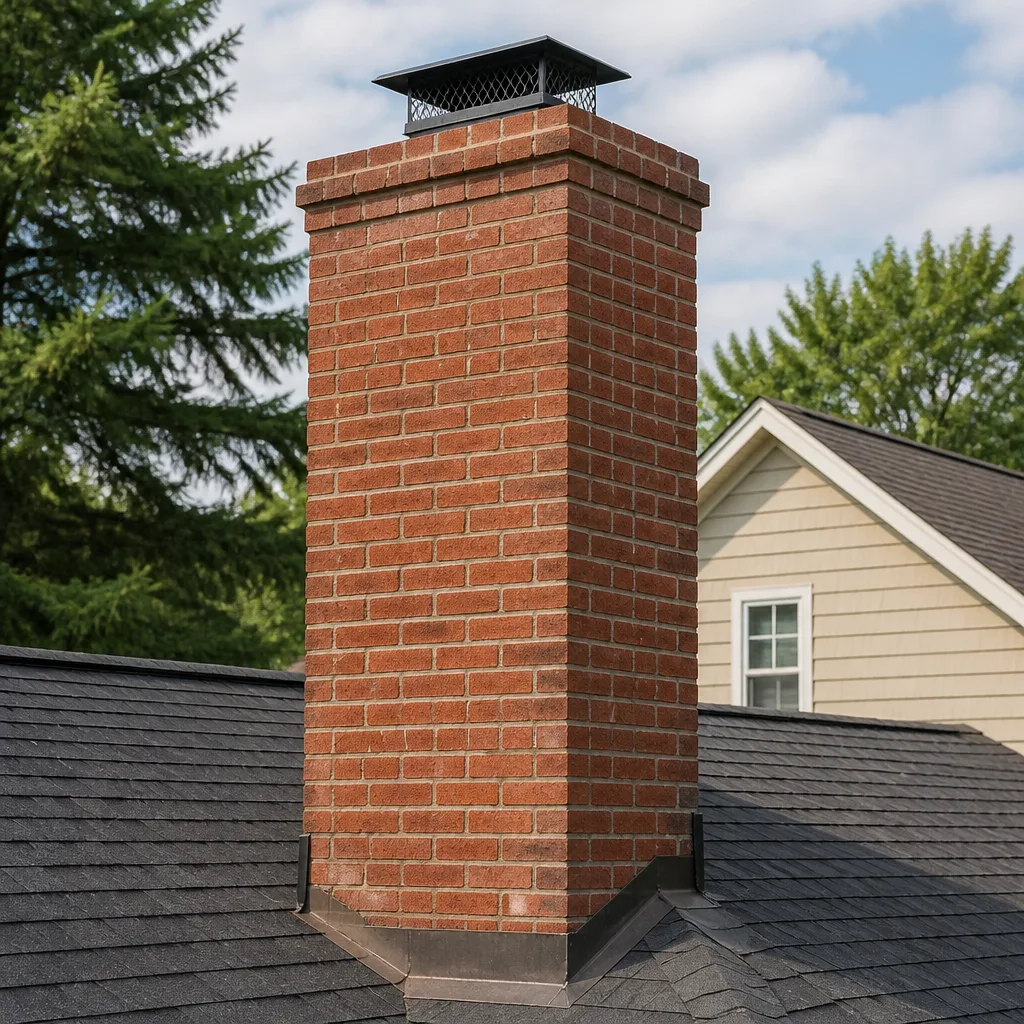 Masonry repair
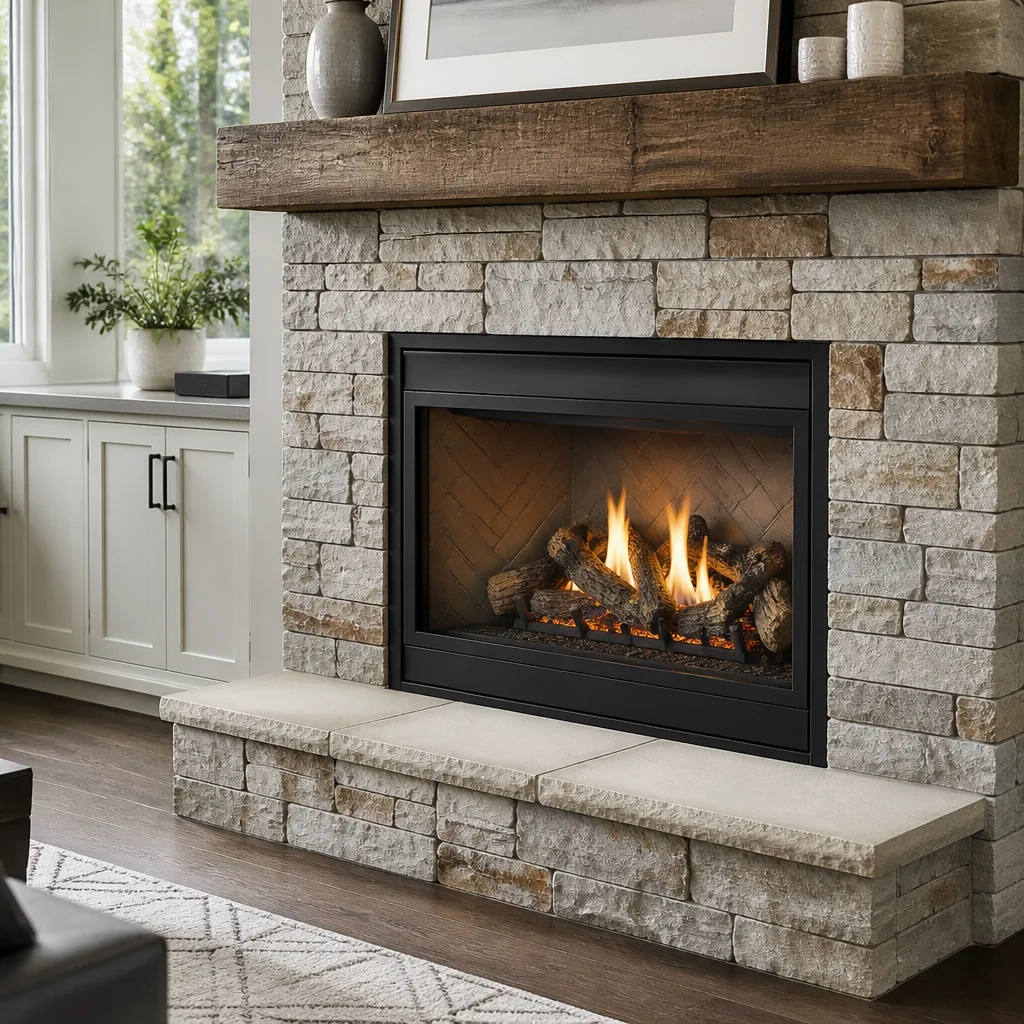 Gas fireplace service
Level 1 sweep and inspection to the NFPA 211 annual standard - flue, crown, cap, and flashing checked and photographed
Chimney sweep logs do not sweep chimneys. They loosen some creosote - which then falls where a brush and vacuum still have to collect it.
Chimney Sweep Maintenance Schedule: What to Do and When
The standard advice you’ll hear is “sweep your chimney once a year,” and for a lot of homes that’s fine. But it’s not a maintenance schedule. It’s a guess. The right calendar depends on what you burn, how often you burn it, and how your particular flue is built. A wood stove running hard all winter needs attention on a different rhythm than a gas log set you light for holiday evenings. In this guide we break down maintenance intervals by appliance type, map a practical calendar onto Ventura’s burn season and wet season, and cover the between-visit checks you can safely do yourself. You’ll finish knowing exactly when your chimney needs a sweep, when it needs an inspection, and when it can wait.
Quick Answer
Sweep and inspect a wood-burning fireplace or wood stove once a year, ideally before the heating season starts, and add a mid-season inspection if you burn more than two cords of wood a year. Vented gas log sets and gas inserts need an annual inspection but usually need cleaning far less often. Pellet stoves need the flue and vent cleaned once a year and the appliance itself serviced per the manufacturer’s schedule. Any chimney that has had a chimney fire, a storm impact, or a change in how it performs should be inspected right away, whatever the calendar says.
Styles & brands we work with
- Sweep & inspection
- Caps & crowns
- Flue relining
- Masonry repair
- Gas fireplace service
Table of Contents
- Maintenance Schedule by Appliance Type
- A Practical Ventura Calendar: Burn Season and Wet Season
- The Two-Cord Threshold Rule
- What to Check Yourself Between Professional Visits
- Why Gas Fireplace Owners Skip Maintenance (and Shouldn’t)
- Inspection vs. Sweep: What’s the Difference?
- Signs Your Chimney Needs Service Now
Maintenance Schedule by Appliance Type
The single annual sweep is the right answer for an open wood-burning fireplace used a few nights a week through the cooler months. It’s completely wrong for a wood stove insert running as a primary heat source, and it’s overkill for a decorative gas log set. Here’s how the cadence breaks down by what’s actually connected to your flue.
Open wood-burning fireplace
This is the classic case. Annual sweeping and a Level 1 inspection before the burn season begins. The open firebox loses a lot of heat up the flue and produces creosote steadily, so a yearly sweep keeps deposits from building to a dangerous thickness. If you burn frequently through the winter, plan on the sweep happening in late summer or early fall.
Wood stove insert
Inserts burn hotter and more efficiently than an open fireplace, which sounds like less creosote, but a hot, restricted flue can still accumulate glazed creosote that’s harder to remove. Inspect annually, and sweep based on what the inspection finds. Homes that heat primarily with a wood stove often need more than one cleaning a year. This is the appliance type where a fixed calendar matters least and inspection findings matter most.
Gas log set and vented gas insert
Gas doesn’t produce creosote, so the cleaning interval is longer. But the vented system still needs an annual inspection. What degrades is not the firebox itself but the venting, the connections, and the surrounding structure. More on that below.
Pellet stove
Pellet appliances need the flue and venting cleaned once a year, plus regular servicing of the appliance itself according to the manufacturer’s instructions. Pellet ash is fine and travels, so the venting can clog in ways wood smoke doesn’t cause. Don’t lump a pellet stove into a wood fireplace schedule.
Whichever appliance you run, the pattern is the same: Ventura Chimney Cleaning inspects first and recommends second. That way the schedule you follow is based on your chimney, not a generic rule.
A Practical Ventura Calendar: Burn Season and Wet Season
Timing your sweep is less about convenience and more about beating the weather that makes chimney work harder. Ventura has two seasons that matter for a chimney owner: a long dry stretch and a cooler, wetter stretch when the fireplace actually gets used. The ideal window to sweep sits in the gap between them, before the first real rain and before you start lighting fires regularly.
Here’s how we’d map the year for a typical Ventura homeowner:
- Late summer into early fall: Book your annual sweep and inspection now. The chimney is dry, the burn season hasn’t started, and any repair work the inspection turns up can be done before you need the fireplace.
- First rains: This is when a neglected crown or flashing shows itself. Water finds weak spots fast. If you see dampness in the firebox or staining on the exterior, that moves you to the front of the line for an inspection.
- Peak burn season: Use the fireplace. Check the flue and damper visually, and pay attention to how the fire draws.
- Mid-season, if you burn heavily: A mid-season inspection for high-use homes. See the two-cord rule below.
- End of burn season: A good time for a second look if you noticed smoke issues, a change in draft, or odd smells. It’s also the moment to catch storm damage before it sits for months.
The rainier months are the reason roof-level components matter so much in Ventura. A crown, cap, or flashing that’s fine in July can leak by January. If water is getting in, that’s a repair question, and our chimney repair work exists for exactly that.
The Two-Cord Threshold Rule
How much wood you burn is the variable that most changes your maintenance schedule, and it’s the one nobody measures. Here’s a rule that’s easy to apply: if you burn more than two cords of wood in a season, add a mid-season inspection regardless of when your last sweep happened.
Two cords is a substantial amount of wood. A home that burns that much is running the fireplace or stove as real heat, not as ambiance, and that volume of smoke means that volume of creosote. The annual sweep catches the buildup at the end of a season. A mid-season inspection catches it while it’s still building. The point isn’t to create extra work; it’s to catch a problem before it becomes expensive.
How do you know if you’re over the threshold?
- If you’re buying wood by the cord and going through more than two, you’re in high-use territory.
- If you’re feeding the fire daily through the cooler months, assume high use even if you’ve never measured it.
- If you run both a fireplace and a wood stove, count both.
If you’re not sure, describe your usage when you book. A good inspection will tell you what the flue actually looks like and what your schedule should be. The chimney sweep service we provide includes a look that tells you whether you’re a once-a-year home or a twice-a-year home. That answer is worth knowing.
What to Check Yourself Between Professional Visits
You don’t need to get on the roof and you don’t need tools to stay ahead of chimney problems. A few simple visual and functional checks between visits can catch the issues that a schedule review would otherwise miss. What follows are things a homeowner can safely look at from the ground or from inside the house, not tasks that require climbing, opening, or reaching into the flue.
- Cap and crown visual check after storms. From the ground, look at the top of the chimney. Is the cap still sitting level? Is there anything visibly damaged or displaced? A windstorm can move a cap or open a seam, and water gets in through that gap until it’s caught.
- Damper function test. Reach into the firebox and work the damper by hand through its full range. It should open and close smoothly. A damper that sticks or doesn’t sit flush is a sign to have the system looked at.
- Smoke chamber spot check. With a flashlight and the damper open, look up into the smoke chamber. You’re looking for obvious creosote buildup, cracks, or anything loose. You’re not trying to clean anything; you’re looking for reasons to call.
- Check for water intrusion. Look for staining or dampness inside the firebox, on the firebox walls, and around the flue. Water where it shouldn’t be is a repair issue.
- Watch how the fire draws. If smoke rolls out into the room instead of going up, or if the fireplace behaves differently than it used to, that’s a signal something changed. Stop using it and get it inspected.
One caution: the dangerous parts of a chimney live up the flue and on the roof. Don’t climb up there to “take a quick look.” That’s what the professionals are for, and the Ventura roof access that’s easy for a trained technician is not easy for a homeowner on a ladder.
Why Gas Fireplace Owners Skip Maintenance (and Shouldn’t)
Here’s a pattern we see all the time: a homeowner has a vented gas log set, reasons that “it’s gas, so there’s no creosote,” and never has the system looked at. The reasoning is half right. The conclusion is wrong. Vented gas fireplaces don’t accumulate creosote the way wood does, but that doesn’t mean nothing degrades.
What actually happens to a vented gas system over time:
- The venting can corrode or loosen. Combustion byproducts are acidic, and the venting that carries them out can deteriorate over years, especially if moisture is involved.
- The connections need checking. Gas connections and the surrounding components should be looked at by someone trained to inspect them. This is not a DIY check.
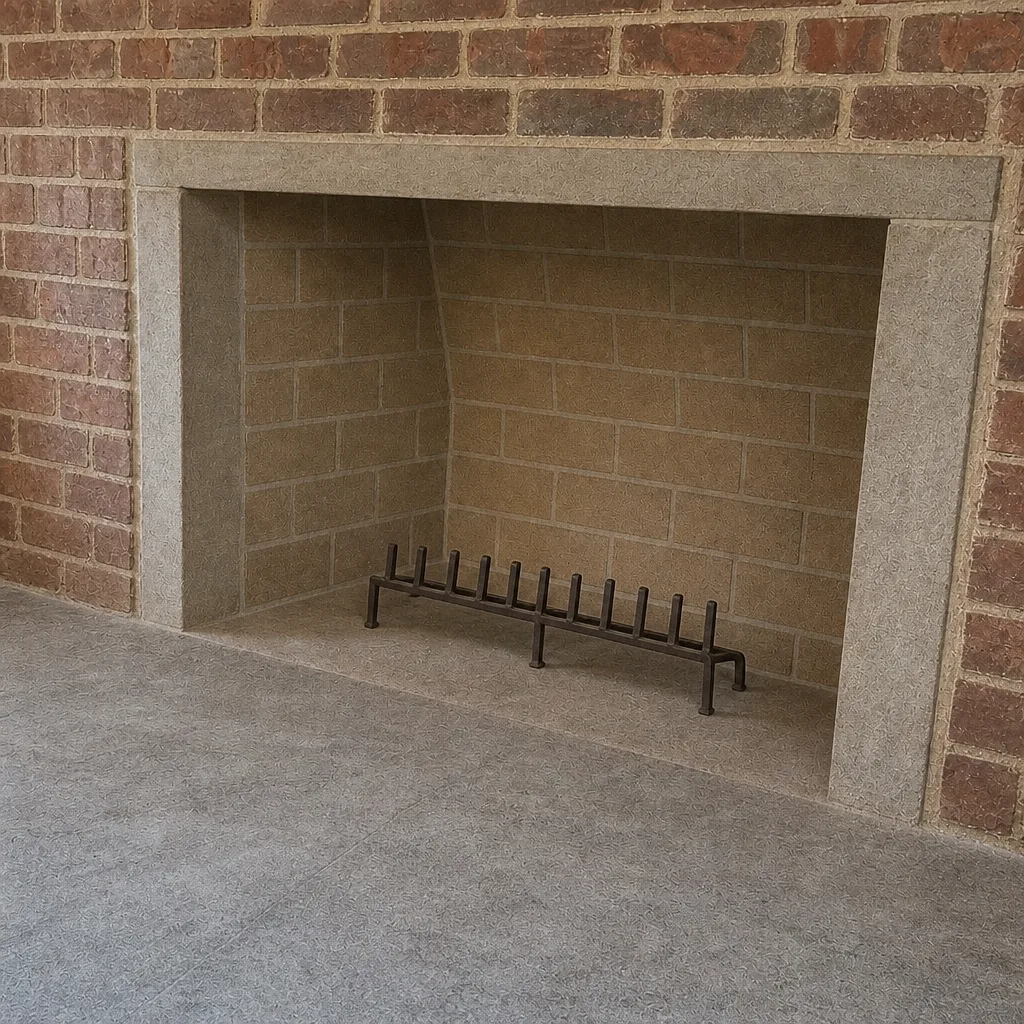
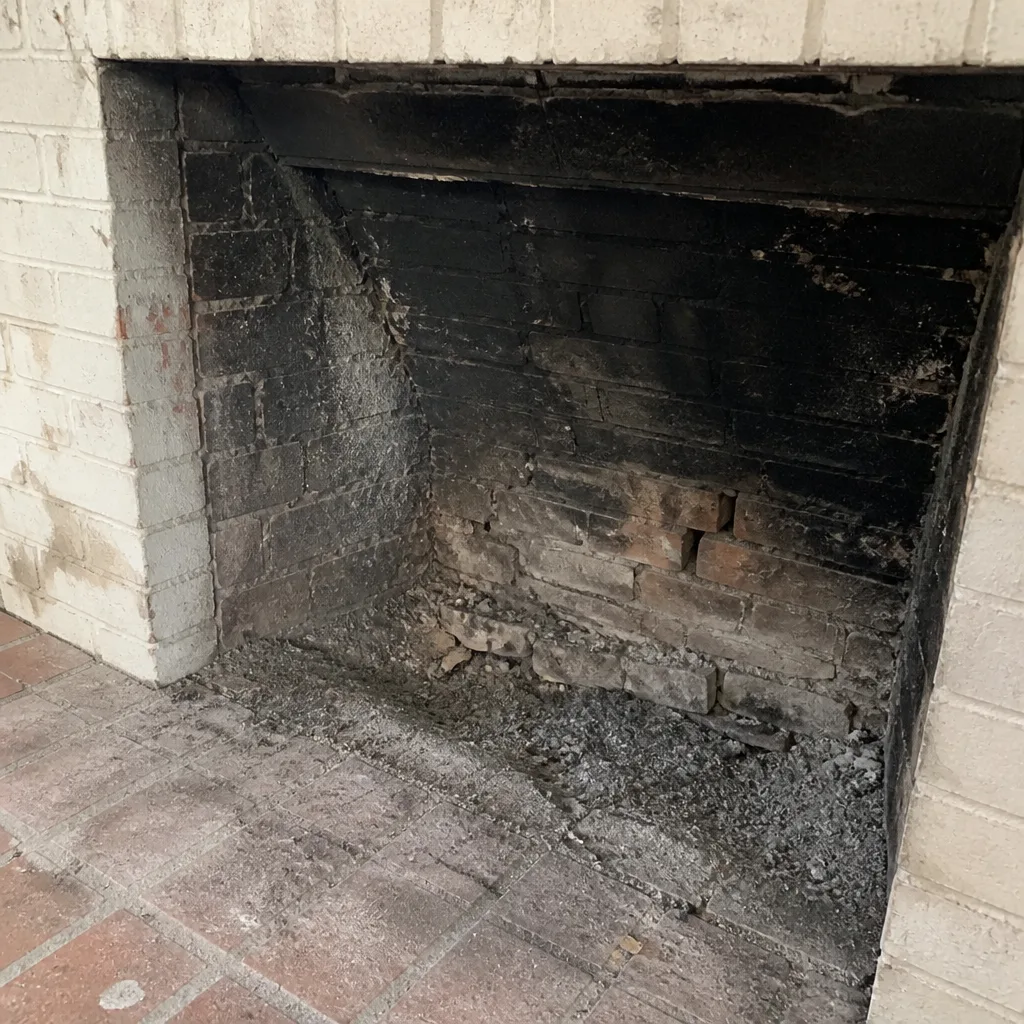
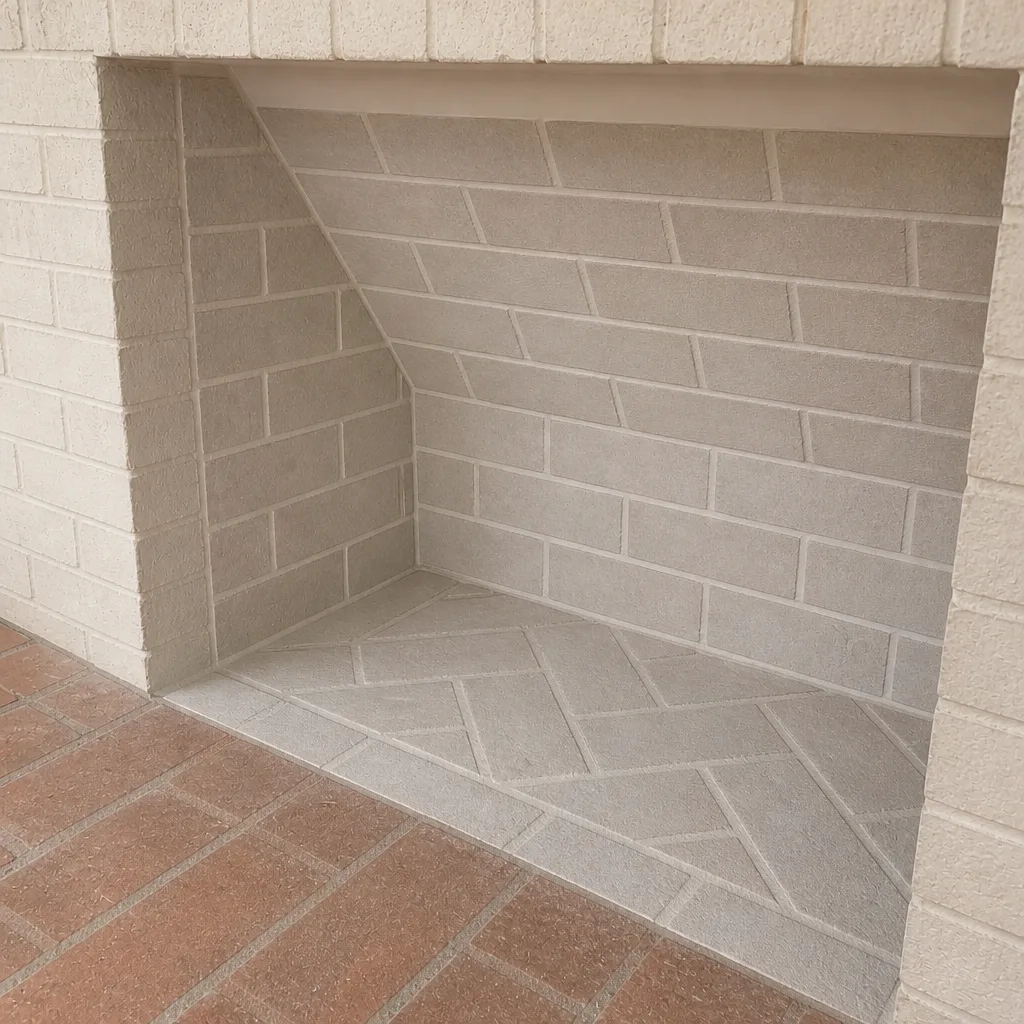
- The firebox can crack or spall. Even a decorative gas firebox can develop cracks in the refractory material over time. Those cracks need professional repair, and firebox restoration is exactly what HeatShield materials are designed for.
- Dust and debris settle in. A gas fireplace that runs regularly pulls in air and settles fine dust in the firebox and around the venting. That’s not creosote, but it’s worth cleaning.
- The venting can draw wrong. If the vent is blocked or damaged, combustion products don’t leave the way they should. Annual inspection is how you catch that before it matters.
The upshot: gas systems need an inspection on the same annual rhythm as wood, even if the cleaning interval is longer. If a firebox or flue needs restoring after inspection, our team in Ventura handles that work in-house. That’s why it’s worth mentioning that we carry professional-grade materials from lines like HeatShield, DuraFlex, Olympia Chimney, and Copperfield, the same kinds of materials used by chimney professionals who do this work daily. The right liner and the right firebox repair, done once.
Inspection vs. Sweep: What’s the Difference?
People use the words interchangeably, and they’re not. A sweep cleans the flue; an inspection evaluates the whole system. They’re often done together, and they aren’t the same task. Understanding the difference is how you get the right service on your schedule instead of a bundled product you didn’t ask for.
Here’s how the two differ in practice:
- A sweep removes creosote, soot, and debris from the flue, firebox, and smoke chamber. Its purpose is to get the chimney clean and clear.
- An inspection is a condition assessment. It looks at the flue lining, the firebox, the crown and cap, the venting, and the surrounding structure, and tells you what shape the system is in and what, if anything, needs repair.
Inspection comes first. If we start every relationship with an inspection, we can tell you what your chimney actually needs, which may be a sweep today and a repair later, or may be nothing at all for now. That’s why we offer inspection as a standalone service rather than a checkbox before cleaning. If your system has been evaluated and you want the cleaning done, it’s a single company that handles both.
If an inspection turns up damage to the firebox or flue lining, that’s repair work, and it’s what separates us from a sweep-only operation. We’re equipped for that kind of restoration because it’s a core part of what a chimney specialist does.
Signs Your Chimney Needs Service Now
Some chimney problems run on a schedule. Others announce themselves. If any of the following is true for your home, don’t wait for the calendar. Get it looked at now.
- You’ve had a chimney fire. Even a small one can damage the flue lining in ways you can’t see. An inspection is the only way to know.
- Smoke enters the room when you light a fire. This is a change in draft, and it can mean the flue is blocked or damaged.
- You notice water or staining inside the firebox. Water intrusion points to a failed crown, cap, or flashing.
- There’s a strong or persistent smell from the fireplace. It can indicate creosote buildup or a drafting problem.
- The damper won’t close or open smoothly. Something in the system has shifted.
- You’ve had a storm with high wind or hail. Even a quick glance up can set your mind at ease, but a proper inspection is how you know the cap and crown are intact.
- The firebox has visible cracks. That’s a repair, not a sweep.
- You’ve bought a home and don’t know the chimney’s history. Start with an inspection so you have a baseline.
Any of those, and the next step is the same: call (855) 939-0327. We answer 24/7. Fast dispatch from 7am to 7pm, Sunday through Friday.
See the difference
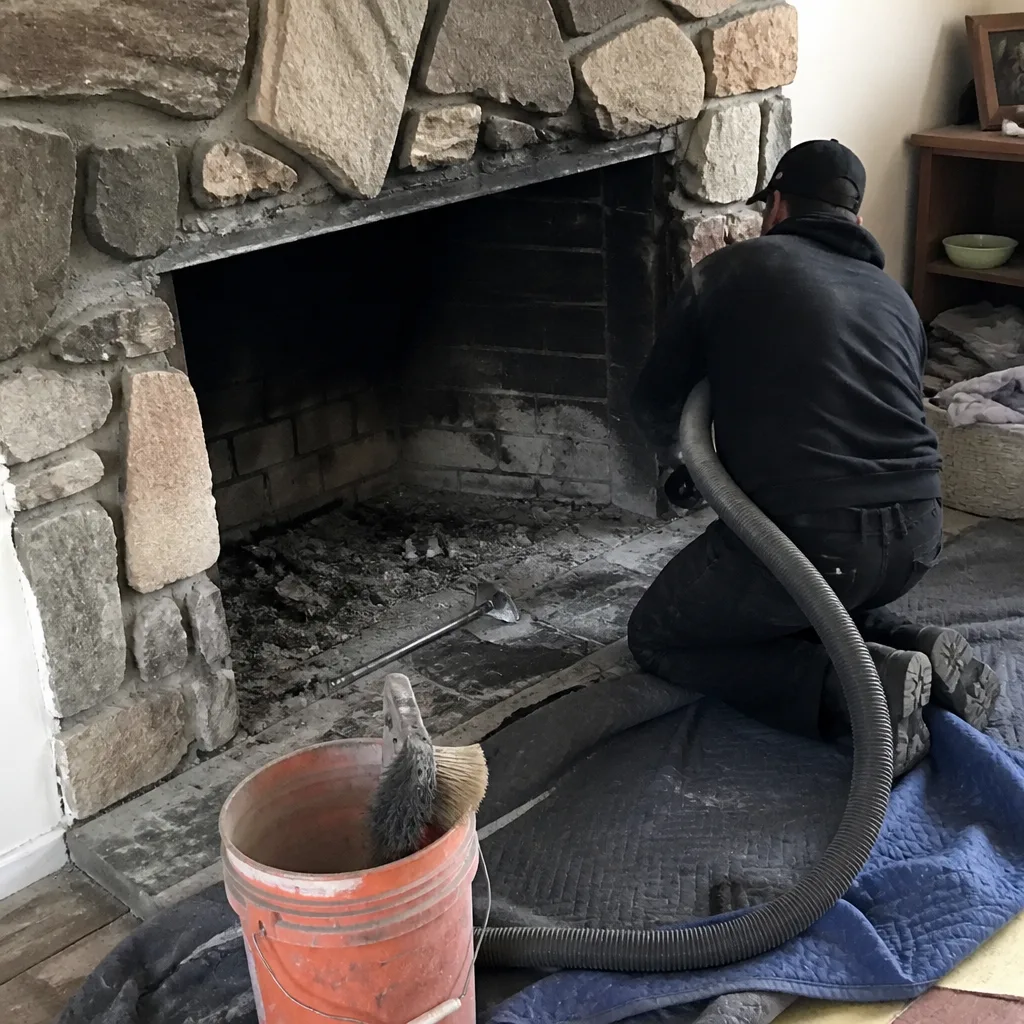 Before
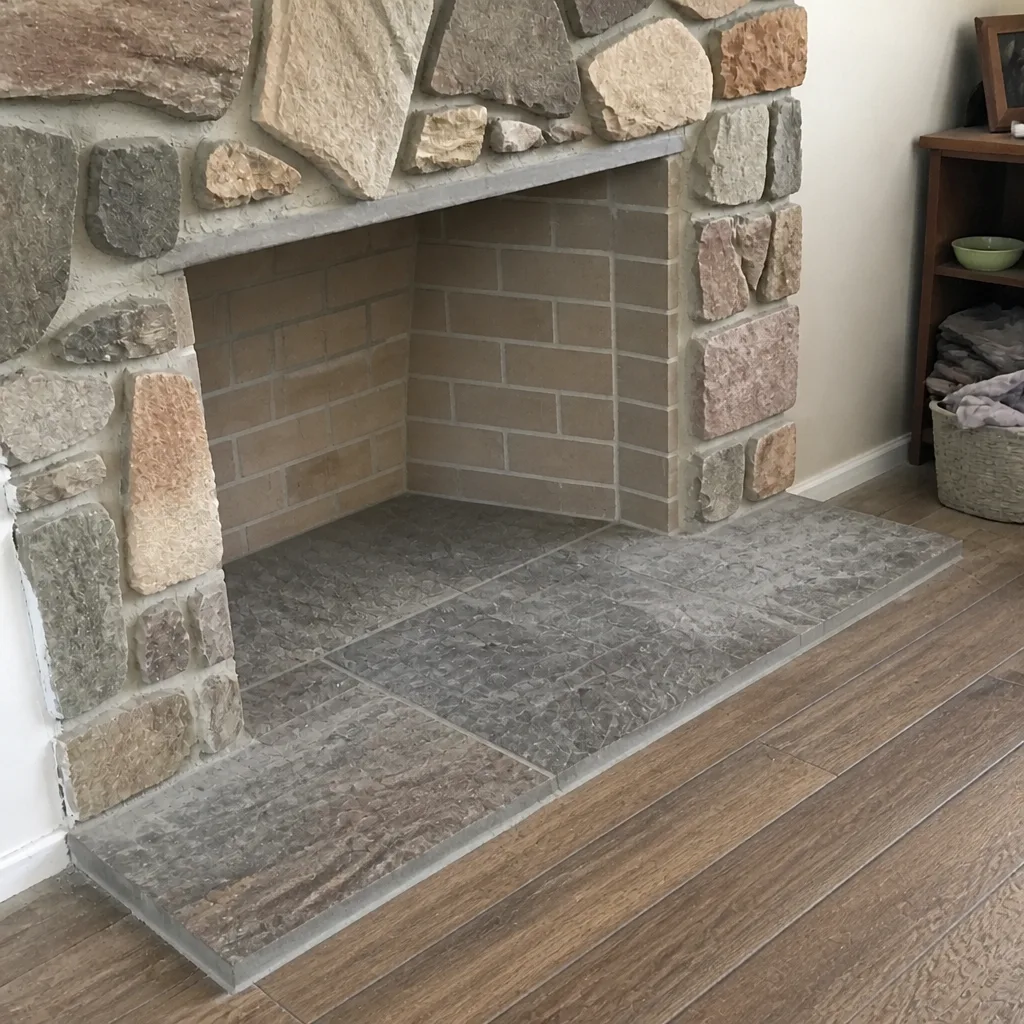 After
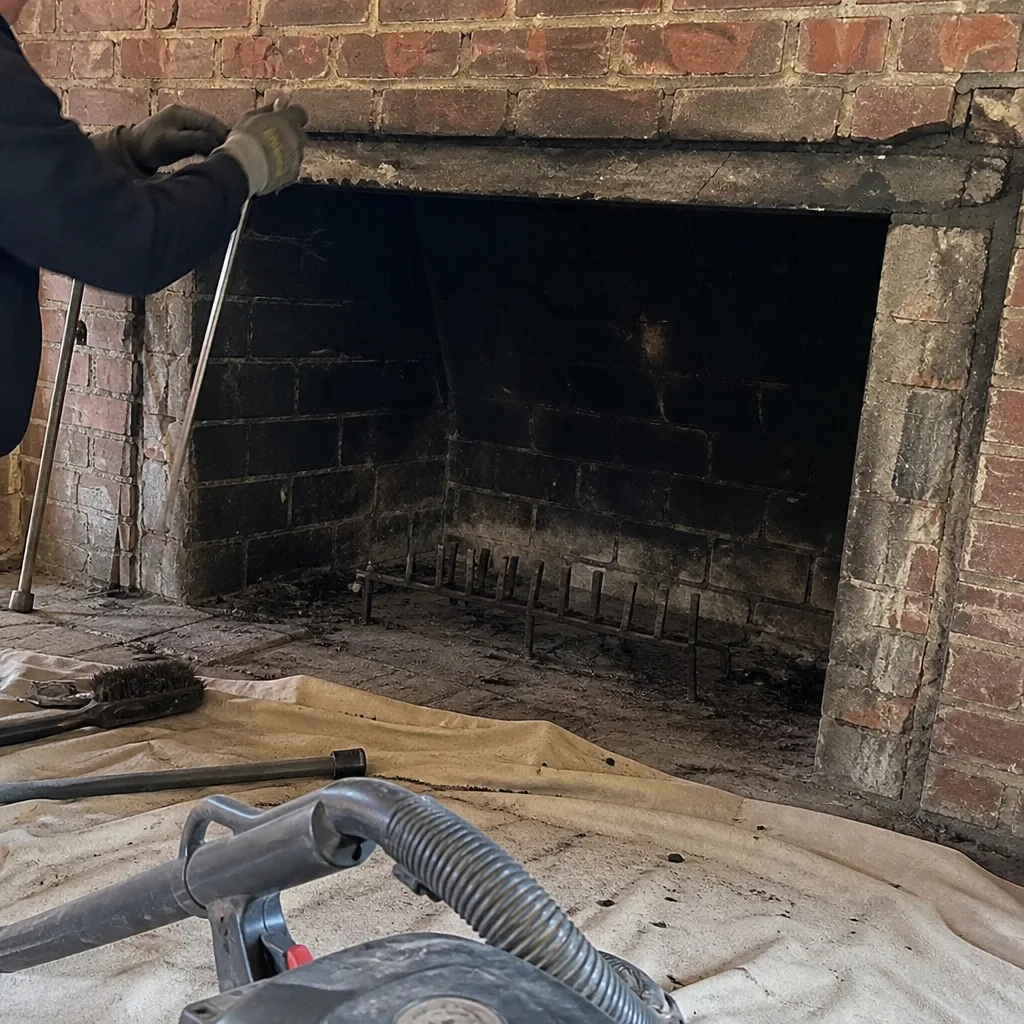 Before
 After
 Before
 After
Common Mistakes to Avoid
- Following a single annual sweep for every appliance. A fireplace used a few nights a week and a wood stove used for heat need different schedules. Match the cadence to the appliance.
- Skipping inspection because “it’s gas.” Gas systems don’t make creosote, but venting, connections, and firebox materials still degrade. Annual inspection catches it.
- Timing the sweep for the first cold week. That’s the worst week to need a sweep. Book before the burn season, while the schedule is open and the work can be done before you need the fireplace.
- Putting off the sweep “until you smell creosote.” By the time it smells, it’s already built up. The sweep is preventive, not reactive.
- Climbing on the roof to “just check it.” The dangerous parts are up there, and ladder work around a chimney is not a homeowner task. Leave it to trained technicians.
- Burning paper, cardboard, or trash. It produces flue deposits that don’t sweep out the same way wood creosote does. Burn clean, dry wood only.
- Hiring a generalist to sweep the chimney. A chimney specialist does one trade. Generalist operations squeeze it in among other jobs, and the findings and repairs aren’t the same.
When to Call a Professional
You should call a professional if any of the signs above apply, if it’s been more than a year since your last inspection, if you’ve recently bought the home and don’t know the chimney’s history, or if you’ve changed how you use the fireplace, from occasional use to regular heat. You should also call if a storm has moved anything on the roof, or if you want a condition report before deciding whether to clean or repair anything.
Ventura Chimney Cleaning offers free estimates in Ventura. Call (855) 939-0327. We answer 24/7, and fast dispatch from 7am to 7pm, Sunday through Friday.
Frequently Asked Questions
Once a year for a wood-burning fireplace used regularly. Wood stoves used as primary heat often need it more often, and gas systems usually need cleaning less often but still need an annual inspection. The schedule depends on fuel type and how much you burn. Call (855) 939-0327 for an exact quote – estimates are free.
Yes. A vented gas fireplace or log set needs an annual inspection even though it doesn’t produce creosote. The venting, connections, and firebox materials degrade over time, and inspection is how that gets caught. Call (855) 939-0327 for an exact quote – estimates are free.
Before the burn season, ideally late summer or early fall. The chimney is dry, the schedule is open, and any repair work the inspection turns up can be done before you start using the fireplace regularly. Call (855) 939-0327 for an exact quote – estimates are free.
You usually can’t tell from the ground. A trained technician looking inside the flue is the reliable way to know whether buildup is safe or needs sweeping. Call (855) 939-0327 for an exact quote – estimates are free.
If it’s been more than a year, yes. Low use reduces the frequency of cleaning, not the need for an inspection. Inspection tells you what shape the system is in and whether anything needs attention. Call (855) 939-0327 for an exact quote – estimates are free.
It can with us, because sweep, repair, and inspection are all handled in-house. If the inspection turns up damage, the repair happens with the same team. Call (855) 939-0327 for an exact quote – estimates are free.
The Bottom Line
The right maintenance schedule is the one that matches your chimney, not a generic yearly reminder. Wood-burning fireplaces and wood stoves need annual sweeping and inspection, high-use wood stoves need a mid-season look, and gas and pellet systems need annual inspection even where cleaning is less frequent. Time the work before the burn season, watch your wood use against the two-cord threshold, and do the simple visual checks in between. When the calendar says it’s time, or when something changes, call a chimney specialist rather than a generalist.
Ready to get your chimney on a schedule that fits your home? Call (855) 939-0327 or book a sweep today. Our technicians have up to 11 years of experience with professional-grade materials and a specialty focus on chimney work alone. Sweep. Repair. Inspect. One company, one call.
Written by the team at Ventura Chimney Cleaning.