
Last updated November 16, 2026
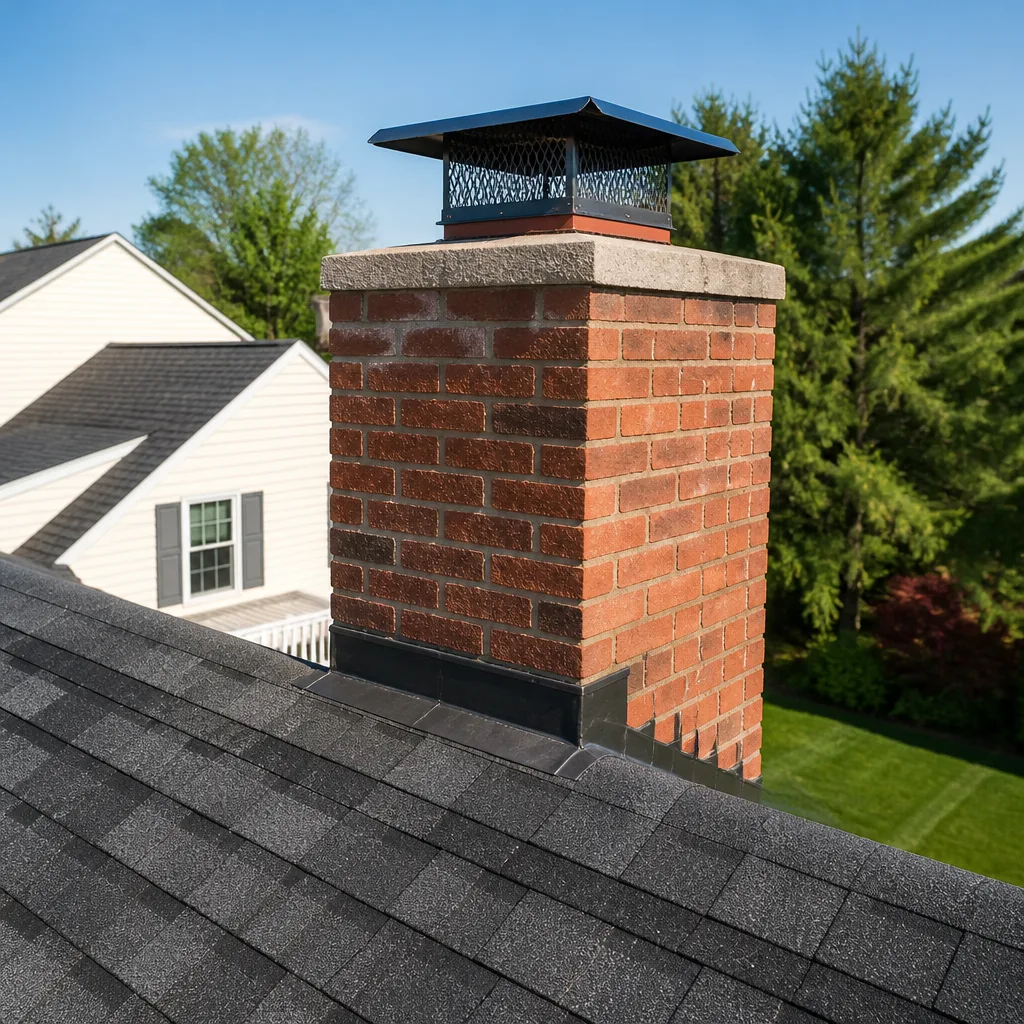 Sweep & inspection
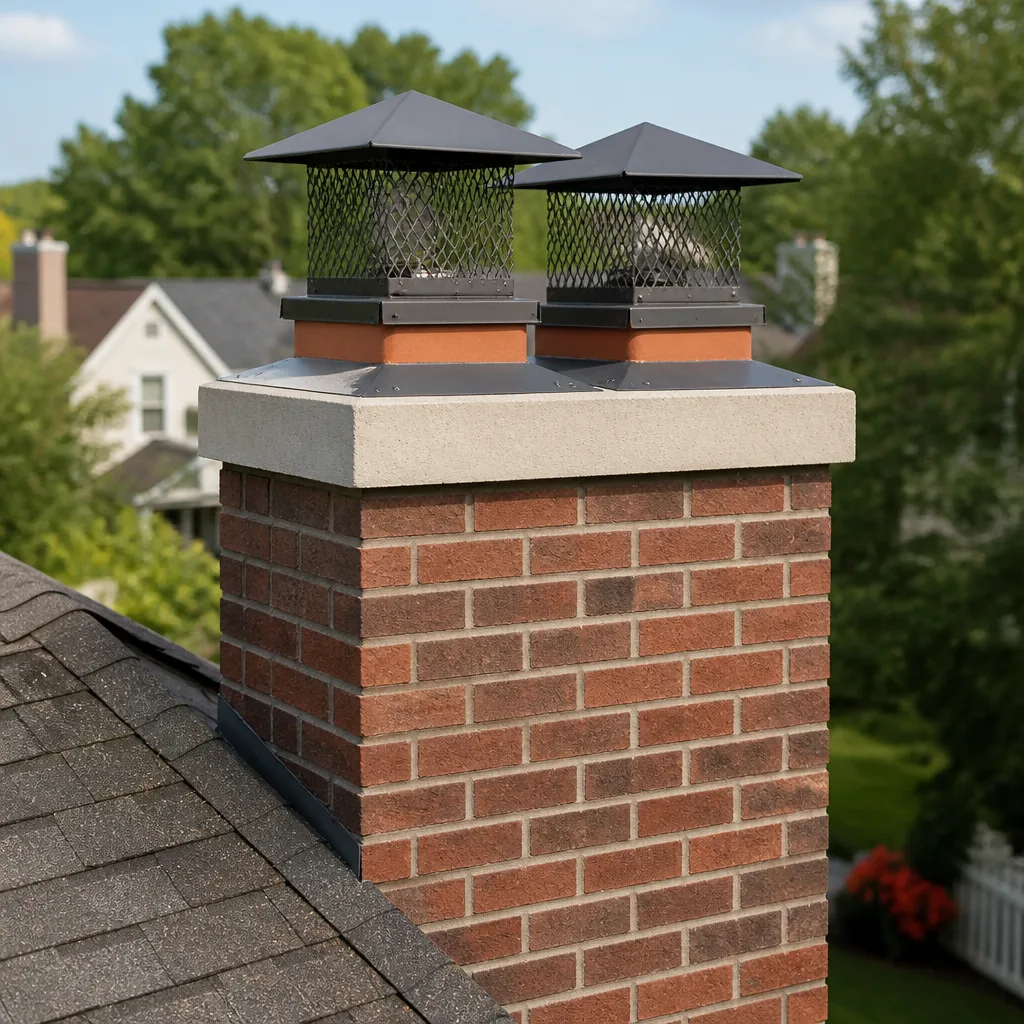 Caps & crowns
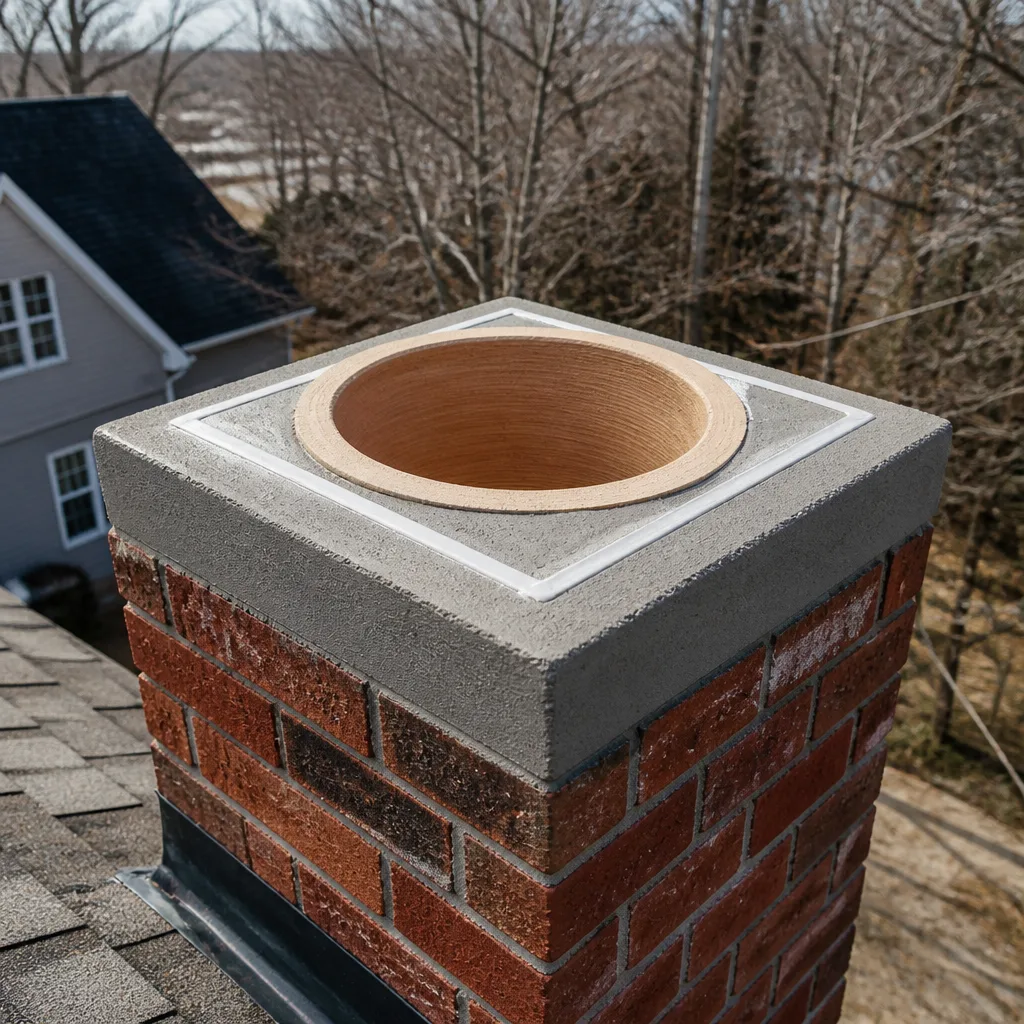 Flue relining
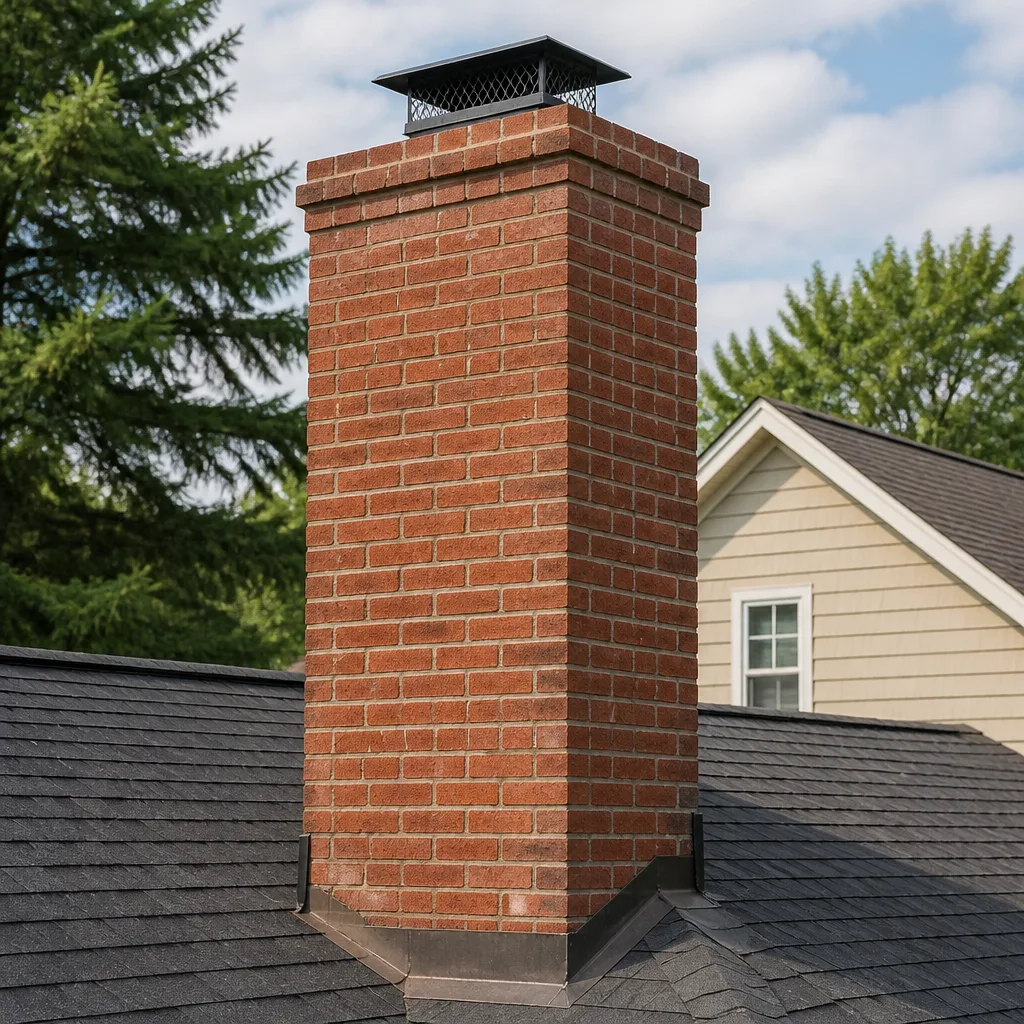 Masonry repair
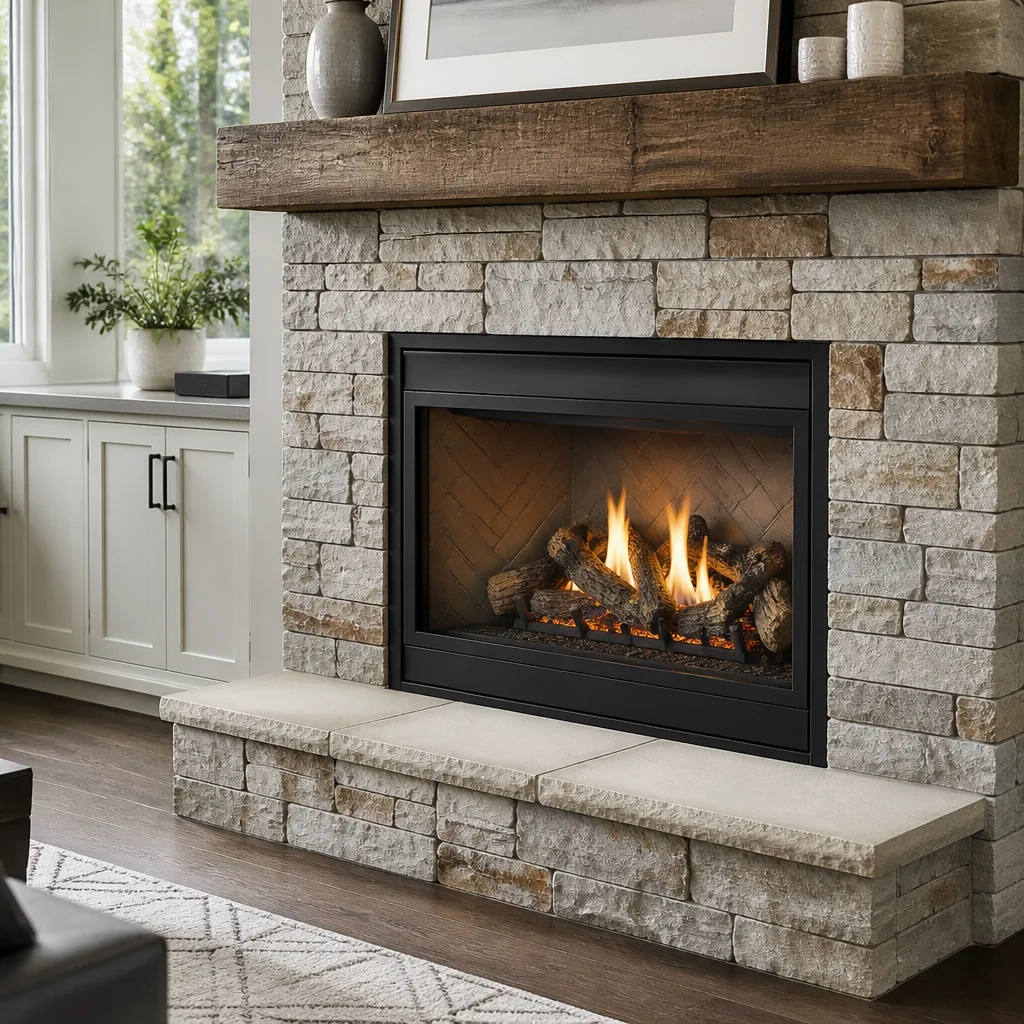 Gas fireplace service
Level 1 sweep and inspection to the NFPA 211 annual standard - flue, crown, cap, and flashing checked and photographed
Chimney sweep logs do not sweep chimneys. They loosen some creosote - which then falls where a brush and vacuum still have to collect it.
Choosing the Right Chimney Cleaning Brand: A Buyer’s Guide for Ventura
Two chimney crowns can look identical the day they’re applied and perform completely differently five years later. The difference is usually the product: whether the technician reached for a professional-grade elastomeric compound or a hardware-store patch mix that was never meant to sit on a chimney in Ventura’s climate. Most homeowners never think about what goes into their chimney repairs. The brand of flue sealant, chimney cap, or liner system has a direct effect on how long the repair holds. This guide covers which product suppliers chimney specialists actually trust, why coastal conditions change the specification, and how to ask a contractor the questions that reveal whether they know what they’re doing.
Quick Answer
The right chimney cleaning and repair brands in Ventura are professional-grade suppliers like HeatShield, Olympia Chimney, DuraFlex, Gelco, Famco, and Copperfield, chosen for the specific job: HeatShield for firebox and flue restoration, DuraFlex and Olympia for stainless liner systems, Gelco and Famco and Copperfield for caps, sealants, and accessories. A contractor who can name the product and explain why it fits the job is a contractor worth hiring.
Styles & brands we work with
- Sweep & inspection
- Caps & crowns
- Flue relining
- Masonry repair
- Gas fireplace service
Table of Contents
- Why the Brand Behind the Repair Matters More Than the Repair Itself
- The Suppliers Chimney Professionals Actually Use
- How Ventura’s Climate Shapes Product Specifications
- Stainless Steel vs. Galvanized Chimney Caps: What Lasts Here
- How to Ask a Contractor What Brand They Use
- Warranty Terms and What a Real Workmanship Guarantee Covers
- Inspect First, Recommend Second: The Honest Starting Point
- Common Mistakes to Avoid
Why the Brand Behind the Repair Matters More Than the Repair Itself
A chimney crown is a slab of material at the top of the chimney that sheds water away from the flue. Two crowns can look the same in month one. By year five, one is cracked and spalling and the other still sheds water the way it’s supposed to. The variable is almost always the material and the prep work behind it. A technician who uses a professional elastomeric crown coat designed for masonry is working with a product that flexes with the chimney as it moves through temperature swings. A technician who trowels on a generic mortar patch is working with something that will crack the first time the chimney expands and contracts through a Ventura summer.
The same principle applies all the way down the system. A stainless liner from a professional supplier like DuraFlex has a known alloy, a known wall thickness, and a known warranty. A liner sourced from a general hardware supplier may look similar but won’t carry the same performance backing. Flue sealants, cap fasteners, and flashing compounds all have the same split: a professional-grade product specified for chimney work versus a general-purpose substitute that happens to be on the shelf.
In our experience, the difference shows up years after the invoice is paid. Repairs that fail early usually fail because of the product, not because of how careful the technician was with the tools. That’s why the brand a contractor keeps in their material list tells you something specific about how they think. It also tells you whether they’re buying from the same distribution channels as certified chimney professionals across the country, or patching together whatever’s available at the nearest big-box store.
This guide is written from Ventura, where the combination of sun, salt air, and temperature swings makes material selection more consequential than it might be in a dry inland climate. If you’re considering a repair, the brand question is a fair one to ask early. A professional will have an answer ready.
The Suppliers Chimney Professionals Actually Use
The chimney trade has a small set of manufacturers that supply most of the professional-grade products on the market. These aren’t consumer brands with billboard advertising. They sell through distributors to working chimney companies, and their products are specified by job type: restoration, lining, capping, sealing. Knowing what each supplier is known for helps you evaluate what a contractor is proposing.
HeatShield
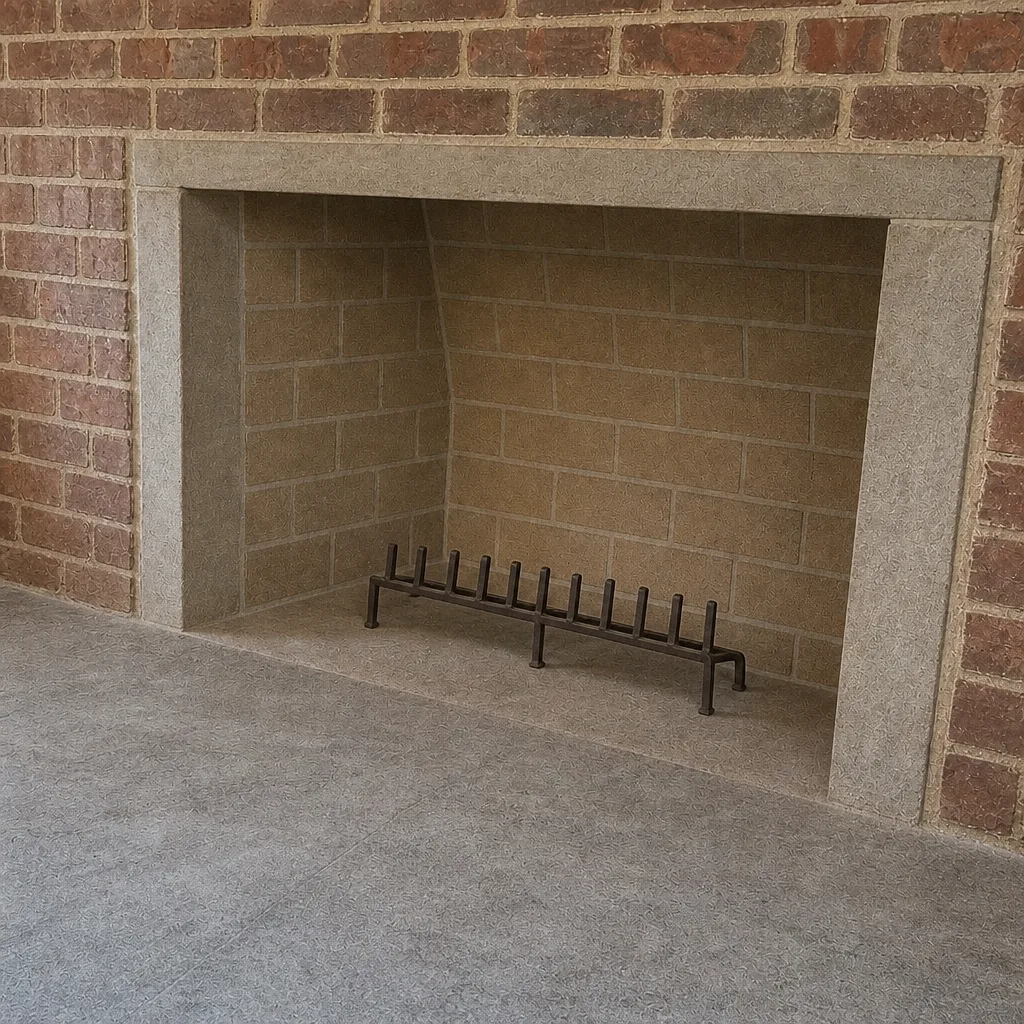
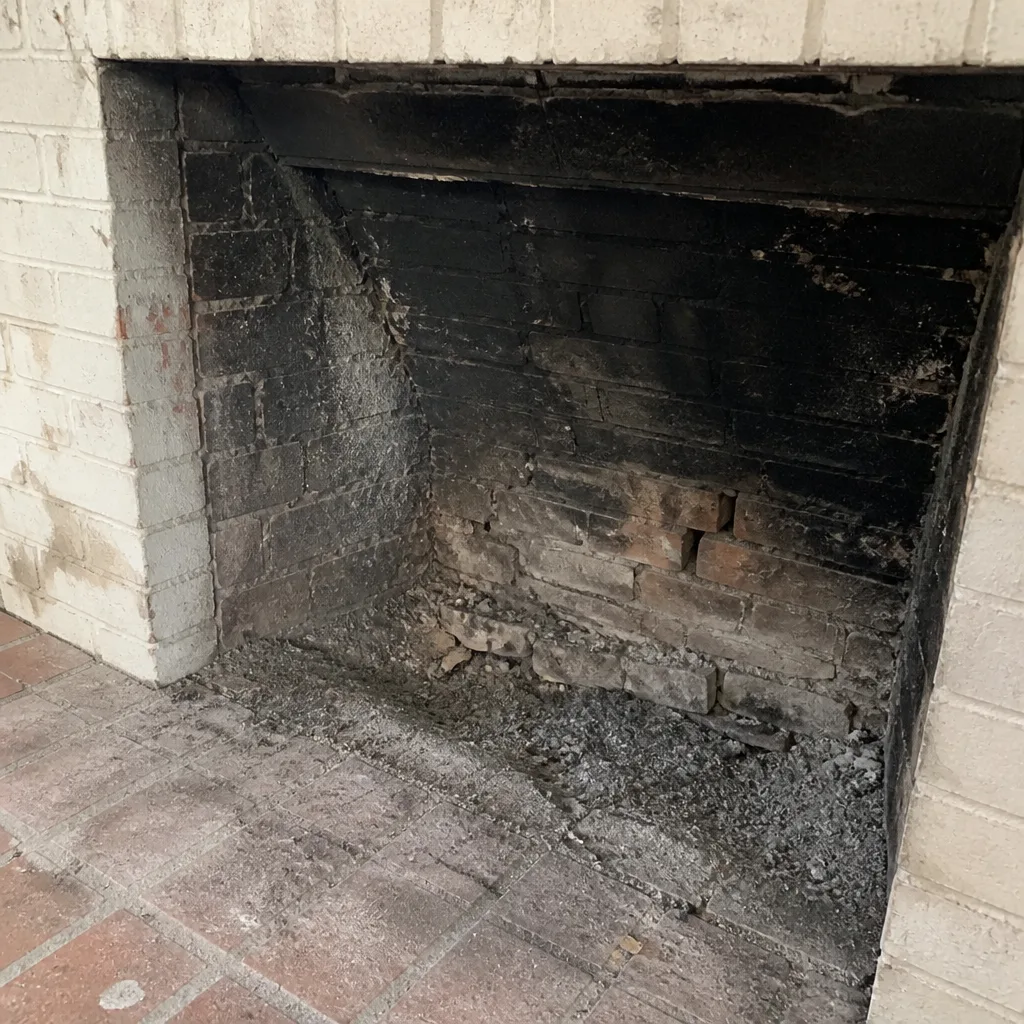
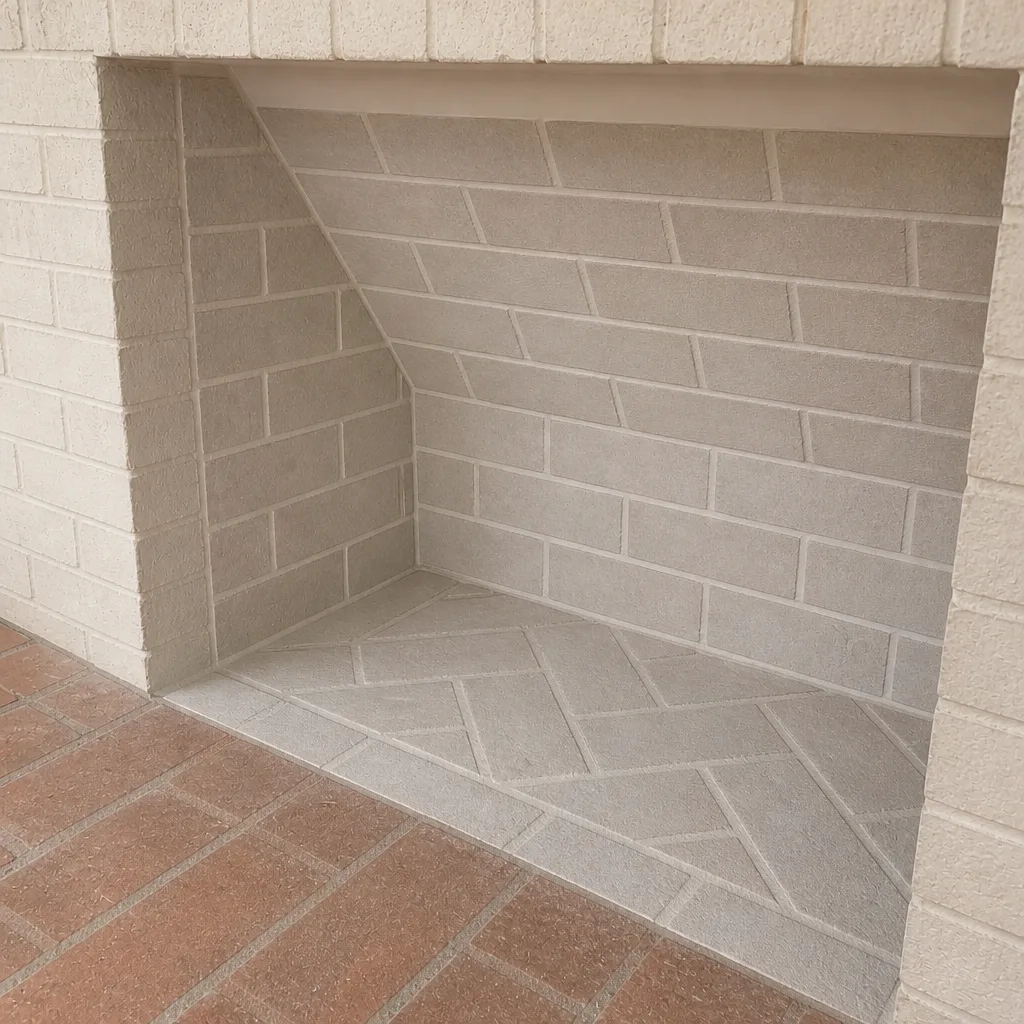
HeatShield is a ceramic-based resurfacing system used to restore fireboxes and flue liners that have deteriorated but aren’t yet at the point of full replacement. It’s applied as a trowelable compound, smoothed to the interior of the firebox or flue, and cured in place. The key point for homeowners: HeatShield capability signals a repair shop, not just a sweep operation. Most sweep-only companies don’t carry it because they don’t do restoration work.
Olympia Chimney Supply
Olympia is one of the larger professional suppliers in the chimney industry, known for liner systems, caps, and accessories. Their products are specified widely by chimney contractors and appear in a lot of Ventura-area repair work because they cover both residential and commercial applications. A technician who uses Olympia for a liner or a cap is working with a supplier whose products are engineered for the rigors of a working chimney.
DuraFlex
DuraFlex is best known for stainless steel flexible liner systems. These are the liners that get installed inside an existing flue when the original clay tile has cracked or the flue is undersized for the appliance. The liner is a permanent installation, so the alloy specification matters. DuraFlex liners are typically rated for wood, gas, and oil appliances depending on the model, and they carry manufacturer warranties that are backed by a professional distributor network.
Gelco, Famco, and Copperfield
These suppliers cover the supporting materials: caps, crown coats, flashing sealants, fasteners, and repair compounds. Gelco products are specified for chimney caps and crown work. Famco supplies caps and accessories widely used in the Western US. Copperfield is another professional supplier of caps, liners, and installation components. Together they round out the material list a competent chimney contractor keeps in rotation.
How Ventura’s Climate Shapes Product Specifications
Ventura sits on the coast, which means the air carries salt, the sun is strong most of the year, and the temperature swings between day and night are real even when winters are mild. For chimney materials, that combination rules out a lot of products that would work fine inland.
Salt air is the obvious one. Metals oxidize faster near the ocean, and any fastener, cap, or flashing that isn’t rated for a coastal environment will corrode prematurely. This isn’t a theoretical concern: galvanized steel that holds up for a decade inland can show significant rust in two to three years on a Ventura property within a few miles of the water. The same environment attacks the fasteners holding down a cap and the flashing sealing a chimney penetration. Stainless steel and coated aluminum are the specifications that make sense in a coastal setting.
UV exposure matters for anything elastomeric. Crown coats, joint sealants, and flashing compounds all need UV stabilization, because unmodified elastomers break down under constant sun. A professional-grade crown coat is formulated for this. A general sealant bought at the hardware store usually isn’t.
Temperature swings drive the third issue: thermal movement. A chimney expands and contracts as it heats and cools, and the materials on top of it need to move with it. A rigid mortar patch tends to crack when the chimney moves. A flexible crown coat stays bonded. The difference is the chemistry of the product, not the skill of the installer.
Any product specification you get from a contractor working in Ventura should reflect these conditions. If a proposal lists a material that’s rated for inland use and doesn’t mention coastal-rated fasteners or UV-stable compounds, that’s a flag worth questioning. Our chimney repair work is specified around coastal conditions because the alternative is a repair that needs redoing sooner than it should.
Stainless Steel vs. Galvanized Chimney Caps: What Lasts Here
A chimney cap does two jobs: it keeps rain, debris, and animals out of the flue, and it sparks-arrests if the fireplace is wood-burning. On a Ventura property near the coast, the cap is the most visible test of material choice. Two identical-looking caps can be installed on neighboring chimneys and perform like completely different products within three years.
Galvanized
- Lower upfront cost
- Rusts quickly in coastal air, often within two to three years
- Rust compromises the spark screen and the cap structure
- Rarely backed by a meaningful warranty in coastal conditions
- Reasonable for temporary protection, not as a long-term installation
Stainless Steel
- Higher upfront cost
- Holds up to salt air and UV without rusting
- Fasteners and screen stay intact over the long term
- Backed by manufacturer warranties from professional suppliers
- The specification that makes sense on a Ventura chimney
The gap between the two products isn’t just about corrosion. A rusted cap usually means a compromised spark screen, which means a compromised safety function. It also means the cap can eventually loosen and blow off in a wind event. Homeowners sometimes replace a galvanized cap every few years, which costs more over time than installing stainless once.
When you get a quote for a cap, ask two questions: what alloy, and who makes it. “Stainless” isn’t specific enough, because a cheap grade of stainless is not the same as a marine-grade alloy. A contractor working with a professional supplier like Olympia or Copperfield can tell you the exact specification and the warranty terms. A contractor quoting “a new cap” without a brand or alloy is telling you they haven’t thought about it. For homeowners in Ventura who plan to stay in the house, stainless is the specification that avoids the repeat cost.
How to Ask a Contractor What Brand They Use
This is the part most homeowners skip, and it’s the single most useful conversation you can have before booking repair work. Ask the questions plainly. A professional will have answers ready, and the answers will be specific. A contractor who hedges or deflects is telling you something.
- “What brand of crown coat do you use, and why?” A professional names the product and explains the specification (elastomeric, UV-stable, coastal-rated). A vague answer like “a good compound” is a red flag.
- “What alloy and what brand for a chimney cap?” The answer should include a specific alloy and a specific supplier. If the answer is “stainless,” ask for the grade and the manufacturer.
- “What liner system do you install, and who backs the warranty?” A professional names a supplier like DuraFlex or Olympia and points to the manufacturer warranty. A vague answer here is significant because liners are the most expensive part of most chimney work.
- “Do you carry HeatShield, and if so, when do you recommend it?” If the answer is yes, the company does restoration work. If the answer is no, the company can’t fix a deteriorated firebox without replacing it, which changes the scope and cost of your job.
- “Can I see the product label or spec sheet before you install?” A professional will show you. A contractor who won’t has something to hide.
- “If the product fails, what does your workmanship guarantee cover, and for how long?” The answer should specify the term, what’s covered, and whether labor is included. “We stand behind our work” is not a warranty term.
- “Can I get an inspection report before committing to any repair?” The answer should be yes, and the report should include photos and a written scope. If the answer is “we can roll the inspection into the repair,” that’s a soft no.
Ask these questions when you call, not after the work is quoted. A company that’s comfortable answering them is a company that thinks about materials as part of the job. That’s the standard we hold our own estimates to: every recommendation comes with the product name and the reason it was chosen. If you’re getting an estimate for a chimney sweep and the technician spots a problem, the same standard applies to the follow-up proposal.
Warranty Terms and What a Real Workmanship Guarantee Covers
Warranty language is where misleading contractors hide. Two companies can both say “we guarantee our work,” and mean completely different things. Learning to read the distinction is worth the effort, especially for a liner replacement or a firebox restoration, where the dollar stakes are higher.
Manufacturer warranty vs. workmanship warranty
These are two separate things and both matter. A manufacturer warranty covers the product itself: if a DuraFlex liner fails because of a defect in the material, the manufacturer replaces it. A workmanship warranty covers the installation: if the liner fails because it was installed wrong, the installer is responsible. A professional company offers both, and states the terms of each in writing.
What a meaningful workmanship guarantee includes
- A specific term: a defined number of years, not “for as long as you own the home” with no detail.
- Labor coverage: if the repair fails, who pays to redo the work? A warranty that covers the product but not the labor leaves you paying for the redo.
- Scope clarity: the warranty should describe what’s covered (crown, cap, flashing, liner) and what isn’t (damage from a chimney fire, damage from settling, neglect).
- Transferability: if you sell the house, does the warranty transfer to the new owner? This is a real issue in Ventura, where homes change hands regularly.
- Product sourcing: the warranty is only as good as the supplier behind it. A company working with professional-grade brands can point to a manufacturer warranty. A company using generic materials can only offer its own promise.
Red flags in warranty language
A warranty that’s verbal only, with nothing in writing. A warranty that requires the company to inspect the work at their sole discretion and “determine” whether a claim is valid. A warranty that excludes every realistic failure mode. A warranty that has no named product behind it, because the company can’t tell you what was installed.
Ask for the warranty terms in writing before work begins. A professional company provides them as part of the estimate. The sourcing question and the warranty question are connected: the professional-grade brands are worth paying for partly because they come with a manufacturer backing that generic materials don’t. If a proposal names a product, ask for the manufacturer warranty terms as well as the workmanship terms.
Inspect First, Recommend Second: The Honest Starting Point
The most useful thing a chimney company can do for you is inspect the system before recommending any work. That sounds obvious. It’s not always how the trade operates. Some companies bundle the inspection into a sweep-and-repair package, which makes it hard to tell whether the repair is actually needed or whether it was an upsell tied to the booking.
We offer inspection as a standalone service on purpose. A homeowner can call for an inspection, get a written report with photos of the firebox, flue, crown, cap, and flashing, and decide what to do with that information without any pressure to book the repair from the same company. That’s the honest starting point. It’s also how we make recommendations on our full range of work, whether that’s a routine sweep or a full liner replacement.
What a proper inspection covers
- Firebox: the masonry interior, looking for cracks, spalling, and deterioration that could let heat reach combustible material.
- Flue: the interior of the chimney, checked for creosote buildup, cracks in the clay tile, and gaps in the liner if one is installed.
- Crown: the top slab, checked for cracks that let water into the chimney structure.
- Cap and spark screen: condition of the cap, corrosion, damaged screen, improper fit.
- Flashing: where the chimney meets the roof, checking for failed sealant and water intrusion paths.
- Draft and ventilation: how the chimney draws, whether there are blockages, and whether the appliance is vented properly.
Photos matter because they let you see what the technician saw. Without them, you’re relying on a verbal description of work you can’t verify. Ask for the photos as part of the report. Ask for the written scope with each recommendation. A repair that can safely wait should be labeled as such, not listed as urgent. That’s the standard we hold to across the Ventura Chimney Cleaning service range, and it’s the reason we offer inspection and cleaning and repair as separate services rather than a single package.
Common Mistakes to Avoid
- Hiring a general handyman for chimney work. Chimney repair has its own material specifications and its own failure modes. A contractor who splits attention across plumbing and roofing won’t know what a HeatShield-appropriate restoration job looks like versus a full replacement.
- Accepting a verbal material description. “We’ll use a good cap” is not a specification. Ask for the brand and the alloy on every material item that goes onto your chimney. In Ventura, this matters more than inland because the coastal environment exposes material shortcuts within a couple of years.
- Taking the lowest bid without checking the product. The cheapest quote is often cheapest because it uses galvanized caps and generic crown compound. The redo cost usually erases the initial savings within a few years.
- Skipping the inspection when a repair’s been recommended. If a company recommends a liner replacement, ask to see the photos and the written scope. Repair work without evidence is a red flag whether the recommendation comes from a small shop or a large one.
- Assuming a repair that “looks fine” is fine. Cracks in the crown, loose flashing, and deteriorated fireboxes often aren’t visible from the ground. The Ventura sun dries out sealants that would hold up longer inland, and it’s not always obvious from a visual check at the roofline.
- Not asking about the warranty in writing. A manufacturer warranty on a DuraFlex or Olympia liner is one thing. A workmanship warranty from the installing contractor is another. Both are worth having in writing before work begins.
- Accepting a bundled price for sweep plus repair without a standalone inspection. Bundled pricing hides whether the repair was independently verified. An inspection report lets you tell the difference between a technician who found a real problem and a technician who found a way to bundle more work into the visit.
See the difference
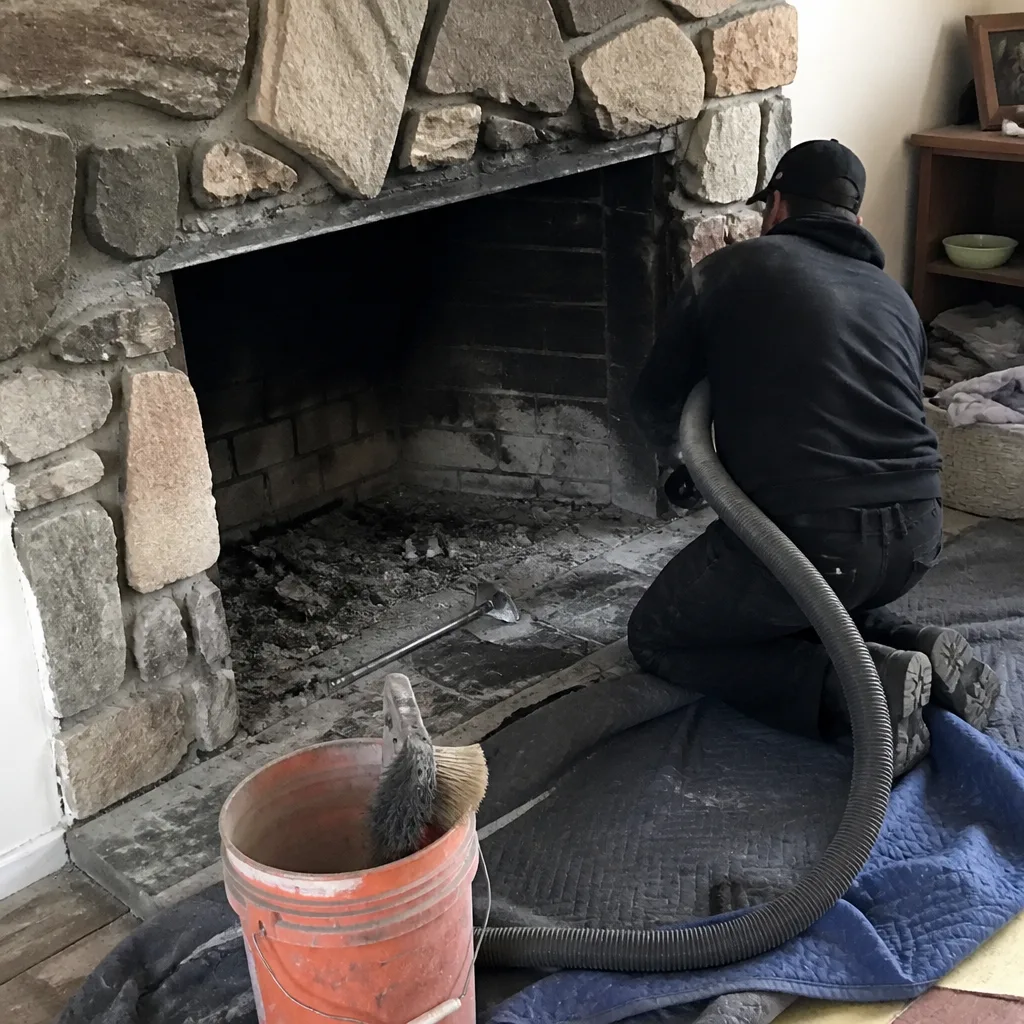 Before
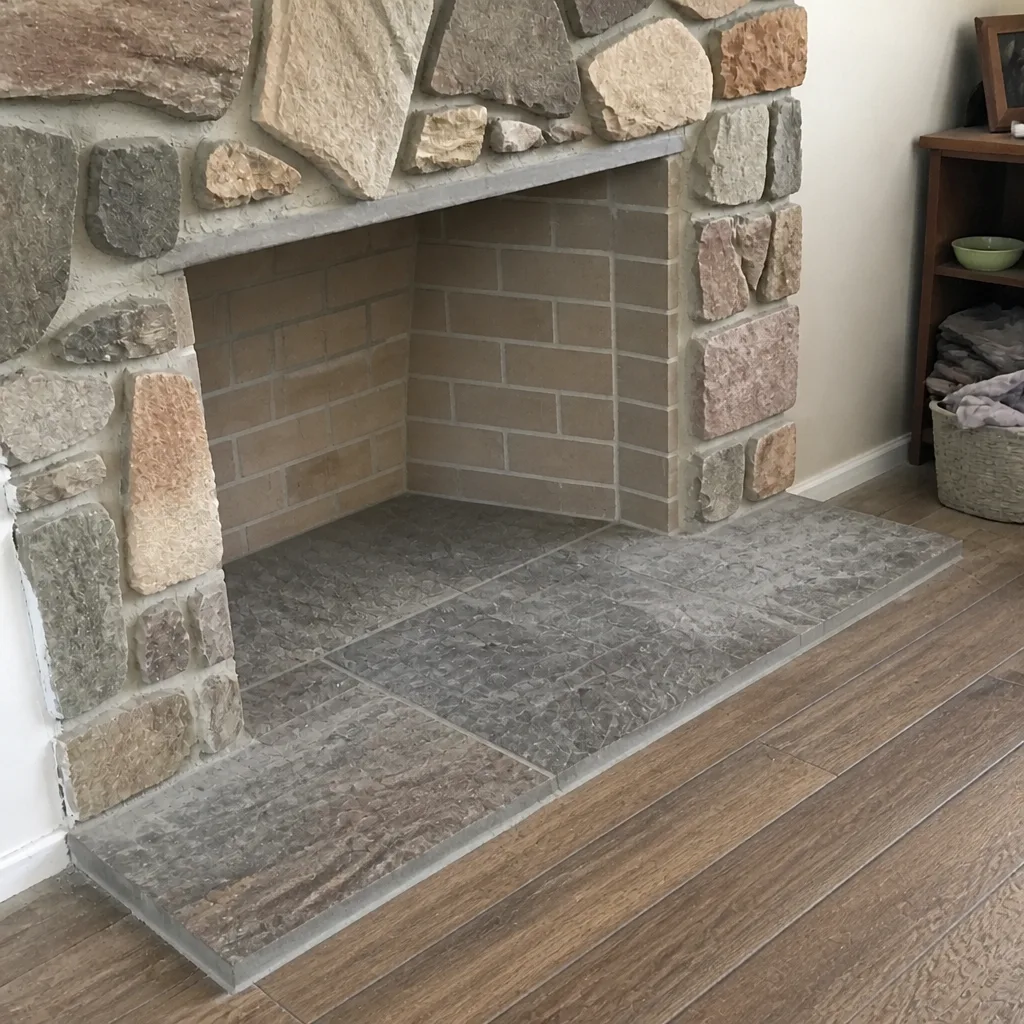 After
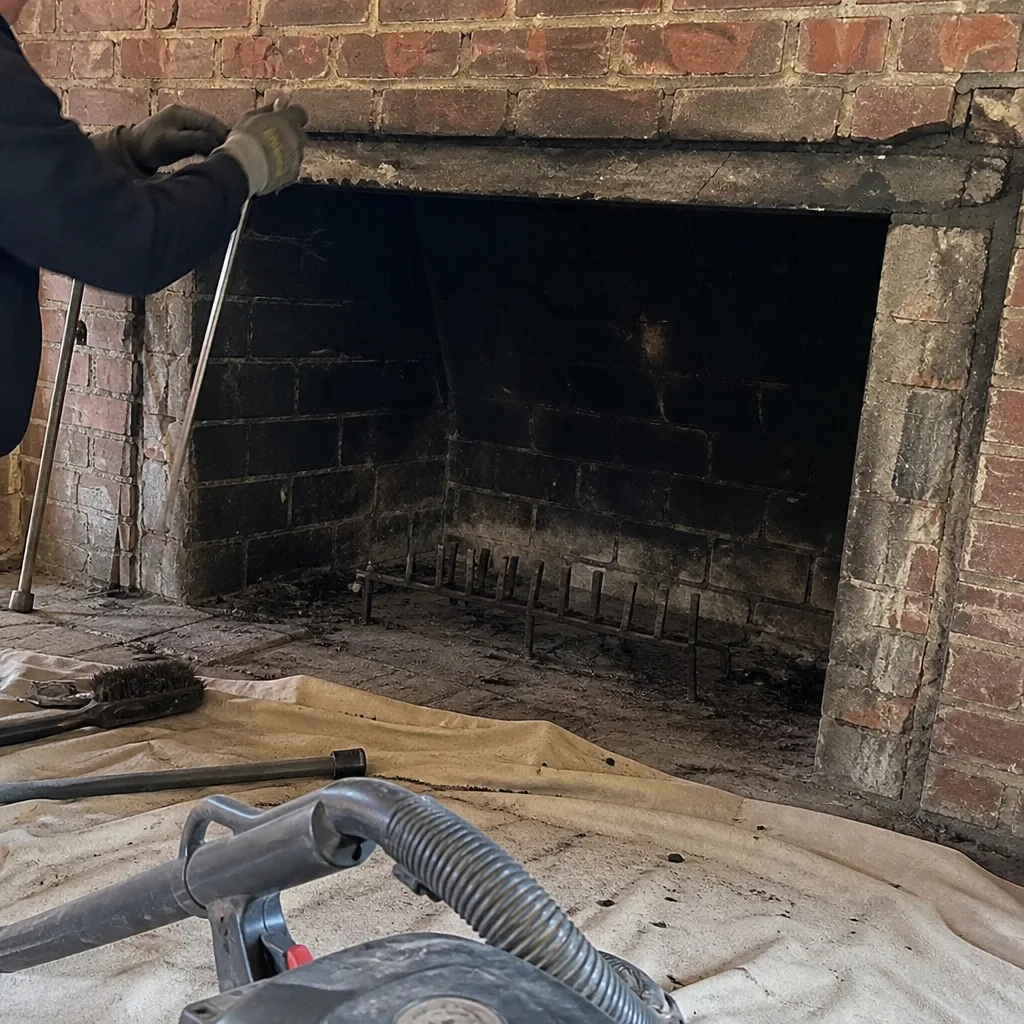 Before
 After
 Before
 After
When to Call a Professional
A chimney is one of those systems that works quietly until it doesn’t. There are specific moments when calling a professional is the right move rather than a nice-to-have. If you’ve recently purchased a home in Ventura and don’t have a record of the last inspection, book one. If it’s been more than a year since your last sweep, book one before the next burning season. If you see water stains near the chimney or on the ceiling below the roof, call for an inspection promptly because water intrusion compounds quickly. If you smell smoke in the house when the fireplace is running, that’s a draft or blockage issue worth checking before you light another fire. If a technician recommends a repair, ask for the inspection report first, and don’t commit until you’ve seen the evidence.
Ventura Chimney Cleaning offers free estimates in Ventura. Call (855) 939-0327. We answer 24/7. Fast dispatch from 7am to 7pm, Sunday through Friday.
Frequently Asked Questions
The professional-grade suppliers used by working chimney contractors are HeatShield, Olympia Chimney, DuraFlex, Gelco, Famco, and Copperfield. Each covers a different part of the system: HeatShield for firebox and flue restoration, DuraFlex and Olympia for liner systems, Gelco and Famco and Copperfield for caps, sealants, and accessories. On a Ventura property, the specification that matters is coastal-rated stainless for caps and UV-stable elastomeric compounds for crown work. Call (855) 939-0327 for an exact quote. Estimates are free.
Salt air accelerates corrosion on galvanized steel, often within two to three years on a Ventura property near the coast. A stainless cap with the correct alloy and professional fasteners avoids that cycle and holds up to UV exposure without breaking down. The manufacturer warranty on a professional-grade cap is another factor: it’s only as good as the supplier behind it. Call (855) 939-0327 for an exact quote. Estimates are free.
Ask for an inspection report with photos and a written scope before committing to any work. A repair that can safely wait should be labeled as such, and a genuine recommendation should come with evidence you can see for yourself: cracks in the firebox, damaged clay tile in the flue, failed flashing at the roof. If a company won’t provide photos or a written scope, that’s a reason to get a second opinion. Call (855) 939-0327 for an exact quote. Estimates are free.
HeatShield is a ceramic resurfacing system that restores a deteriorated firebox or flue without full replacement. A new liner, such as a DuraFlex or Olympia system, is a full replacement installed inside the existing flue. HeatShield is typically the right option when the damage is moderate, and a new liner is the right option when the tile or flue is beyond restoration. The choice depends on the inspection findings, not on a generic recommendation. Call (855) 939-0327 for an exact quote. Estimates are free.
Most homes using a fireplace regularly should have the chimney swept annually, before the burning season begins. Homes that burn less frequently can stretch to every other year, but the inspection should still happen annually because it catches structural issues (cracks, flashing failures, cap corrosion) that a sweep alone won’t reveal. Coastal Ventura conditions make the annual inspection more important than in a dry inland climate. Call (855) 939-0327 for an exact quote. Estimates are free.
Yes. Inspection is a standalone service, and you can book it without any commitment to additional work. The report includes photos and a written scope of any issues found, and you can use that information to decide what to do next. This is the honest starting point for any chimney work, and it’s how we make recommendations that homeowners can actually verify. Call (855) 939-0327 for an exact quote. Estimates are free.
The Bottom Line
The brand behind a chimney repair is a leading indicator of how long that repair will last. Professional-grade products from HeatShield, Olympia Chimney, DuraFlex, Gelco, Famco, and Copperfield are specified for chimney work in coastal conditions and carry manufacturer warranties that generic materials don’t. A contractor who can name the product and the reason behind it is a contractor worth hiring. A contractor who can’t is a reason to keep looking. Get the inspection report first, ask for the product name on every material line, and ask for the warranty in writing before work begins. In Ventura, the material specification is part of the job, not an afterthought. That’s the standard we hold our own work to.
Ventura Chimney Cleaning offers the full cycle of sweep, repair, and inspection as standalone services, sourced from the professional suppliers covered in this guide. Call (855) 939-0327. We answer 24/7. Fast dispatch from 7am to 7pm, Sunday through Friday. Estimates are free and set per job by the written estimate.
Written by the team at Ventura Chimney Cleaning.