
Last updated November 16, 2026
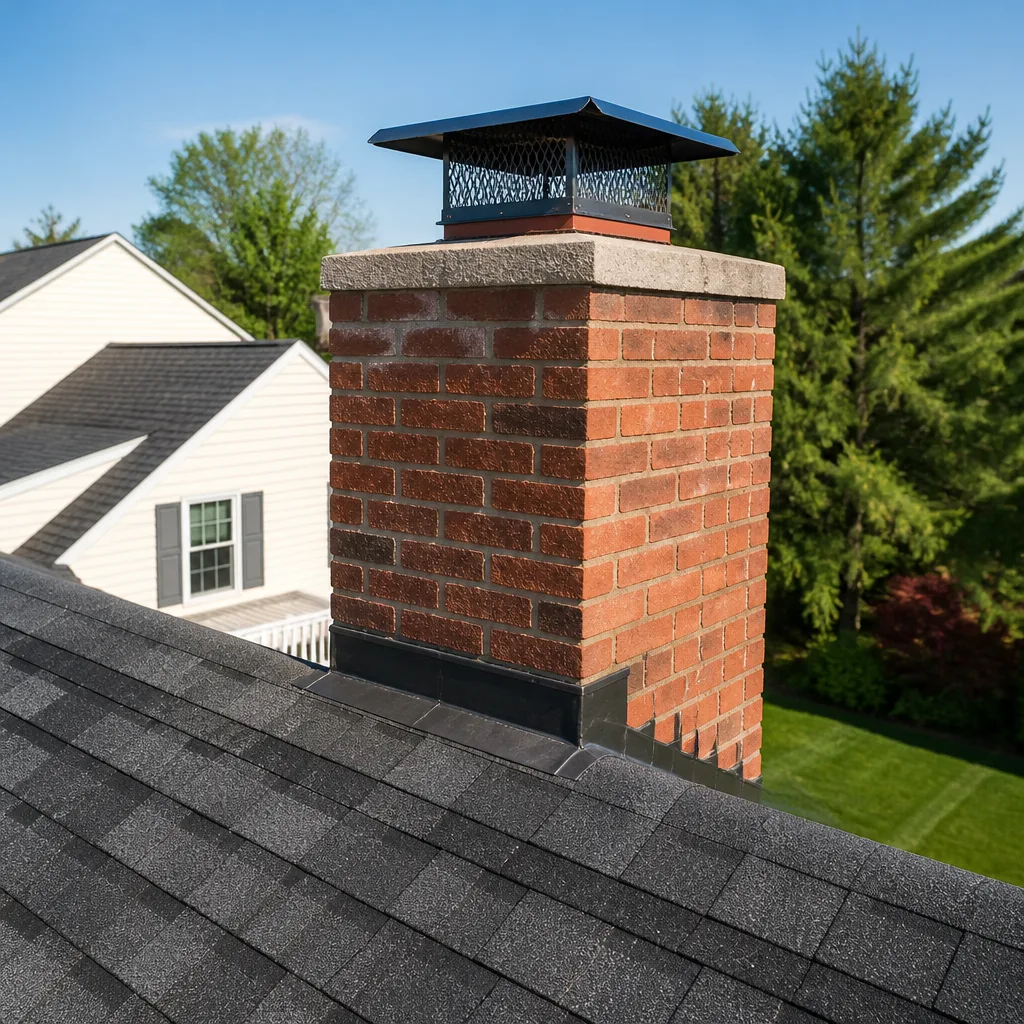 Sweep & inspection
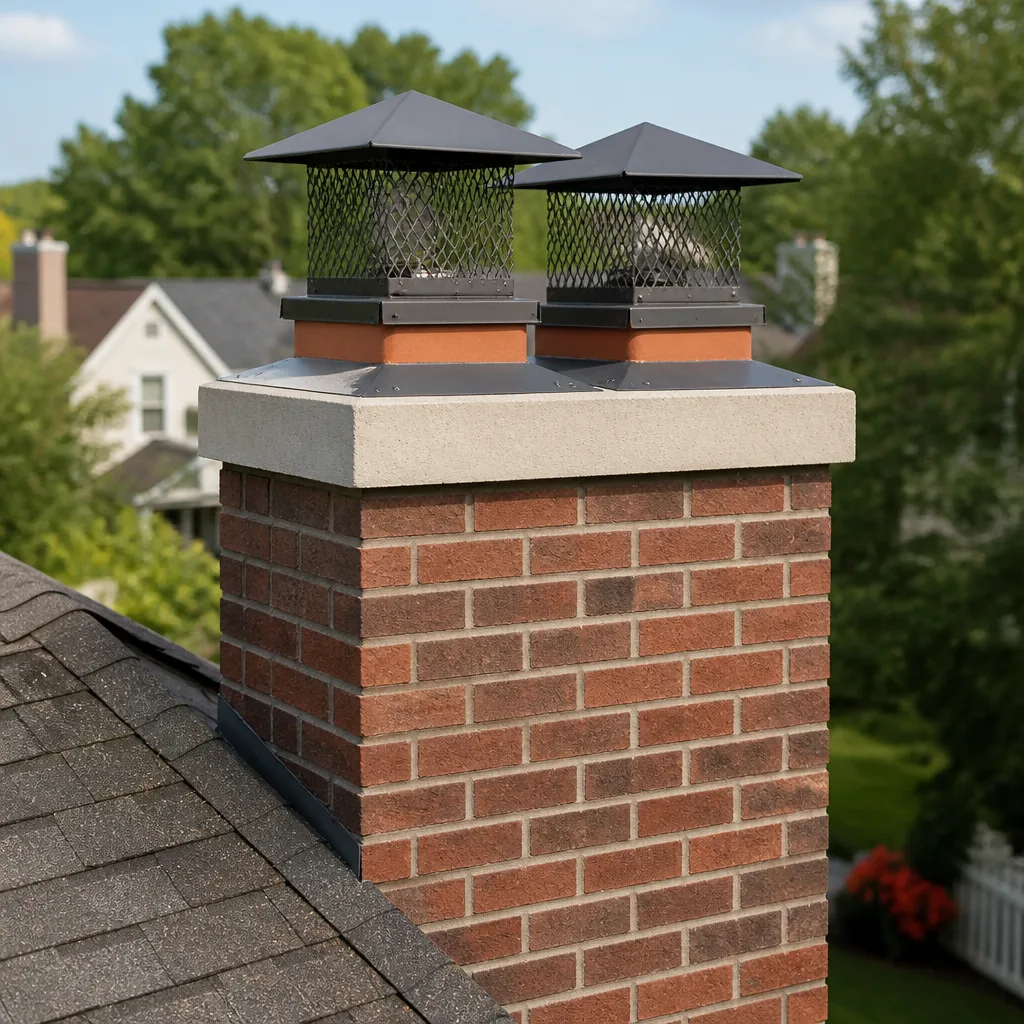 Caps & crowns
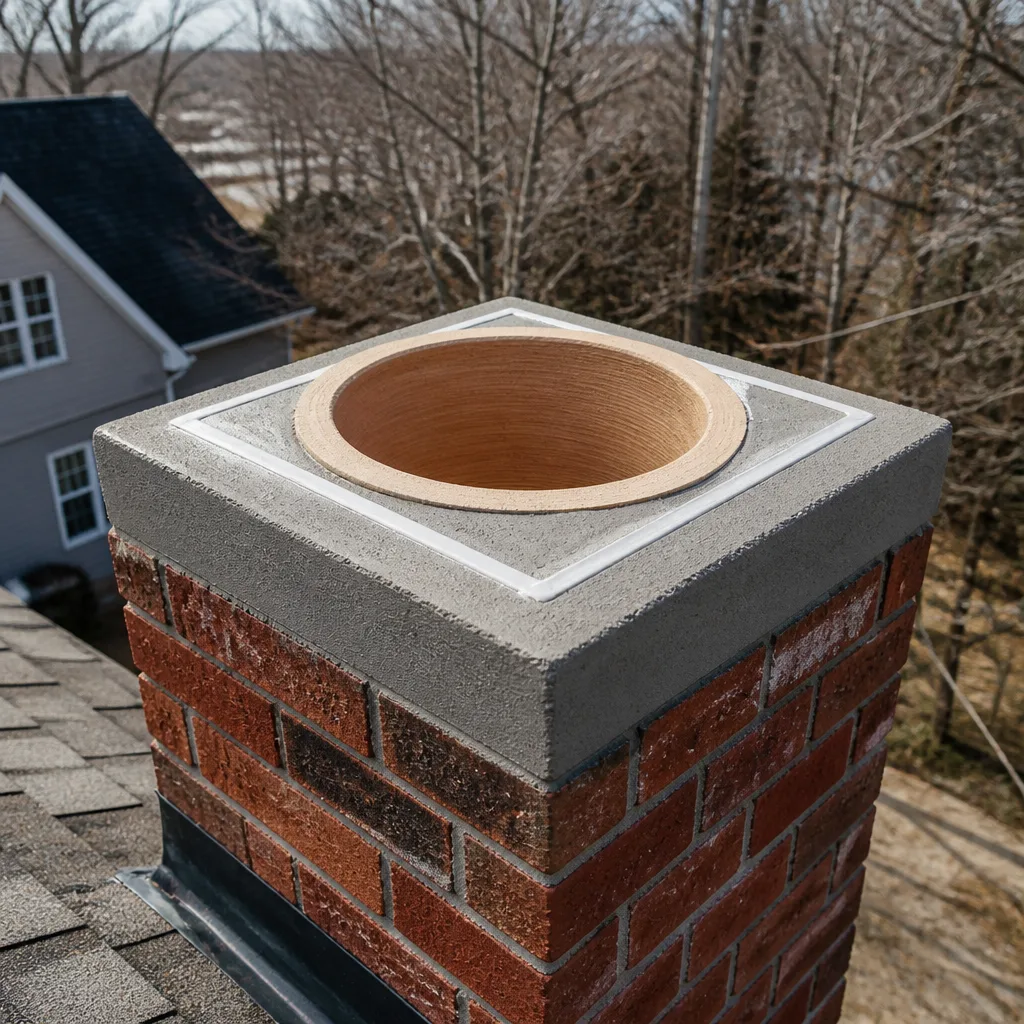 Flue relining
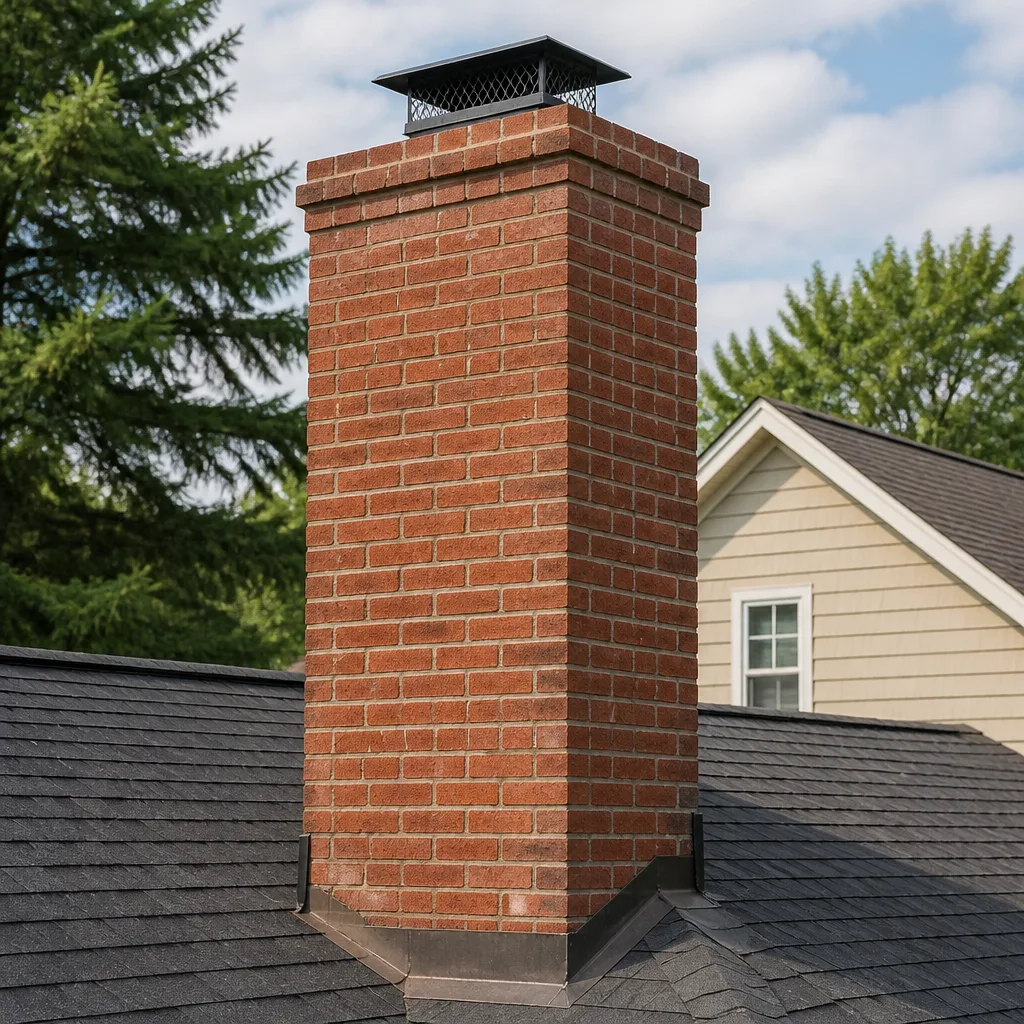 Masonry repair
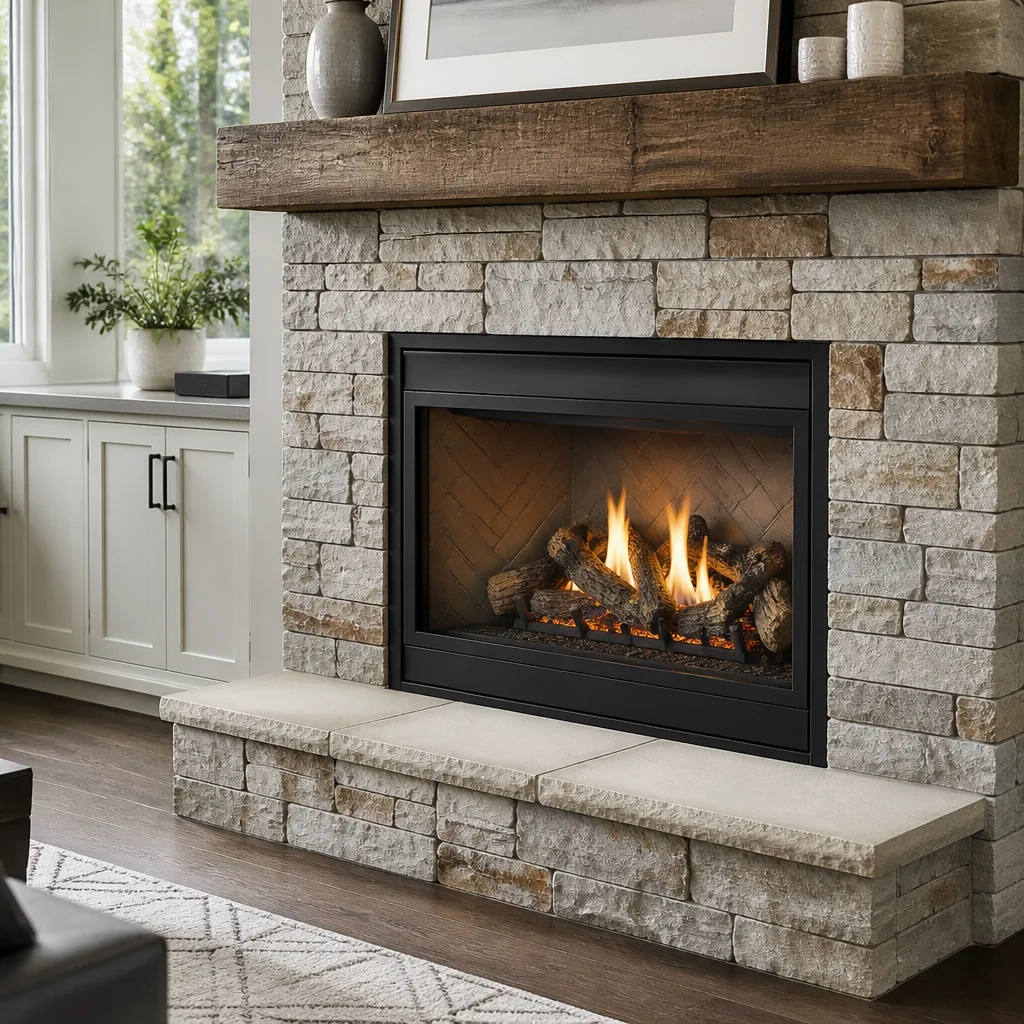 Gas fireplace service
Level 1 sweep and inspection to the NFPA 211 annual standard - flue, crown, cap, and flashing checked and photographed
Chimney sweep logs do not sweep chimneys. They loosen some creosote - which then falls where a brush and vacuum still have to collect it.
How to Hire a Chimney Cleaning Contractor in Ventura: A Step-by-Step Guide
Most homeowners in Ventura pick a chimney sweep the way they pick a pizza place: whoever answers first and quotes the lowest number. That works fine for pizza. It’s a poor strategy for the one trade where a mistake can fill a living room with smoke or leave a hidden creosote fire smoldering in the flue. The uncomfortable truth is that a lot of what shows up under “chimney sweep” in Ventura is generalist work: handymen, pressure-washing crews, and roofers adding a side job. This guide gives you the exact questions and verification steps to tell a real chimney specialist from an opportunist, in under an hour of your time.
Quick Answer
To hire a chimney cleaning contractor in Ventura, verify three things before booking: a current CSIA (Chimney Safety Institute of America) certification checked directly on the CSIA website, a California C-61/D-49 specialty contractor license confirmed on the CSLB database, and a written scope that includes a video camera inspection with a photo report. A sweep that can’t or won’t show you all three is a gamble with your home’s safety. Everything else in this guide builds on those three checkpoints.
Styles & brands we work with
- Sweep & inspection
- Caps & crowns
- Flue relining
- Masonry repair
- Gas fireplace service
Table of Contents
- Why hiring is trickier in Ventura than it looks
- Step 1: Verify CSIA certification directly
- Step 2: Check the contractor license on the CSLB database
- Step 3: Ask about equipment and method
- Step 4: Understand what the inspection covers
- Step 5: Learn to read the inspection report
- Step 6: Compare bids on scope, not price
- The questions to ask every contractor
Why Hiring Is Trickier in Ventura Than It Looks
Ventura has a particular combination of housing stock and climate that keeps chimneys in steady use but doesn’t make the problems obvious. Many homes here have wood-burning fireplaces and inserts that homeowners run through the cooler months, and the mild winters mean the chimney never truly shuts down for the year. A firebox that gets used regularly builds creosote whether or not the weather turns cold enough to notice.
That mildness cuts both ways. Because Ventura doesn’t have the dramatic deep-winter swings of mountain towns, chimney problems develop quietly. There’s no annual freeze to remind you something is wrong. By the time smoke backs up into the room or a firebox shows cracked masonry, the issue has often been building for a while.
The other half of the problem is supply. Real chimney specialists in the Ventura area are a smaller group than the number of listings suggests. Search for a sweep and you’ll find plenty of names, but a meaningful share of them are general contractors, pressure-washing operations, or handyman services who own a brush and a shop vacuum and treat chimney work as filler between other jobs. They may be perfectly honest people. They’re still not set up to do the work safely or to tell you what’s actually happening inside your flue.
That’s the gap this guide closes. If you already know you want a specialist and just need the service, you can head straight to chimney sweep to see what a professional visit involves. If you want to know how to tell the difference before you book anyone, read on.
Step 1: Verify CSIA Certification Directly
CSIA certification is the chimney industry’s baseline professional standard. A certified sweep has passed a written exam on chimney and venting knowledge, and the certification is maintained through continuing education. It’s not a license to print money, and it doesn’t make someone infallible, but it’s the clearest single signal that a technician takes the trade seriously.
The catch is that anyone can print “CSIA certified” on a website or a truck door. The only way to know is to check the certification yourself, directly, on the CSIA website’s searchable directory of certified professionals.
- Ask the contractor for their full name and their CSIA certification status before you book.
- Go to the CSIA website and find the “Find a Professional” search tool.
- Search by the contractor’s name or their business listing.
- Confirm the certification is current, not lapsed or expired.
- Make sure the name matches the person who will actually be doing the work, not just a company name on a directory.
The whole check takes under two minutes. If a sweep hesitates, deflects, or tells you the certification is “pending” or “in the office somewhere,” that tells you something worth knowing before anyone sets foot on your roof. A real specialist expects this question and will give you the information without any friction.
Certification alone isn’t the finish line. It confirms the technician passed a baseline standard; it doesn’t substitute for the license check in Step 2 or the equipment questions in Step 3. But it’s the fastest filter, and it eliminates a large share of the field immediately.
Step 2: Check the Contractor License on the CSLB Database
California requires contractors to be licensed for work above a certain threshold, and chimney work has its own classification. Chimney cleaning and repair fall under specialty contractor classifications, typically C-61 (limited specialty) or D-49 depending on the exact scope. A general B license is not the right fit for chimney-specific work. That distinction matters because a handyman with a general license may be legally operating but not specifically equipped or qualified for the trade.
The Contractors State License Board (CSLB) maintains a public database where you can look up any licensed contractor in the state. It takes a few minutes and tells you more than any testimonial ever will.
- Ask for the contractor’s license number before booking.
- Go to the CSLB website and enter the number in the license lookup tool.
- Confirm the license is active, not suspended or expired.
- Check that the classification matches chimney or specialty work, not just general building.
- Confirm the business name and address on the license match what the contractor gave you.
- Look for any complaint history or disciplinary actions noted on the record.
Ventura homeowners who skip this step are the ones who end up with an unlicensed operator doing repair work that later fails inspection or needs to be redone. It’s rare that a contractor with an active, correctly classified license turns out to be a bad actor. It’s much more common for an honest homeowner to book someone who turns out to be operating outside the license classification they should have. The database check surfaces both.
A specialty license also tells you something about scope. Chimney repair isn’t just sweeping. It involves masonry, liner systems, firebox restoration, and the kind of material selection that requires specific product knowledge. Somebody with a C-61/D-49 classification has demonstrated a level of commitment to the trade that a general handyman hasn’t.
Step 3: Ask About Equipment and Method
The single most revealing conversation you’ll have with a prospective contractor is about equipment. A real chimney specialist will talk about it comfortably and at length. A generalist will wave their hand and say “we’ve got what we need.” Here’s what to listen for.
Rotary sweeping systems. Professional rotary sweep systems use a powered rotating brush that follows the contour of the flue. They’re more precise and less damaging to the liner than a hand-driven brush and do a better job on stubborn deposits. A specialist has one. A handyman often has a brush on a pole.
Video camera inspection capability. This is the big one. Modern chimney inspection uses a video camera on a flexible rod to see the full length of the flue, not just the parts a flashlight can reach from the firebox. If a contractor can’t do a video inspection, they can’t tell you what’s happening inside the flue, and their “inspection” is really just a visual walk-around.
Professional-grade sealants and materials. When repair is needed, the products matter. Chimney specialists use products from specialist manufacturers: Gelco sealants for crown and masonry repair, Olympia Chimney for liners, Famco and Copperfield for related components. If a contractor is using hardware-store caulk on a chimney crown in Ventura’s climate, they’re buying time, not fixing the problem.
The method. Ask how they clean, not just what they clean. They should be able to walk through the sequence: preparation of the work area to keep soot out of your home, brushing technique, debris collection, and confirmation with the camera that the flue is clean before they finish. Vagueness here is a red flag.
Standard tools vs. professional tools. Nobody needs to show you a catalog. But the difference between a pro’s tool bag and a handyman’s is obvious when you ask the right questions. A professional-grade material is built for the job; a hardware-store substitute is built for a price point. The chimney repair conversation usually comes down to which one a contractor is using.
Step 4: Understand What the Inspection Covers
Inspection and cleaning are two separate services, and professional contractors treat them that way. A proper chimney inspection should happen before the cleaning, not after, so the technician knows what they’re dealing with and can show you what’s in the system before anything gets swept away.
Chimney inspections are generally described across three levels. Most routine inspections and sweeps fall into what’s commonly called a Level 1 inspection: a visual examination of the readily accessible portions of the chimney and venting system. A Level 2 inspection goes further and includes the video camera examination of the flue interior, which is what you want if you’ve just moved into a house, changed appliances, or had a chimney fire or other event that may have caused damage. A Level 3 inspection is a more involved investigation that may involve opening walls or removing components, and it’s recommended only when a serious problem is suspected.
For most Ventura homeowners who haven’t had a professional look at their chimney in more than a year, a Level 1 with a video camera check of the flue is a sensible starting point. If you’ve recently purchased a home here, or you’ve changed what you burn, or you’re worried about the condition of a firebox you’ve never had examined, level up to a Level 2.
Here’s what a professional inspection should include, at minimum:
- A visual examination of the firebox, damper, smoke chamber, and flue as far as is accessible
- Video camera examination of the flue interior where the level requires it
- Assessment of creosote buildup and its stage
- Verification that the flue liner is intact, correctly sized, and properly connected
- Check of the chimney cap, crown, and exterior masonry for damage
- A written report, with photos, that you can keep and refer back to
If a contractor offers an “inspection” that doesn’t include a written report and photos, what they’re offering is a quick look, not an inspection. That matters because the report is the document you use to make decisions about repair, and it’s the document that protects you if a later problem traces back to something they should have caught.
Step 5: Learn to Read the Inspection Report
The inspection report is where honest chimney work and improvised work look most different. A well-written report is specific, references what was found with photos, and uses precise language about the condition of each component. A weak report is vague, adjective-driven, and curiously heavy on recommendations with no supporting evidence.
Here’s what a solid report includes:
- Component-by-component findings: firebox, damper, smoke chamber, flue, cap, crown, masonry
- Photos of each finding, taken during the inspection
- A description of creosote stage (the trade generally describes it in stages I through III, with stage III being glazed and the most hazardous)
- Specific recommendations, with reasoning, for any repair
- Clear notes on anything that can wait, and how long it can reasonably wait
- The inspector’s name and certification, so you can verify it
Now here’s what vague language tends to look like: “chimney needs cleaning and possible repairs,” “minor issues found,” “recommend full liner replacement,” “damage detected.” Any of those phrases without a photo, a component name, and a reason is a signal that the technician either didn’t find anything specific or doesn’t have the equipment to show you what they found.
If a report recommends a repair you can’t see evidence for, ask for the photo. A specialist will have one. If the answer is “we didn’t get a photo of that,” that’s a conversation worth having before you authorize any repair work.
A properly written report also tells you what can safely wait. Not every finding is urgent, and a good inspector will tell you which items need attention now, which can be scheduled for later, and which are simply things to keep an eye on. Chimney work is one area where the honest report is usually shorter and less alarming than the dishonest one.
Step 6: Compare Bids on Scope, Not Price
Once you have two or three inspections in hand, the urge is to compare the numbers. Resist it, at least for the first pass. A quote of one amount and a quote of a much higher amount for the “same job” aren’t comparable until you check whether they describe the same job.
When you look at a low bid, ask what’s missing:
- Is a video camera inspection included? A low bid often skips it, which means the technician can’t actually see the flue. That’s efficient for them and a blind spot for you.
- Is a written report included? Sometimes it’s a verbal summary, which is unusable if you need it later.
- Is the material professional-grade? A hardware-store chamber repair runs a fraction of a professional-grade material, and it may not hold up. That’s not savings; it’s repetition.
- Is the technician certified? Certification costs a technician time and money to maintain. A company that doesn’t invest in it is saving on something you may end up paying for later.
- Is the scope identical? A bid that covers a sweep only isn’t comparable to one that covers a sweep plus inspection plus report.
The right question isn’t “who’s cheapest?” but “which bid describes the work I actually need, with materials that will last, done by someone whose credentials I’ve verified?” The cheapest bid is often cheap because it leaves out a step. Sometimes the right bid is the low one, because the chimney genuinely only needs a sweep. But you can’t know that unless you know what’s included.
This is also where the materials conversation becomes practical. If you’re being quoted a liner repair, the bid should name the liner system. DuraFlex and Olympia Chimney are common professional-grade choices. If a bid only says “liner,” ask what make and model. A contractor who is confident in their material choice will tell you.
The Questions to Ask Every Contractor Before Booking
Bring this list to every conversation. A specialist will answer most of it without prompting. A generalist may need to think about it, and that’s information in itself.
- Are you CSIA certified, and is the certification current?
- What is your license number, and what classification?
- Is a video camera inspection included, and will I get photos of what’s in my flue?
- Will you provide a written report, and what does it cover?
- What system do you use for sweeping, and how do you protect my home interior from soot?
- If I need repair, what materials do you use, and can you show me the make and model?
- How long has the technician who will do my work been doing chimney work specifically?
- What can I do between visits to keep my chimney in good condition?
The answers tell you a lot. A specialist gives short, direct answers. A generalist tends to give long ones that circle back to price. Pay attention to which kind you’re hearing.
Common Mistakes to Avoid
- Booking the first name you see. The fastest search result isn’t the most qualified sweep in Ventura. Spend ten extra minutes verifying a couple of candidates, and you’ll almost always find a better fit than whatever came up first.
- Taking “CSIA certified” at face value. The claim costs nothing to make. Verification on the CSIA website costs two minutes. Many homeowners never do it, and the field stays murkier than it should be as a result.
- Assuming a general contractor license covers chimney work. A B license is for general building work, not chimney-specific trade work. Chimney cleaning and repair call for specialty classifications. Ask about the license number and classification before booking.
- Accepting a sweep without a camera inspection. If the technician can’t see the flue, they can’t tell you what’s happening in it. A sweep in Ventura is a beginning, not a whole service, and a contractor who skips the camera is skipping the only way to see the flue’s actual condition.
- Taking a verbal summary instead of a written report. You’ll want something to refer back to, and something to show anyone else who works on the chimney later. Ask for a written report with photos before the visit happens.
- Comparing bids without comparing scope. A low bid that skips the inspection, the report, or the professional-grade materials may cost more over time than a slightly higher bid that includes all three.
- Choosing the lowest number without asking what was left out. In chimney work, savings usually come from steps not taken. If the quote is noticeably below others for the same description, ask which step was dropped and why.
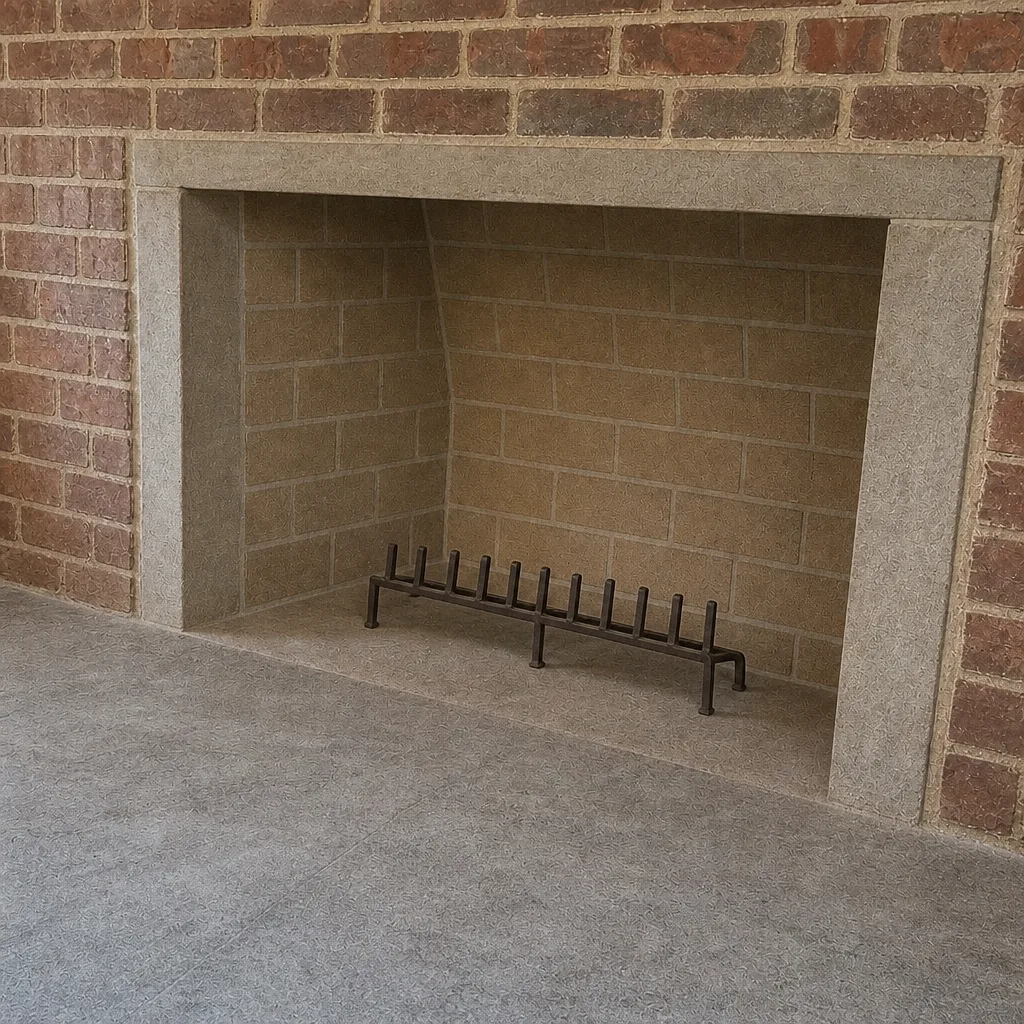
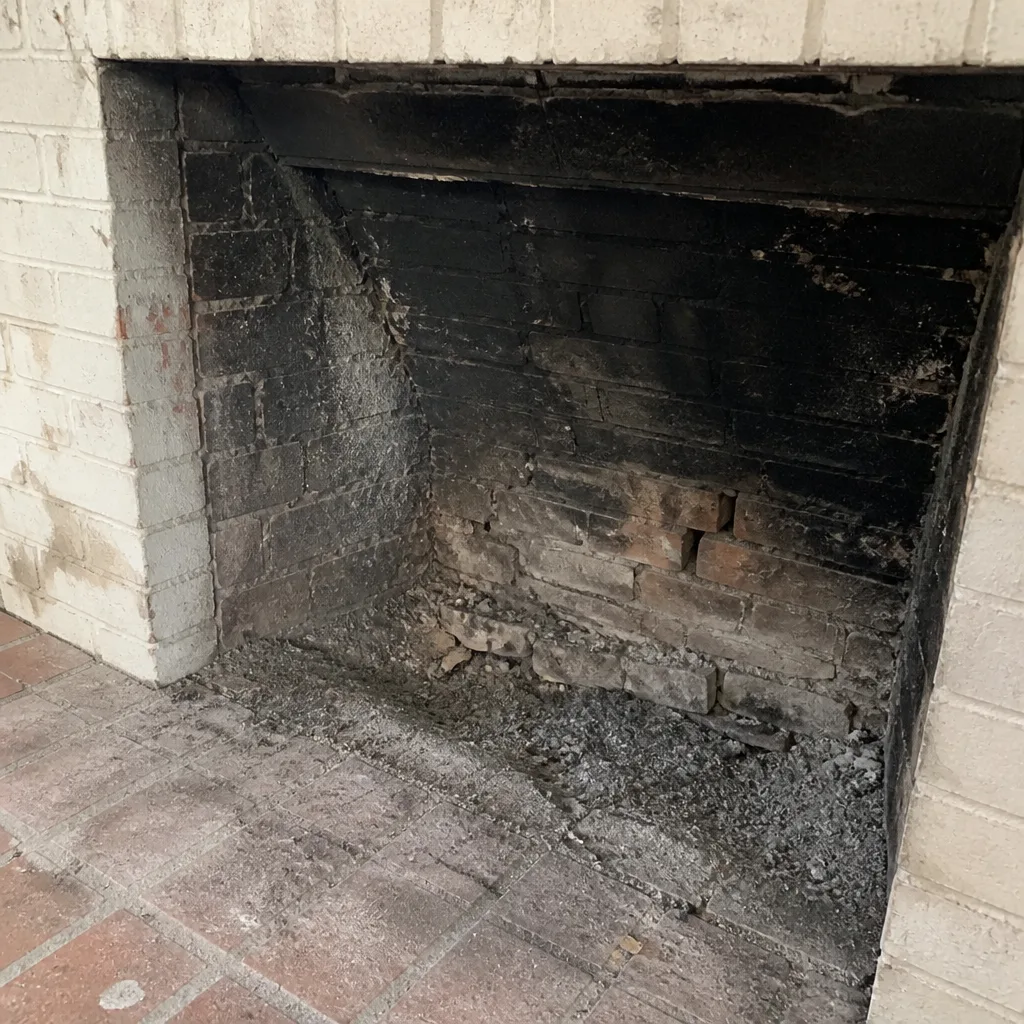
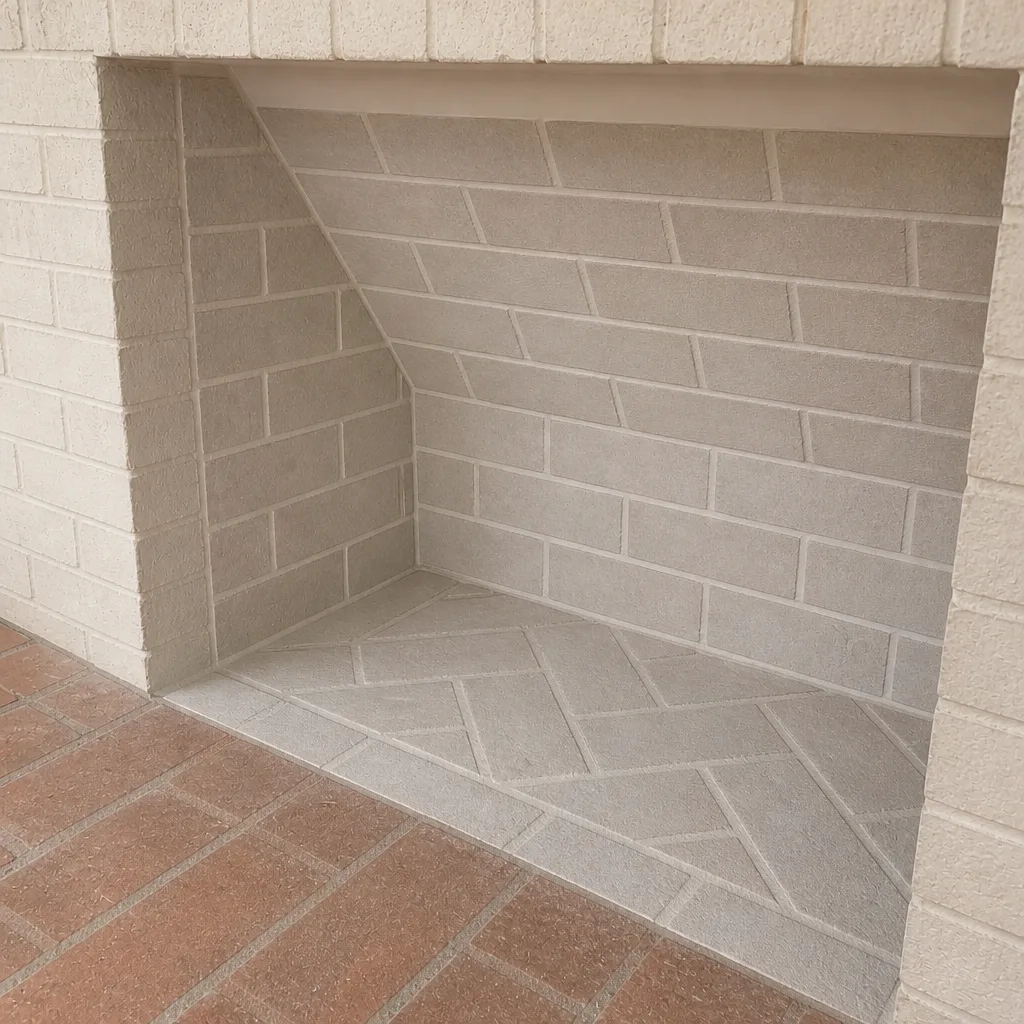
See the difference
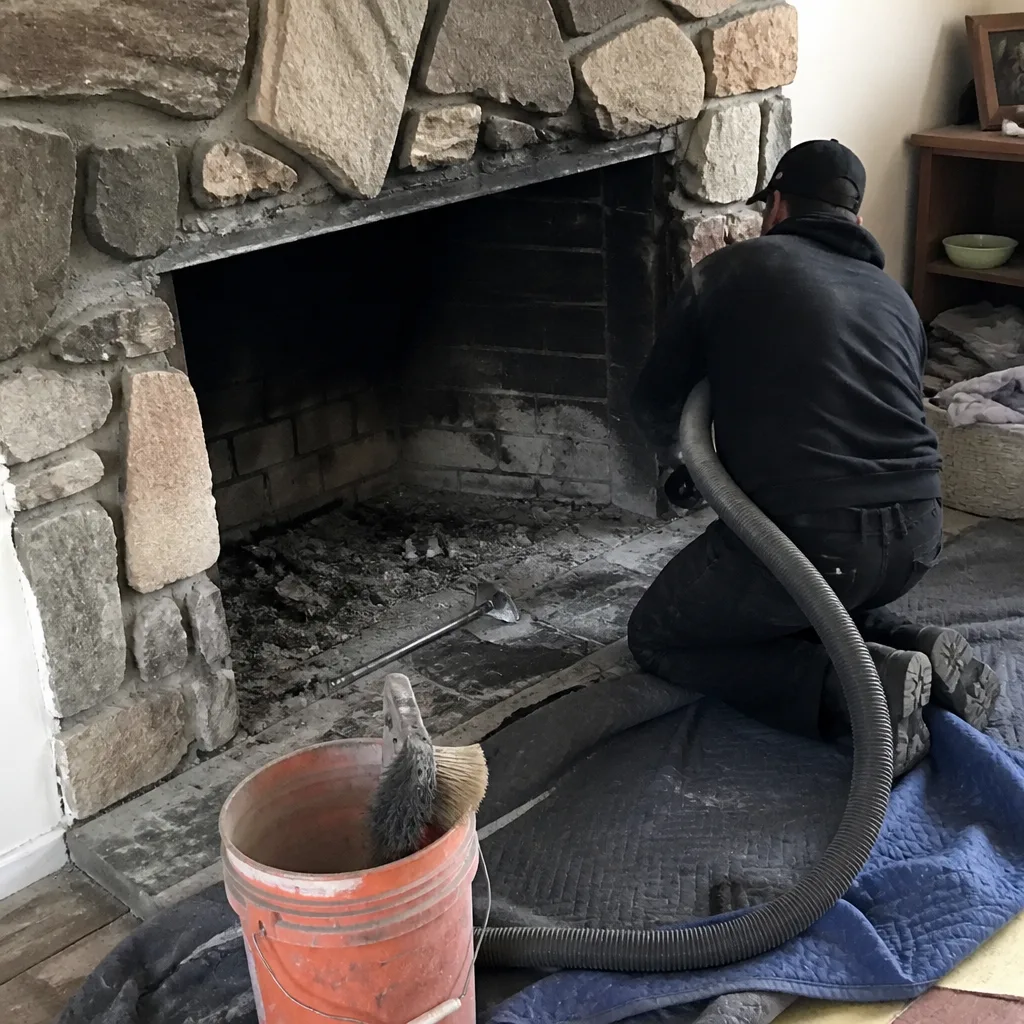 Before
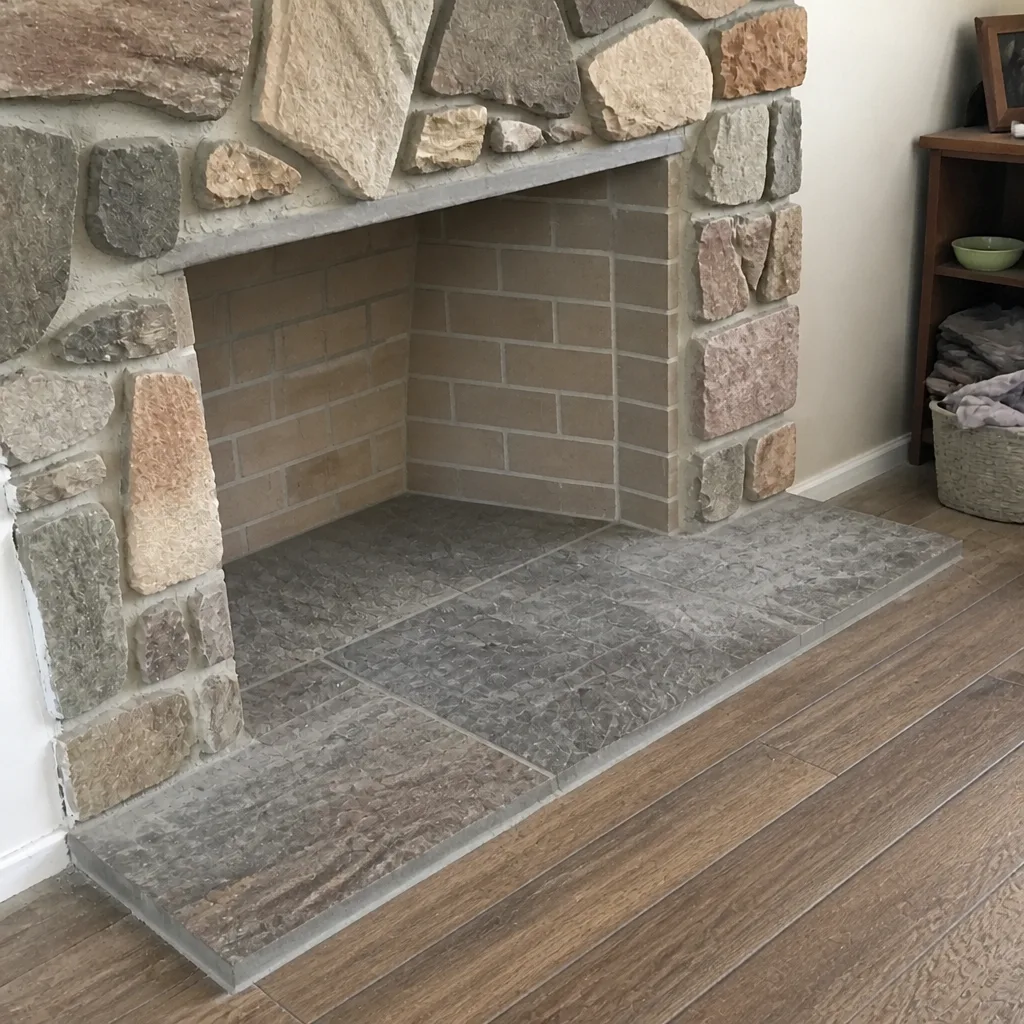 After
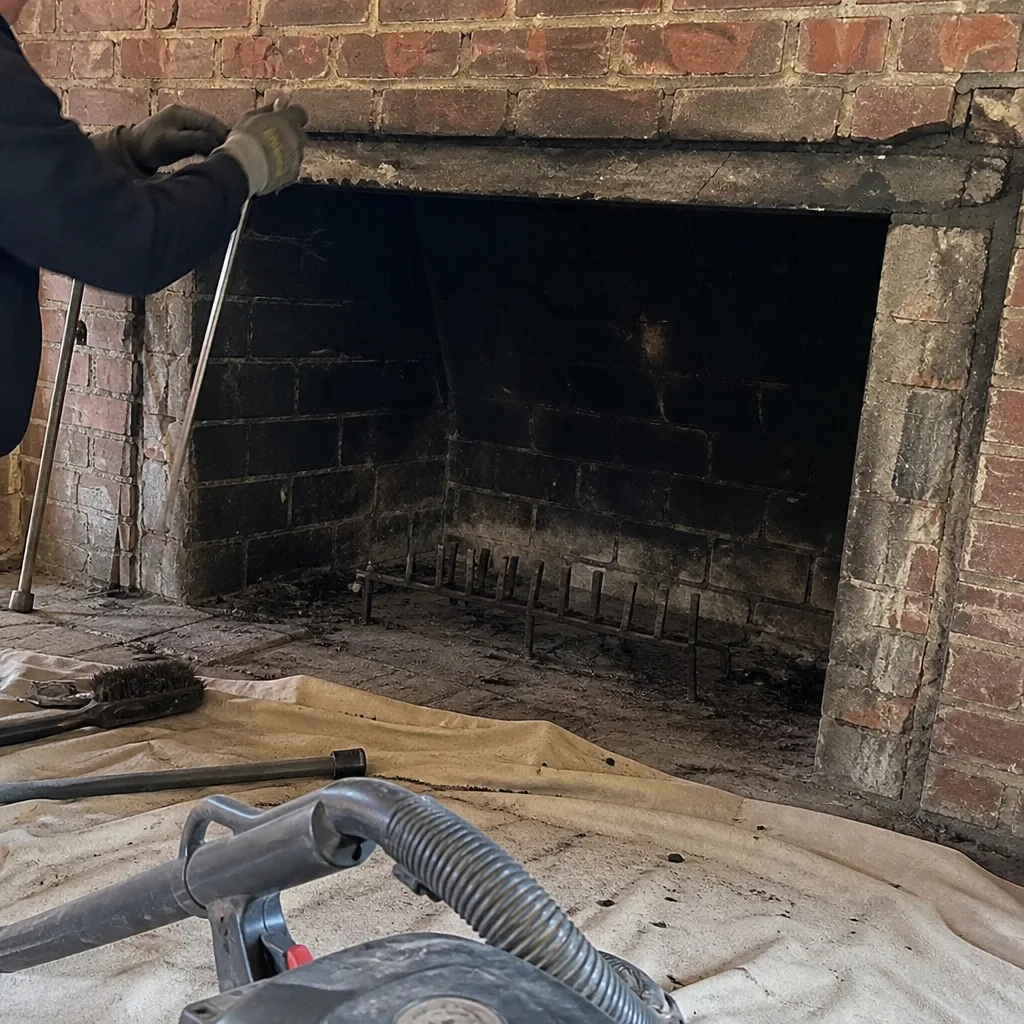 Before
 After
 Before
 After
When to Call a Professional
Some chimney work is straightforward, some isn’t, and the line between them is worth knowing. Call a professional if smoke backs up into the room when you have a fire going, if you can smell a strong creosote odor even when the fireplace is cold, if you’ve had a chimney fire or suspected one (even a small one), if the firebox shows cracked or crumbling masonry, if your chimney has never been inspected and you’ve lived in the house for more than a year, or if you’ve recently bought a home in Ventura and don’t have a documented inspection from a qualified technician. The rear of a house in Ventura that has been through a chimney fire is not the kind of thing to guess about.
Our technicians have up to 11 years of experience, and we’re happy to take the first look. Ventura Chimney Cleaning offers free estimates for inspection and cleaning in Ventura. Call (855) 939-0327 to book. We answer 24/7. Fast dispatch from 7am to 7pm, Sunday through Friday.
If you’re already comparing quotes, we can also review an existing report and give you a second opinion on what it actually recommends. That’s a useful service whether or not you book us: Ventura Chimney Cleaning keeps the door open for exactly that reason.
Frequently Asked Questions
Go to the CSIA website and use the “Find a Professional” search tool. Enter the technician’s name or company listing, and confirm the certification is current. You don’t need an account or a password; the directory is public. A legitimate certified technician will give you their name and certifying details without hesitation, and the website check takes under two minutes. Call (855) 939-0327 if you’d like us to walk you through what to look for.
Yes, chimney repair work in California generally requires a specialty contractor license, typically C-61 or D-49 depending on the scope. Cleaning alone may fall into narrower requirements, but the moment repair work enters the picture, the license classification matters. Look up the contractor’s license number on the CSLB database and confirm both that it’s active and that the classification fits chimney work. A general B license is not the right fit for specialty chimney work. Call (855) 939-0327 if you want to talk through a specific contractor’s license before booking.
Pricing is per job and set by a written estimate after we’ve seen the chimney. A standard sweep, an inspection, and any repair work are each quoted separately so you know exactly what you’re paying for and why. Avoid quoting a number before the inspection, and be wary of any quote that arrives before the technician has actually looked. Call (855) 939-0327 for a free estimate; the written estimate is what sets the final price.
A sweep cleans; an inspection assesses. A sweep removes soot and creosote from the flue. An inspection evaluates the condition of the entire system, usually with a video camera and a written report, and recommends any repair. They’re related but separate services. A good contractor offers an inspection before a sweep, not instead of it, so they know what they’re cleaning and can document any issues found before the evidence is removed. Call (855) 939-0327 to book an inspection on its own or combined with a sweep.
A proper report includes component-by-component findings, photos of anything noted, the creosote stage if relevant, specific repair recommendations with reasoning, and clear notes on what can safely wait. It should be written, not verbal, and it should name the technician who performed it. Vague language like “minor issues” or “possible repair needed” without a photo and a component is a red flag; ask for specifics. Call (855) 939-0327 to see what our reports look like.
A specialist only does chimney work, so the tools, materials, and training are aligned with the job. A generalist splits attention across plumbing, roofing, and handyman tasks and may not have professional-grade materials or a video camera on hand. That doesn’t automatically make a generalist dishonest, but it does make them less equipped. When it comes to choosing the right liner or restoring a firebox with Gelco or Olympia Chimney products, specialization is the safer bet. Call (855) 939-0327 to book with our chimney-focused team.
The Bottom Line
Hiring a chimney cleaning contractor in Ventura comes down to three checks: CSIA certification verified on the CSIA website, a current C-61/D-49 specialty license verified on the CSLB database, and a written scope that includes a video camera inspection and a photo report. A contractor who can show all three is a professional; a contractor who can’t show one or more deserves a second look. The cheapest bid is usually cheap because something was left out. The best bid is the one that matches the work your chimney actually needs, with professional-grade materials from manufacturers like DuraFlex, Olympia Chimney, Gelco, Famco, and Copperfield, done by a technician whose credentials you’ve verified yourself. If you’re ready to check the chimney, we’re ready to take a look. Ventura homeowners can call (855) 939-0327 to book a free estimate. We answer 24/7, with fast dispatch from 7am to 7pm, Sunday through Friday.
Written by the team at Ventura Chimney Cleaning.