
Last updated November 16, 2026
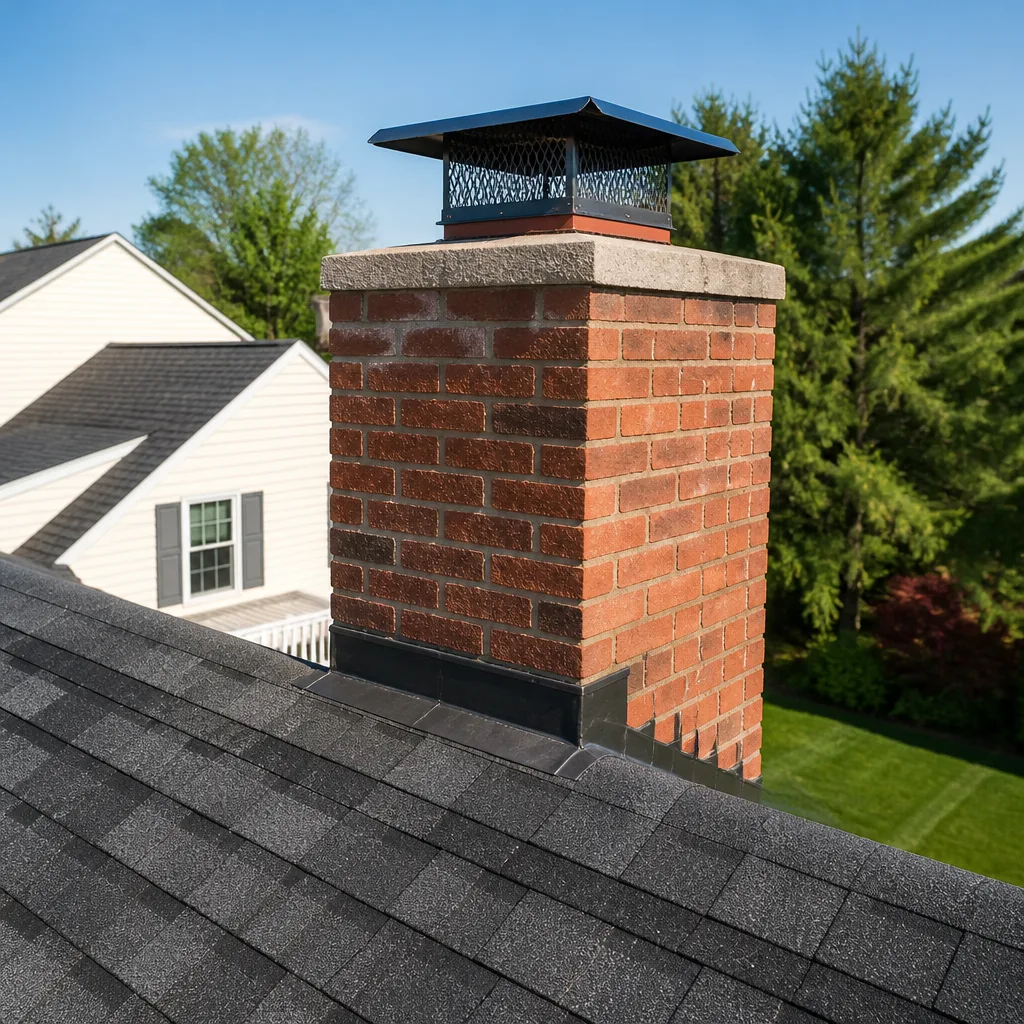 Sweep & inspection
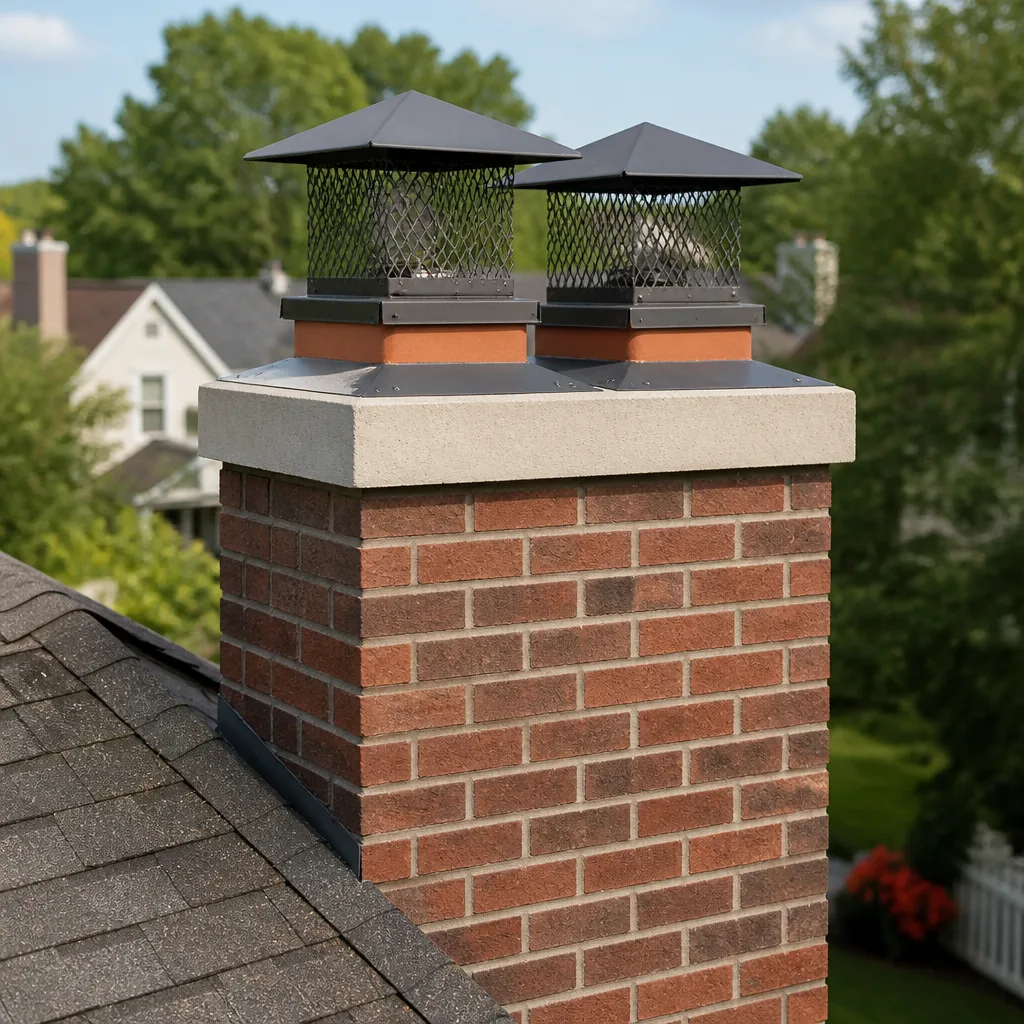 Caps & crowns
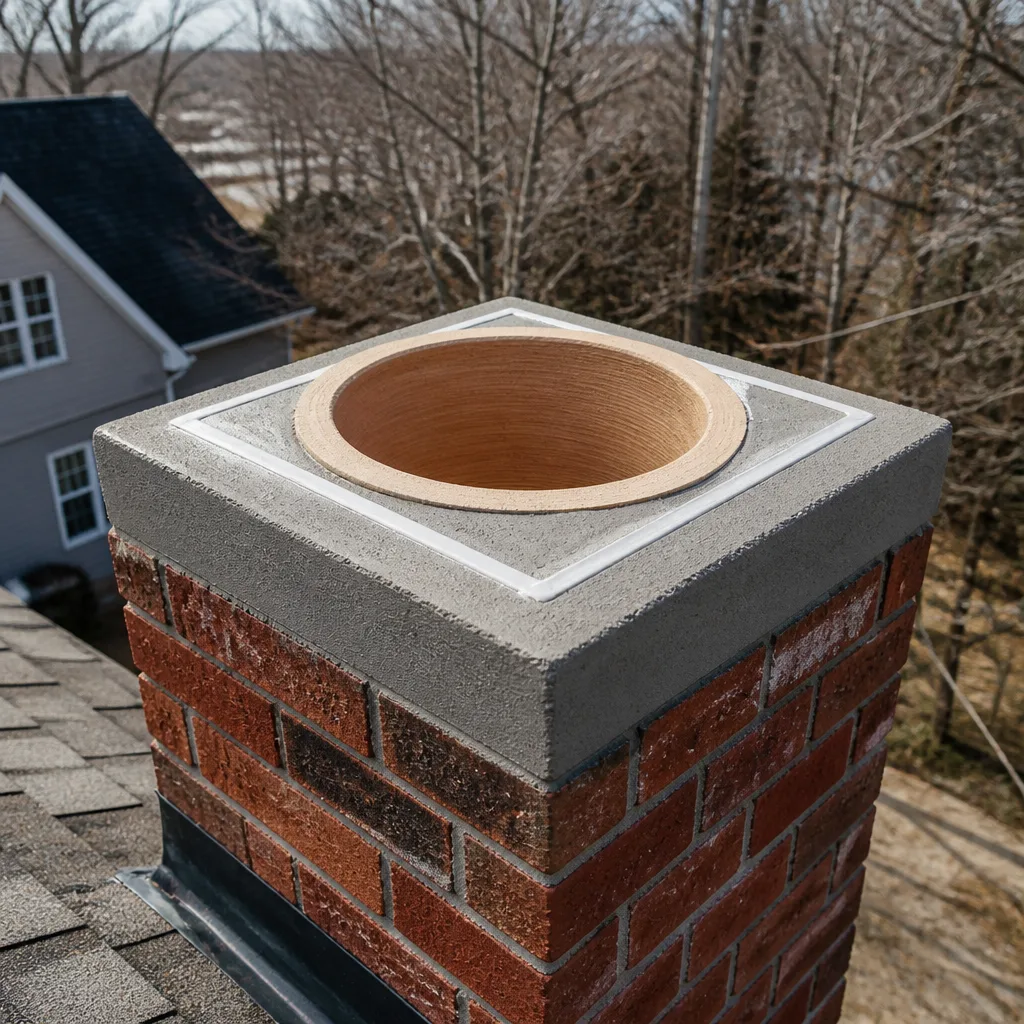 Flue relining
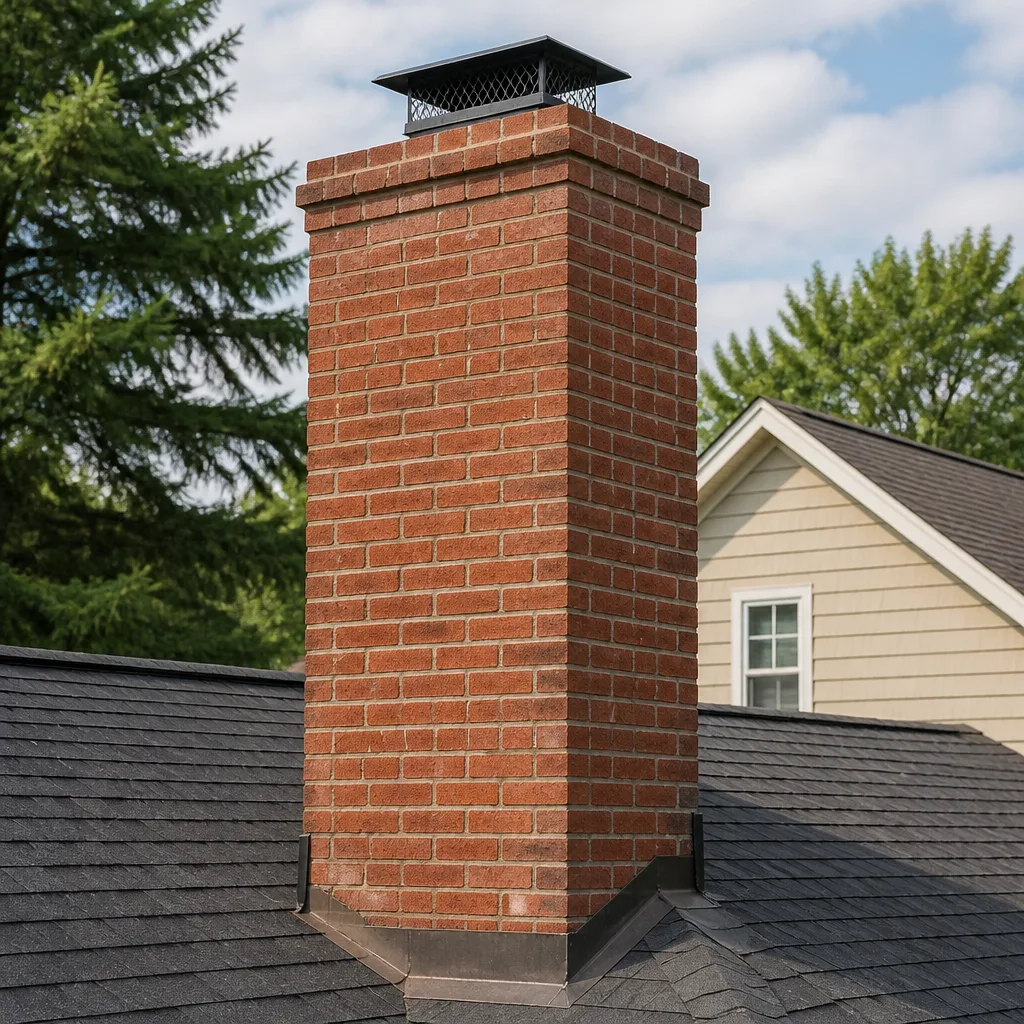 Masonry repair
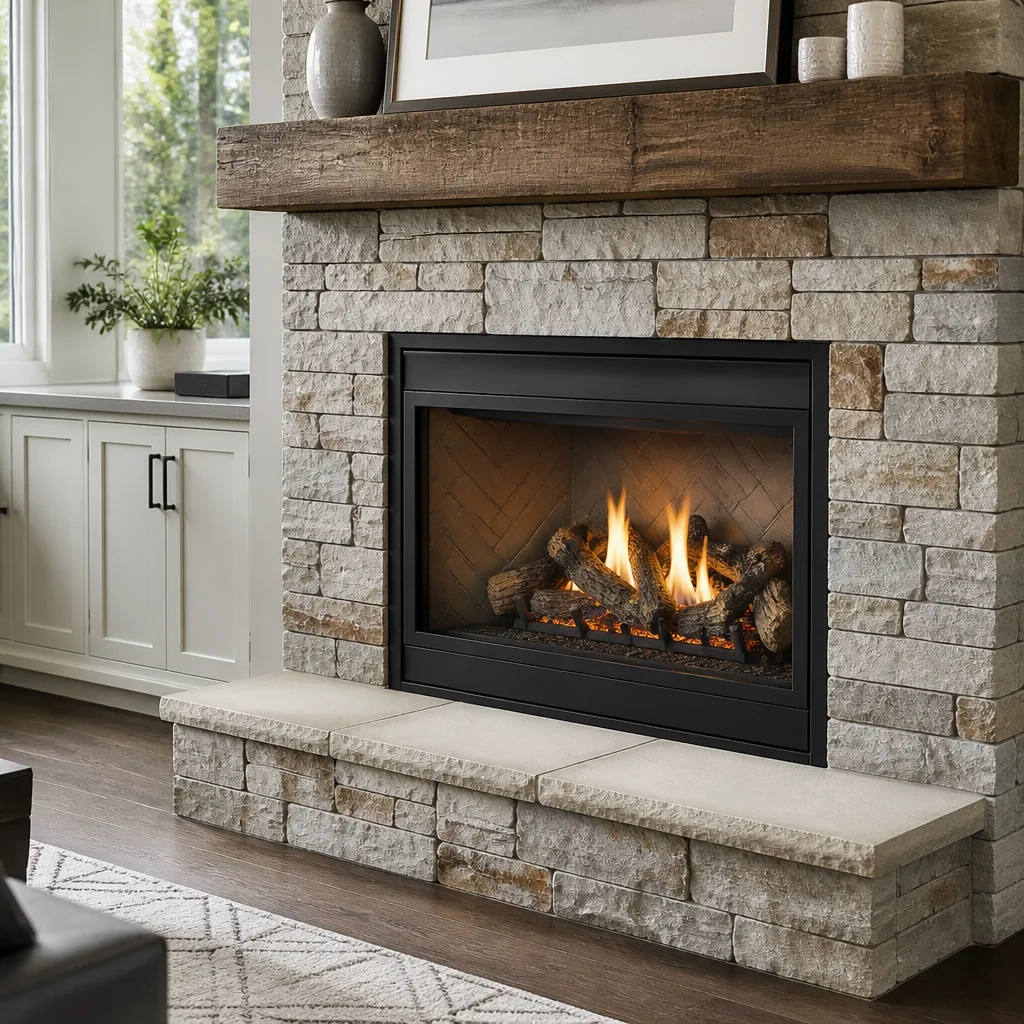 Gas fireplace service
Level 1 sweep and inspection to the NFPA 211 annual standard - flue, crown, cap, and flashing checked and photographed
Chimney sweep logs do not sweep chimneys. They loosen some creosote - which then falls where a brush and vacuum still have to collect it.
Seasonal Chimney Cleaning Care for Ventura: Year-Round Homeowner’s Guide
Most chimney care advice you’ll read online was written somewhere with a hard freeze and a short burn season. That advice doesn’t fit Ventura. Here, the fireplace gets used on cool evenings through winter and into spring, the winds that matter most arrive before the holidays, and the dry months do their own kind of damage to masonry. The riskiest time for a chimney in Ventura isn’t December. It’s the stretch of Santa Ana conditions that builds in October and November, which means your inspection window should open months earlier than the standard fall reminder suggests. This guide walks through the whole Ventura chimney calendar, month by month and season by season, so you know when to clean, what to watch for, and when to leave the system alone.
Quick Answer
The best time to schedule a chimney cleaning in Ventura is August through September, ahead of Santa Ana wind season and the first cool-weather fires, not after them. Inspect once a year, sweep based on how much you actually burn, and check the exterior after every major wind event. Year-round attention to the cap, mortar, and flashing matters as much here as the cleaning itself.
Styles & brands we work with
- Sweep & inspection
- Caps & crowns
- Flue relining
- Masonry repair
- Gas fireplace service
Table of Contents
- Why Standard Fall Chimney Advice Doesn’t Fit Ventura
- The August-September Cleaning Window and Why It’s Optimal
- Marine Layer Moisture and What It Does to Masonry
- Spring Nesting Season and Animal Intrusion
- What to Check After a Santa Ana Wind Event
- How Burn Frequency Sets Your Cleaning Schedule
- Inspection First, Then Cleaning: The Right Order
- Common Mistakes to Avoid
Why Standard Fall Chimney Advice Doesn’t Fit Ventura
Chimney guidance written for cold climates is built around a single danger: a long, hard winter where the flue runs hot for months and creosote builds fast. That model assumes you clean in early fall, right before the first hard freeze, because everything that follows is heavy use. Ventura doesn’t work that way. Winters here are mild, the burn season is longer and more spread out, and the conditions that actually threaten a chimney are tied to wind and dryness more than cold.
What that means for a homeowner in Ventura is that the familiar “clean it in October” reminder lands too late. By the time October arrives, Santa Ana wind events are already in the picture, and a wind-driven ember problem or a loosened cap is a bigger risk than an overdue sweep. The calendar has to shift earlier.
Here’s the mental model we use instead of the four-season one:
- Late summer (August-September): the cleaning and inspection window, before wind season and before cool-weather use picks up.
- Fall (October-November): Santa Ana season, when the exterior gets stressed and ember risk rises.
- Winter (December-February): the heaviest burn period, mild but steady.
- Spring (March-May): nesting season and the start of the marine layer cycle.
- Early summer (June-July): the dry stretch where masonry and mortar cure out and small cracks become visible.
Read the whole guide with that rhythm in mind and the timing stops feeling arbitrary.
The August-September Cleaning Window and Why It’s Optimal
If you take one scheduling rule from this guide, make it this: book your cleaning and inspection in August or September. There are three reasons that window beats every other month, and each one is specific to how Ventura works.
- You get ahead of Santa Ana season, not behind it. Wind events build from October onward. A chimney that’s clean, capped, and inspected before they arrive has a head start. A chimney swept in November is being cleaned after the stress has already hit it.
- The dry months make problems visible. By late summer, the marine layer has thinned and masonry that held moisture through spring and early summer has cured out. Hairline cracks in mortar, flashing that’s pulled away, and gaps at the crown show up now in a way they don’t when everything is damp.
- The cool-weather burn season is about to start. Cleaning before the first steady fires means the flue is clear for the whole season, not cleared halfway through it.
Contrast that with the common habit of waiting until the first cold snap and then calling. That’s when everyone else calls too, and it’s when a busy season compresses every schedule. Booking in late summer also gives you time to plan any repair a sweep uncovers, rather than discovering it the week you want to light the first fire.
A proper chimney sweep in late summer does two things at once: it clears the flue, and it surfaces the condition of the system while you still have weeks of good weather to fix anything found. That combination is why we push the August-September window so hard.
Marine Layer Moisture and What It Does to Masonry
From roughly May through August, the marine layer settles over Ventura and the air holds more moisture than it does the rest of the year. Masonry is porous, and chimneys sit out in that damp air for months. The brick and mortar absorb moisture, hold it, and dry out slowly. That cycle alone doesn’t wreck a chimney, but it accelerates the wear on anything already marginal.
What to watch for as the marine layer clears:
- Efflorescence: a white, powdery stain on the brick or mortar. It’s a sign of moisture moving through the masonry and drying out, leaving salts behind. A little is normal. A lot, or a fresh patch that keeps returning, points to a moisture path that needs attention.
- Spalling: brick faces flaking or popping off. This is the moisture cycle winning. Once spalling starts, the brick is failing, not just stained.
- Soft or crumbly mortar: press gently on a joint with a screwdriver. If it crumbles easily, the mortar has weathered and needs repointing before water gets behind it.
- Rust streaks below the cap: moisture getting into the cap assembly or the flue top and working its way down.
- Gaps at flashing: the point where the chimney meets the roof is always a moisture weak spot. If the flashing has pulled away, water finds its way in regardless of the brick.
Some of what you see after the marine layer clears is cosmetic and can wait. Some of it is the early stage of a repair that gets more expensive the longer it’s ignored. The difference is what an inspection is for, and it’s why the late-summer timing lines up so well: the damage is visible, the weather is dry, and a chimney repair can be done before the next wet cycle.
Spring Nesting Season and Animal Intrusion
Spring is when birds and small animals look for sheltered, out-of-the-way places to nest, and an uncapped or loosely capped chimney is exactly that. In Ventura, the birds that most often end up in chimneys are common cavity-nesters: starlings, sparrows, and the occasional swallow. Squirrels and other small mammals will also take shelter in an open flue if the cap is damaged or missing.
Signs you may have an intrusion:
- Scratching, flapping, or chirping from inside the chimney.
- Twigs, grass, or nesting material falling into the firebox.
- Droppings on the smoke shelf or firebox floor.
- A faint musty or animal smell when the fireplace isn’t in use.
- Birds perching on or around the chimney top repeatedly.
Why removal has to happen first: a nest or animal material in the flue is both a fire hazard and a cleaning problem. Sweeping a chimney with a nest or debris in it just spreads the material around and can pack it into places it doesn’t belong. The correct order is removal, then a full sweep, then a check for damage the occupants may have caused. Nesting material is combustible, so it belongs out before the first fire of the season, not left until the fall cleaning.
If you’ve had a nesting problem, it’s worth having the cap examined at the same time. A cap that’s loose, bent, or missing a screen is an invitation that repeats every spring. Fixing it once is the whole point.
What to Check After a Santa Ana Wind Event
Santa Ana winds are the single biggest stressor on a Ventura chimney, and they show up in the fall. They’re gusty, dry, and persistent, and they test the exterior of the chimney every time they run. After a significant wind event, a short visual check can catch the damage before it turns into a repair.
Take a walk outside and look at these four things, in this order:
- Cap displacement. Is the cap sitting level, or has it shifted, tilted, or lifted? A cap that moves can lose its spark screen and open the flue to debris, birds, and wind-driven embers. If it looks off, don’t use the fireplace until it’s checked.
- Mortar cracking. Scan the joints between bricks on the visible exterior. New cracks after a wind event are normal weathering, but a crack that runs through a joint or widens toward the top of the stack is a sign to have it looked at.
- Flashing separation. Look where the chimney meets the roof. If the metal flashing has pulled back, lifted, or shows daylight, the seal is compromised. Water gets in there regardless of how good the masonry is.
- Brick movement or debris at the base. Fresh brick fragments, mortar crumbs, or anything that fell off the stack landing on the roof or ground below is worth noting.
Wind events also carry embers, and that’s where the cleaning window pays off. A clean flue and a proper cap with an intact screen reduce the risk that a wind-borne ember finds its way onto combustible material. This is why we tie the two together: the August-September cleaning protects you through the October-November wind season. For homeowners in hillside parts of Ventura where wind exposure runs higher, the case for early timing is even stronger.
How Burn Frequency Sets Your Cleaning Schedule
Not every Ventura homeowner needs an annual sweep. The honest answer to “how often” depends on how much you actually burn, and the way to know that is to track it. Creosote, the tar-like residue that builds up in a flue, accumulates in proportion to use and to how hot the fire runs. A chimney used a few nights a month is a different chimney from one that sees a fire most evenings through winter.
Before you call for a sweep, check what your flue needs. A rough glide of the throat or the visible portion of the flue is a quick visual indicator only; it does not replace a professional assessment. For a real read, the flue needs a proper look. In general, the common guidance chimney professionals use lines up like this:
- Regular use (fires several times a week through the season): inspect and sweep once a year, ideally in late summer.
- Occasional use (a few fires a month, or just on cool evenings): inspect annually, but a sweep may not be needed every year depending on what the inspection shows.
- Rare use (a handful of fires per season): inspect every year or two, and sweep when the inspection calls for it.
Keeping a simple log helps: note each date you had a fire and roughly how long it burned. After one season you’ll have a real number instead of a guess. That number is what tells you whether an annual sweep or an every-two-years schedule is right for your home, and it takes the guesswork out of the inspection conversation.
Inspection First, Then Cleaning: The Right Order
We inspect first and recommend second. That order matters, and it’s the main reason we offer inspection as its own service rather than as a checkbox on the way to a sweep. A sweep without a look at the system is a cleaning, not an assessment. You want to know the condition of the flue, the firebox, and the exterior before anyone starts moving a brush through it.
A professional inspection covers:
- The flue interior, top to bottom, including the smoke chamber and shelf.
- The firebox and its lining, checking for cracks and gaps.
- The damper, making sure it opens and closes and seals.
- The cap and spark screen for condition and fit.
- The exterior masonry, crown, and flashing.
- The firebox and flue for signs of glazed creosote or other heavy buildup.
What an inspection should give you is a clear picture in plain language: what’s fine, what can wait, and what needs attention now. That last category is the only one that should ever come with urgency. If the firebox or flue lining is deteriorating, that’s where a restoration material like HeatShield comes in, and it’s a repair most sweep-only operations can’t offer. The right liner, the right repair, done once, is the goal. A proper liner from a professional line like DuraFlex is built for the job and lasts; a mismatched repair just postpones the problem.
An inspection also matters when you’re buying a home with a fireplace. A condition report before closing is one of the more useful things a buyer can ask for, and it’s an inspection, not a cleaning. That distinction is exactly why we keep inspection available on its own.
Common Mistakes to Avoid
- Waiting until the first cold snap to call. That’s when everyone calls and the September window is gone. By then you’re cleaning after Santa Ana season has already tested the system, not before. Book in late summer instead.
- Sweeping without inspecting. A cleaning that skips the system check leaves the important questions unanswered: the flue lining, the firebox, the cap, the flashing. Inspect first, then clean based on what’s found.
- Ignoring a nesting problem until fall. Spring nests left in the flue through summer can damage the liner and stay a fire risk into the burn season. Remove them, inspect for damage, and check the cap in spring, not fall.
- Skipping the post-wind-event check. A tilted cap or a separated flashing piece after a Santa Ana event is easy to miss from the ground and easy to fix early. A visual exterior check after major wind is one of the highest-value habits on this list.
- Assuming annual cleaning is mandatory. Frequency should track how much you actually burn, not a fixed rule. Track your fires and let the inspection results set the schedule.
- Using hardware-store repair materials on a real fireplace problem. Flue liners and firebox restorations need to be rated for the job. That’s why we work with professional lines like HeatShield and DuraFlex, not general retail substitutes.
- Waiting to clean out glazed creosote until it’s hardened. Heavy creosote is a fire hazard, and it can’t always be brushed off once it’s glazed. A late-summer sweep catches it while it’s still manageable. If you see glazing or a heavy tar layer, treat it as a call-now item.
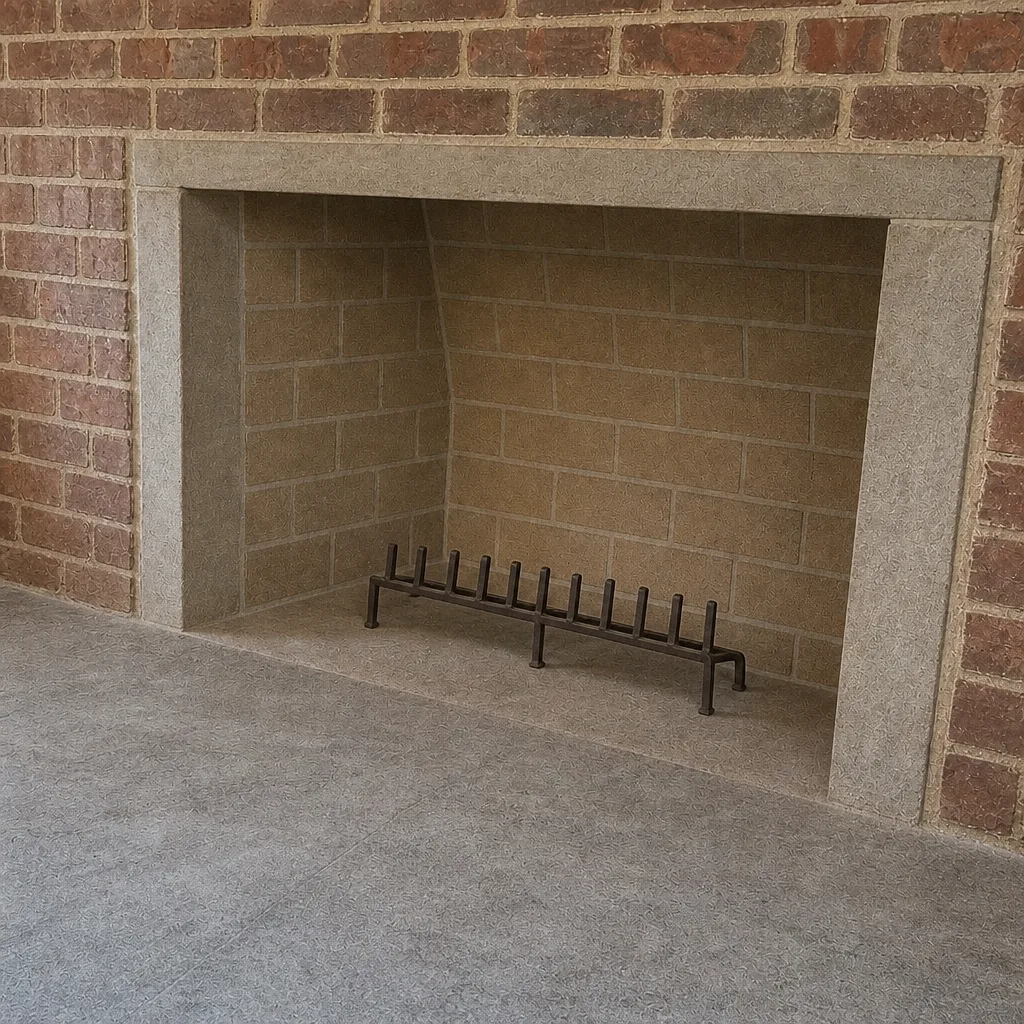
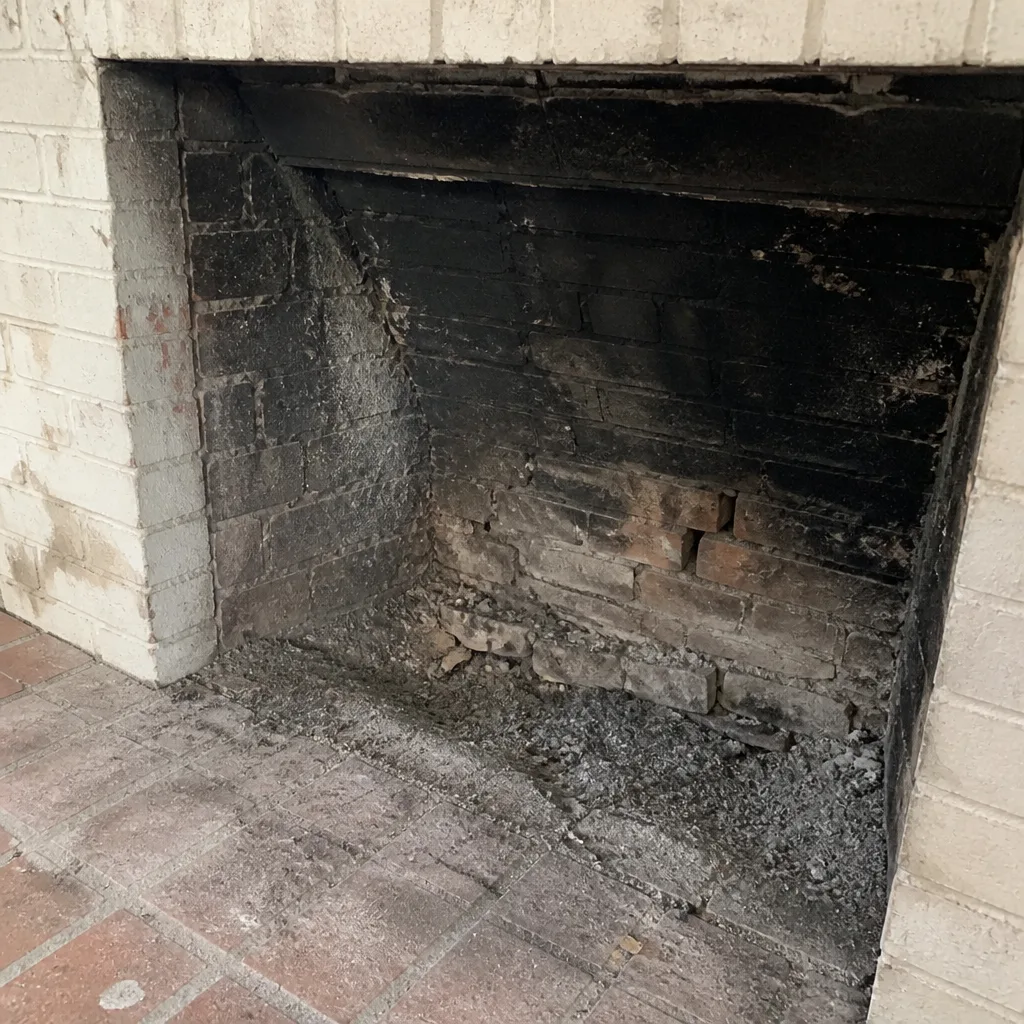
See the difference
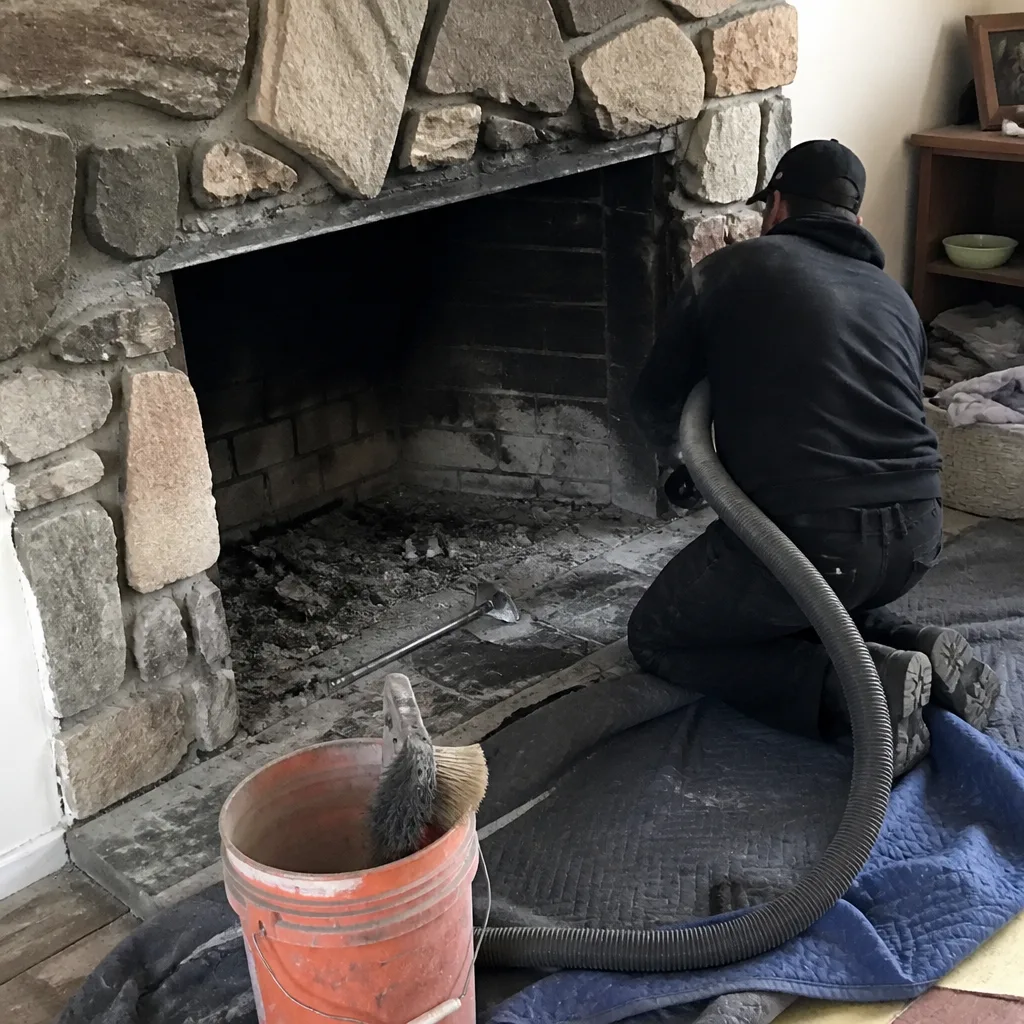 Before
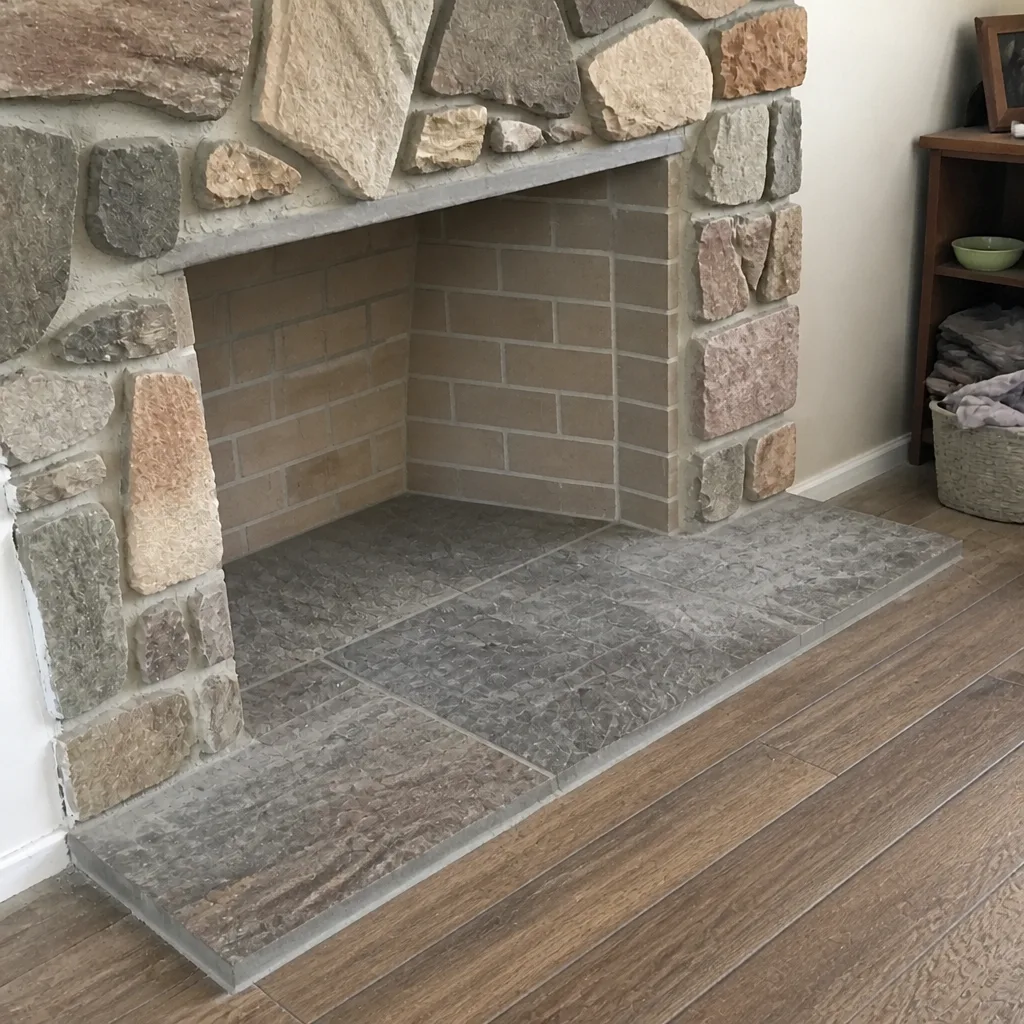 After
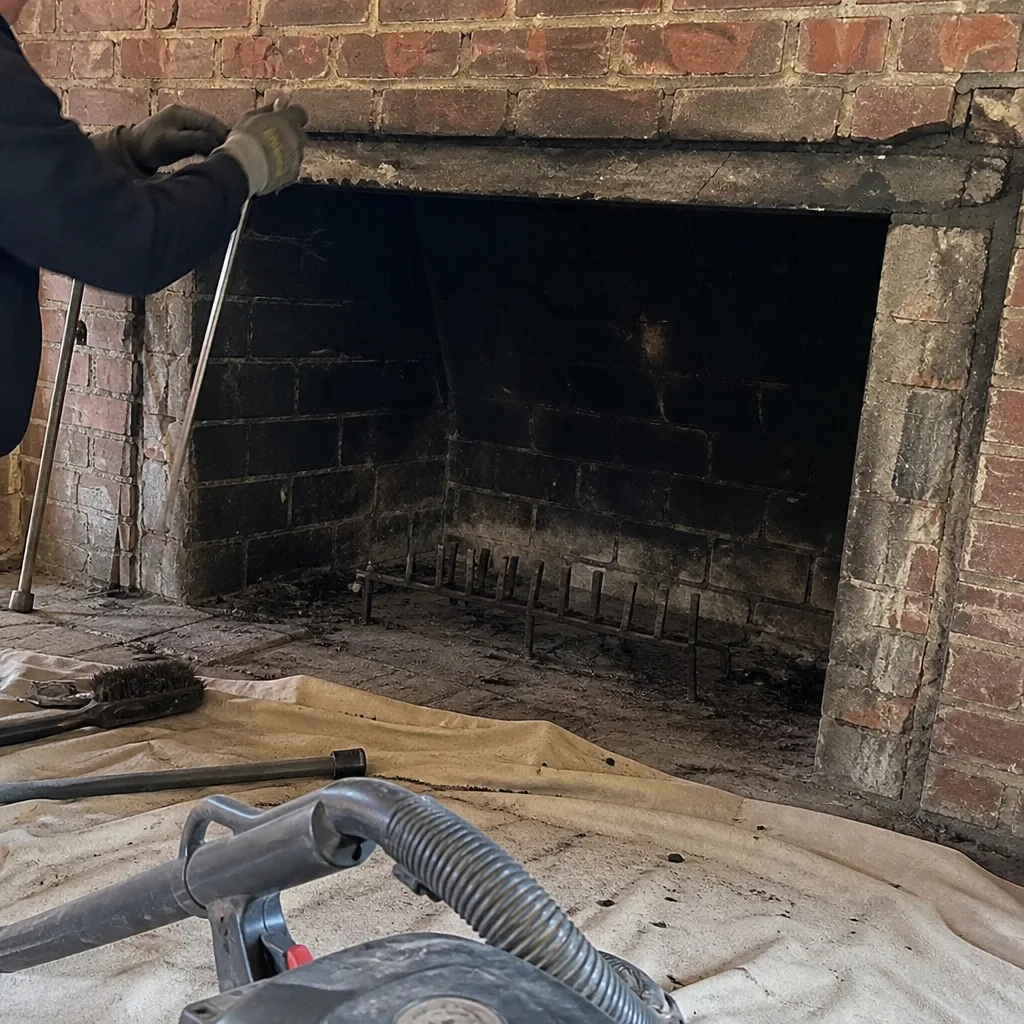 Before
 After
 Before
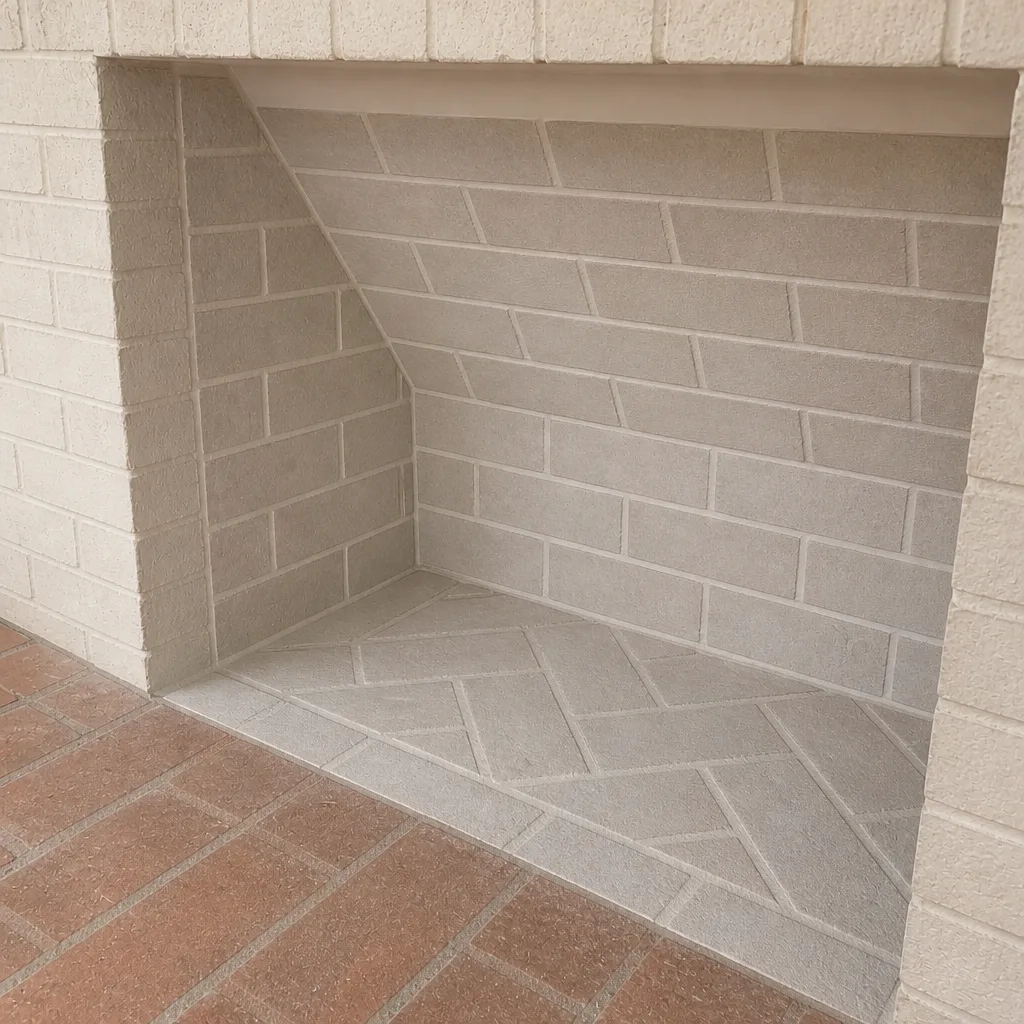 After
When to Call a Professional
Some of this calendar work is homeowner-level: the visual checks, the burn log, the post-wind walk around the exterior. The rest needs a trained eye and the right tools. Call a professional if you’ve never had your system inspected, if it’s been more than a year since the last inspection, or if you just bought a home with a fireplace. Call sooner if you see glazed creosote, flaking brick, a shifted cap, animal activity, or smoke backing up into the room. Call before the first fire after a spring nesting issue, and call after any Santa Ana event that visibly shifted or damaged the exterior.
Ventura Chimney Cleaning offers free estimates in Ventura. Call (855) 939-0327. Our technicians have up to 11 years of experience, and we handle the sweep, the repair, and the inspection from one company, so you’re not coordinating three different contractors. We answer 24/7, with fast dispatch from 7am to 7pm, Sunday through Friday.
Frequently Asked Questions
Book it in August or September, ahead of Santa Ana wind season and the start of cool-weather fires. That window makes problems visible before the dry winds stress the exterior, and it gives you time to plan any repair. Call (855) 939-0327 for an exact quote, and estimates are free.
Most chimney sweeps in Ventura are priced per job by a written estimate, and the estimate sets the final price. We can’t give a precise number without seeing your system, because the scope depends on flue condition and burn history. The estimate itself is free. Call (855) 939-0327 for an exact quote.
Only if the inspection shows the current one is cracked, deteriorated, or lined with the wrong material for your heat source. A proper liner from a professional line like DuraFlex is built for the flue, and the goal is to do it once, right. Nothing gets recommended without inspection evidence you can see for yourself. Call (855) 939-0327 for an exact quote.
You can do a visual exterior check and keep a burn log, and we encourage both. What you can’t safely do is a proper flue inspection or removal of heavy creosote, and the system check needs a trained eye. Call (855) 939-0327 for an exact quote, and estimates are free.
Walk outside and check the cap, the mortar joints, the flashing where the chimney meets the roof, and the base for fresh debris. If anything looks off, have it inspected before you use the fireplace again. Wind can shift a cap or open a flashing seal in a single event. Call (855) 939-0327 for an exact quote.
That’s efflorescence, salt left behind as moisture moves through the masonry and dries out. A light amount is normal in Ventura’s spring and summer damp. A fresh patch that keeps returning, or brick faces flaking, points to a moisture path that needs attention. Call (855) 939-0327 for an exact quote, and estimates are free.
The Bottom Line
The Ventura chimney calendar runs on wind and moisture, not a hard freeze. Schedule your cleaning and inspection in August or September, ahead of Santa Ana season. Inspect once a year and sweep based on how much you actually burn. Handle nesting in spring, watch the masonry as the marine layer clears, and check the cap, mortar, and flashing after major wind events. Year-round attention beats any single fall appointment. We’re a chimney-only specialist, and we handle the full cycle of inspection, cleaning, and repair from one company. Call (855) 939-0327 for a free estimate. We answer 24/7, with fast dispatch from 7am to 7pm, Sunday through Friday.
Written by the team at Ventura Chimney Cleaning.