
Last updated November 16, 2026
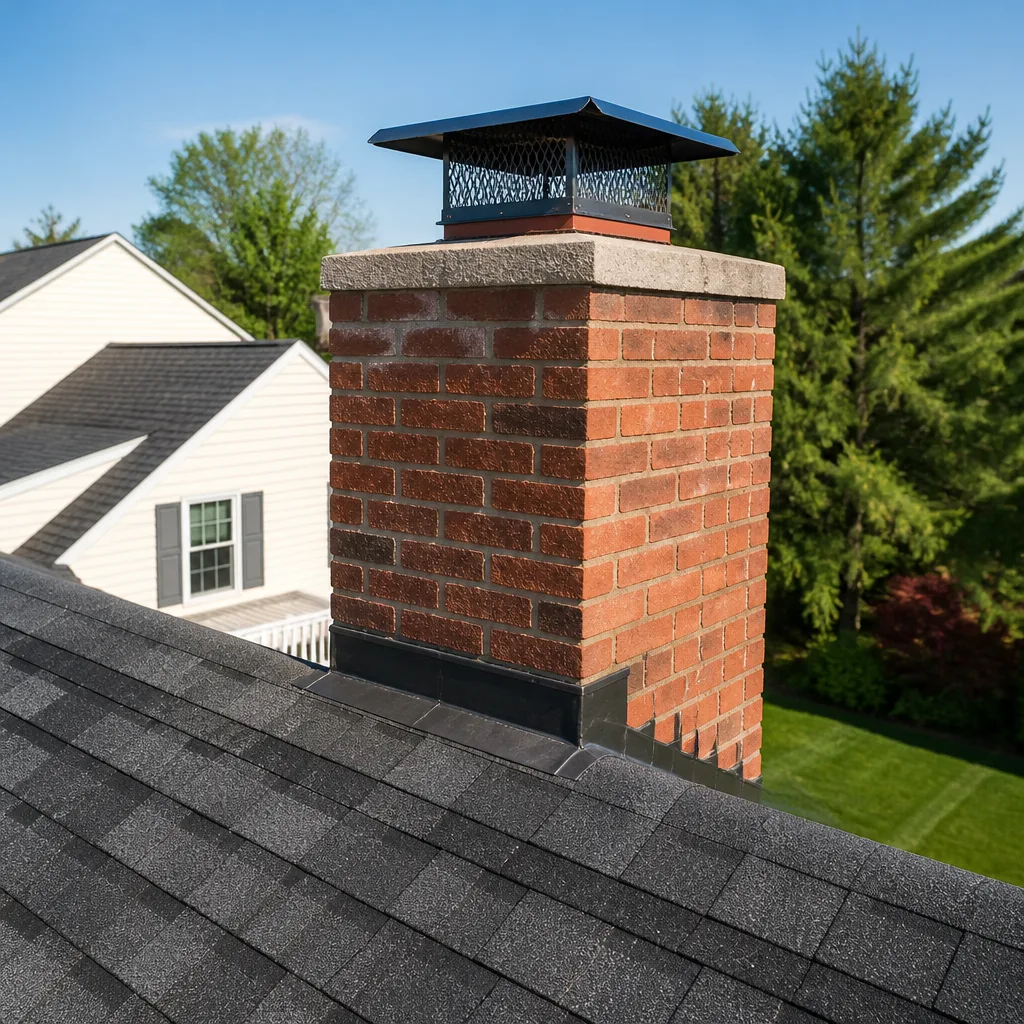 Sweep & inspection
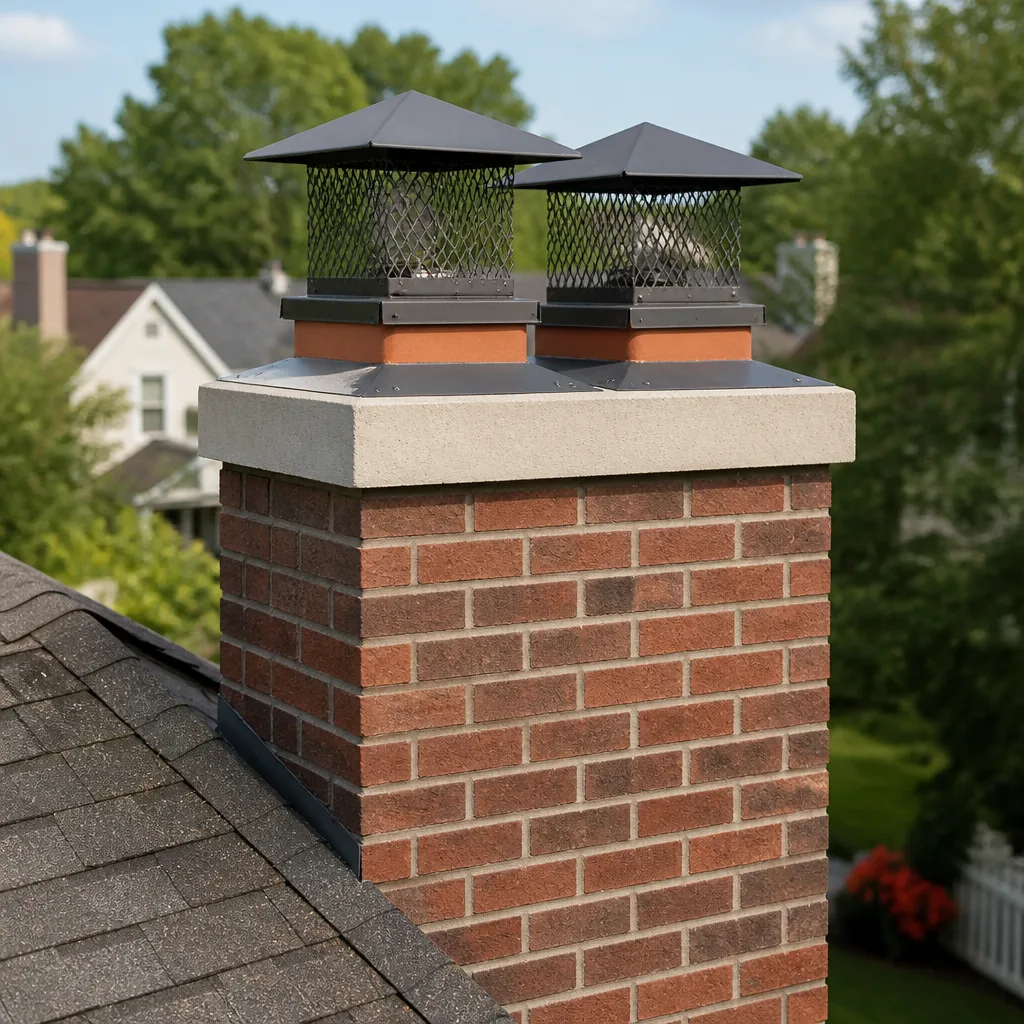 Caps & crowns
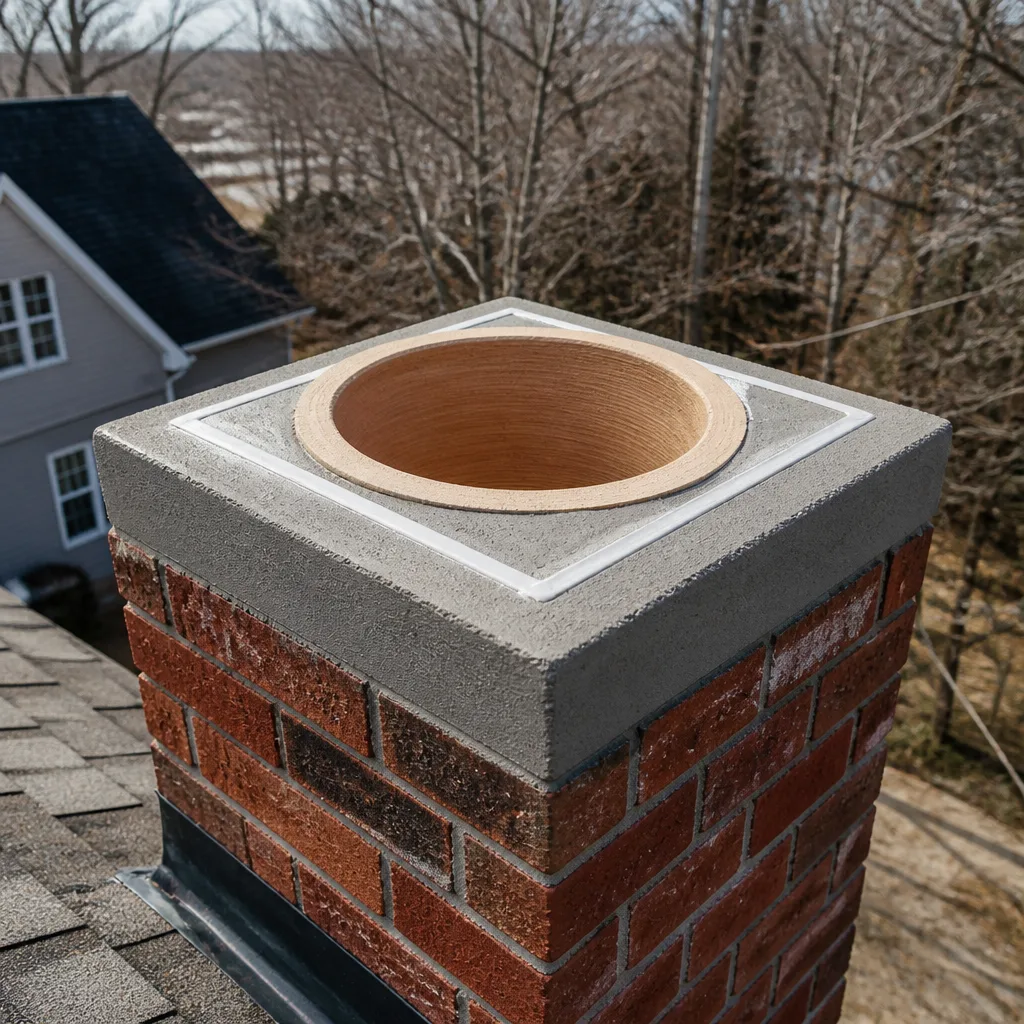 Flue relining
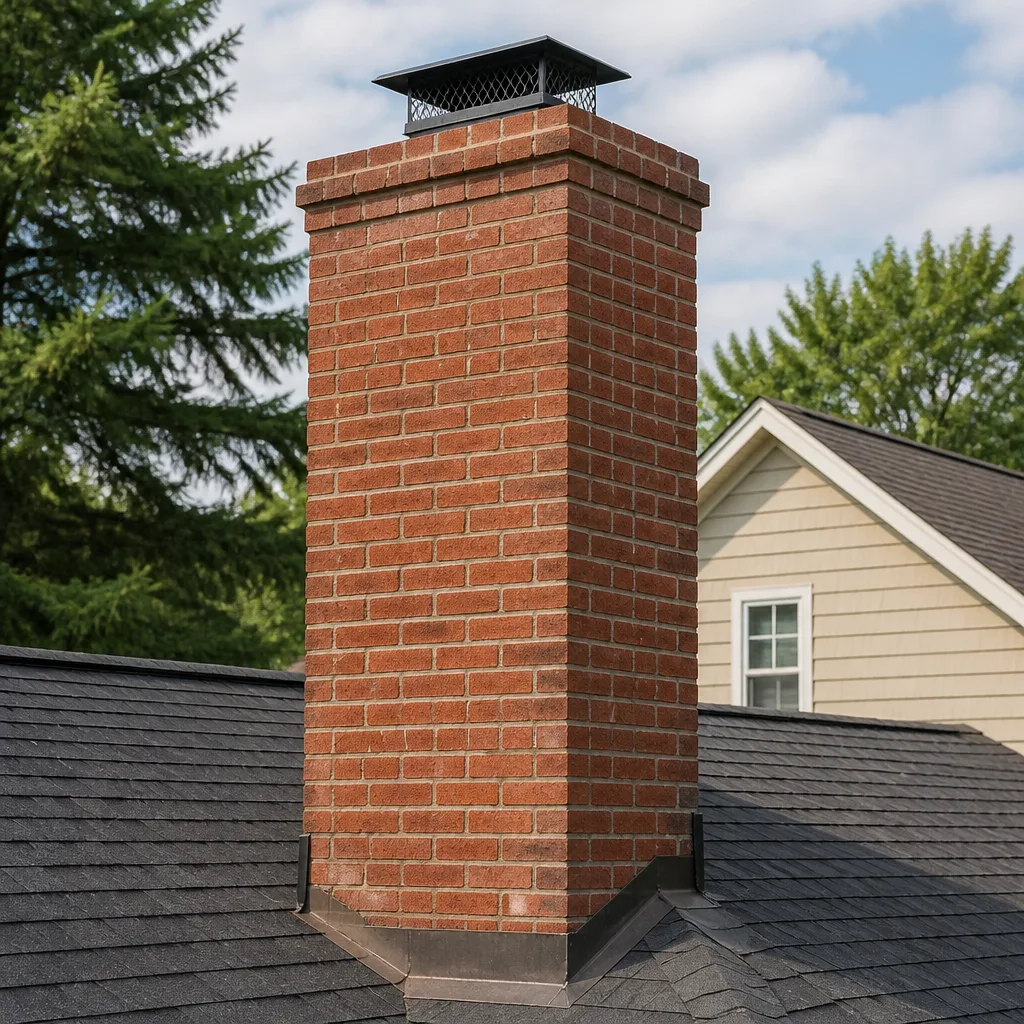 Masonry repair
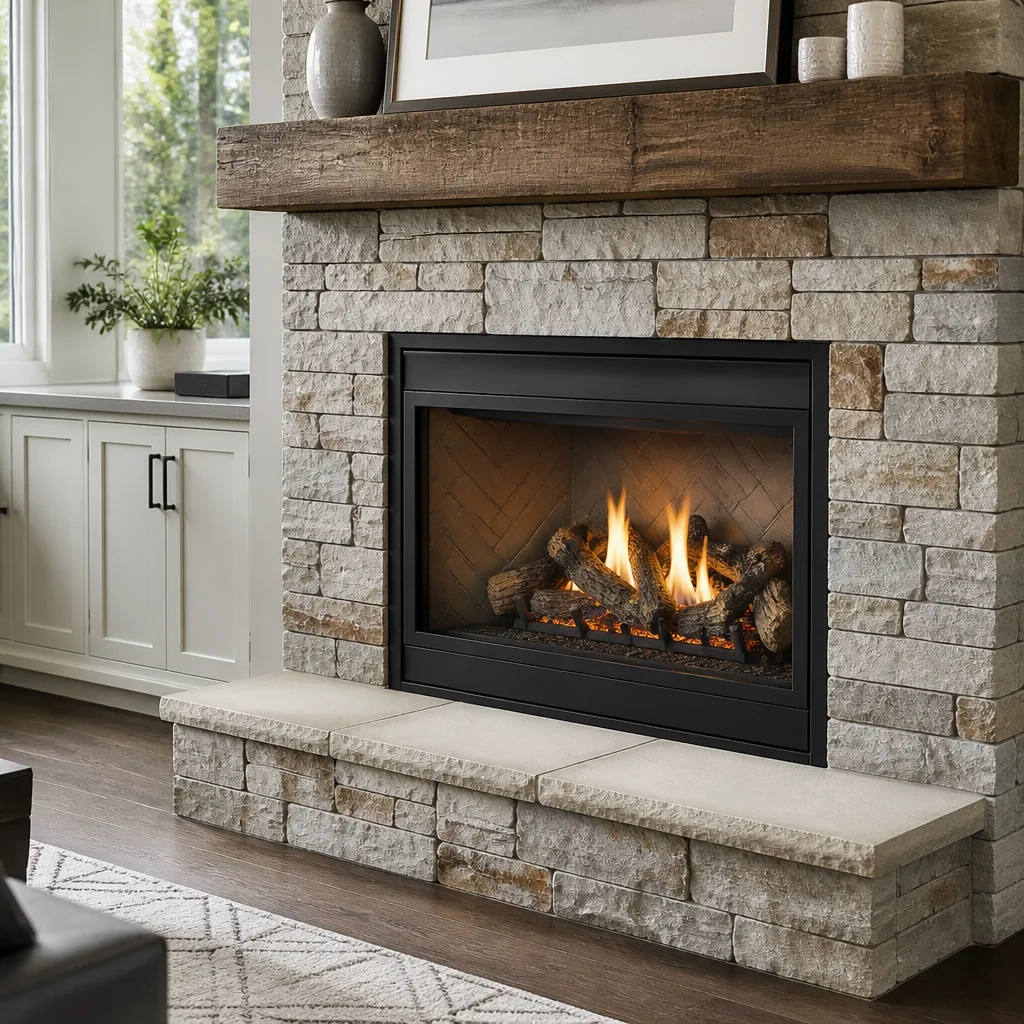 Gas fireplace service
Level 1 sweep and inspection to the NFPA 211 annual standard - flue, crown, cap, and flashing checked and photographed
Chimney sweep logs do not sweep chimneys. They loosen some creosote - which then falls where a brush and vacuum still have to collect it.
Chimney Cleaning Permits, Codes & Inspections in Ventura, CA: What You Need to Know
Homeowners are sometimes told permits aren’t needed for chimney work. That’s true for cleaning, and false for most structural repairs. The confusion is understandable, because the two get bundled together in casual conversation, and the difference between them is exactly where liability starts. When a liner replacement or a firebox rebuild happens without a permit, it can sit quietly for years and then surface during a home sale, an insurance claim, or a post-fire investigation. This guide maps where the permit line actually falls in Ventura, which code sections govern solid-fuel appliances, what a Level 2 inspection is for, and how to resolve unpermitted chimney work before it becomes someone else’s problem.
Quick Answer
Chimney cleaning does not require a permit in Ventura, but the structural repairs that typically follow an inspection usually do. Liner replacement, firebox reconstruction, and any change to the chimney’s structure or venting are permit-required work under City of Ventura building rules and California Residential Code provisions for solid-fuel appliances. Cap replacement and flashing sealant are generally treated as maintenance. A Level 2 inspection is the standard called for at a real estate transaction under NFPA 211, and it’s what buyers and their agents use to establish condition before closing.
Styles & brands we work with
- Sweep & inspection
- Caps & crowns
- Flue relining
- Masonry repair
- Gas fireplace service
Table of Contents
- Where does the permit line fall for chimney work in Ventura?
- What does the California Residential Code require for solid-fuel appliances?
- How do Ventura County fire codes interact with chimney maintenance?
- What is a Level 2 inspection, and why does it matter at sale?
- What happens at escrow when chimney repairs were done without permits?
- How do you resolve unpermitted chimney work?
- How do you choose a chimney contractor who handles permits correctly?
- What does a compliant chimney job actually look like, step by step?
Where Does the Permit Line Fall for Chimney Work in Ventura?
The permit line is not about how big the job feels or how much it costs. It’s about whether the work changes the chimney system itself: its structure, its venting, or the components that carry combustion byproducts out of the house. Cleaning doesn’t touch any of that. Replacement and reconstruction do. That’s the dividing line, and it holds whether the home is a mid-century ranch near the Ventura Avenue corridor or a newer build up in the hills east of downtown.
Here’s roughly how the work breaks down:
- Typically no permit required: a routine chimney sweep, a Level 1 or Level 2 inspection, cap replacement, and flashing sealant.
- Typically permit-required: flue liner replacement, firebox reconstruction or relining, chimney chase structural repairs, changes to the venting configuration of a wood-burning appliance, and installation of a new solid-fuel appliance or insert.
- Case-by-case: crown repair, masonry repointing, and damper replacement. These depend on scope and how the local building department reads the job. When in doubt, a call to the City of Ventura building department settles it before any work starts.
We always recommend confirming directly with the city rather than relying on a contractor’s assurance alone. Permit requirements can shift, and a contractor’s verbal “you don’t need one” carries no weight at escrow. The person who owns the property is the one who inherits the problem, so confirming the requirement yourself is worth the phone call. A written permit record is what protects you, not a promise.
One practical detail worth knowing: the permit is usually pulled by whoever performs the work, and it should be pulled before the work is done, not after. A permit taken out retroactively for work already completed is possible in some circumstances, but it’s more expensive, more invasive, and sometimes refused. Doing it in order the first time is simpler for everyone involved.
What Does the California Residential Code Require for Solid-Fuel Appliances?
The California Residential Code governs how solid-fuel appliances like wood stoves, fireplaces, and inserts must be installed and vented. The provisions that come up most often in chimney work concern clearances to combustible material, listed and labeled venting components, hearth extension requirements, and the requirement that the appliance and its venting be installed per the manufacturer’s listing instructions. What this means in practice is that a code-compliant installation is one where the components are matched to the appliance, the clearances are maintained, and there’s a paper trail: the manufacturer’s listing, the permit, and the inspection sign-off.
A compliant chimney system in Ventura has a few recognizable features:
- Listed venting components. The liner and connector pipe carry the manufacturer’s listing for the appliance type. Generic hardware-store substitutes don’t qualify, which is why we work with professional-grade lines like DuraFlex and HeatShield rather than whatever’s on the shelf.
- Correct clearances. The chimney and any connector maintain the minimum clearance to combustibles that the listing and code require. Encroaching insulation or a replaced roof deck can quietly violate this.
- Proper hearth and protection. The hearth extension and any required floor protection are in place and undamaged.
- Matched components. The liner, cap, and appliance all belong to the same system and are compatible.
None of these are glamorous. They’re the details an inspector checks and a buyer’s agent later asks about. In our experience, the most common code failures we find in Ventura are liner systems that were swapped for unlisted flexible pipe, appliances installed without permits, and clearances compromised during a remodel. Each of those can be corrected, but each is easier and cheaper to correct before the house changes hands.
How Do Ventura County Fire Codes Interact With Chimney Maintenance?
Fire codes and building codes do different jobs, and chimney work sits at the overlap. The building code governs how the system is constructed and vented. Fire codes and the standards they reference address ongoing maintenance and the conditions that create fire risk. For a wood-burning appliance, the maintenance piece is largely about creosote. Creosote is the residue that accumulates inside the flue as smoke cools, and in its harder forms it’s combustible. A heavily loaded flue is one of the recognized causes of chimney fires, and the standard maintenance answer is to have the chimney inspected and swept on a regular schedule so the accumulation doesn’t get ahead of you.
Ventura’s climate plays into this in a specific way. Winters here are mild, which means many households burn intermittently rather than continuously. Short, hot fires followed by long idle periods can produce more creosote than steady burning, because the flue never fully warms up and smoke cools on the walls. A homeowner who uses the fireplace “only on the cold nights” may actually need more frequent sweeps than someone who burns steadily.
Fire codes also matter for appliance installation and for any change to the venting. A new insert or a changed flue has to satisfy both the building and fire sides, and the local fire authority may have its own requirements for the installation and for clearance to structures. If you’re unsure what applies, ask the Ventura County Fire Department directly, or ask us and we’ll point you to the right question to bring to them. What we won’t do is tell you a fire code requirement has been satisfied when we haven’t seen it confirmed.
The practical takeaway: fire codes are a reason to keep up with maintenance and inspections, not a substitute for building permits on structural work. You need both.
What Is a Level 2 Inspection, and Why Does It Matter at Sale?
A Level 2 inspection is the level of inspection that NFPA 211 calls for when a property changes hands, when an appliance or venting system is changed, or after an operating malfunction or chimney fire. It’s more thorough than a Level 1 (which is a visual check of the readily accessible parts), because it includes the accessible attic and crawl spaces, and it typically uses a camera to examine the interior of the flue. It’s also the level most real estate transactions rely on to establish the condition of the chimney before closing.
What a Level 2 inspection actually records:
- The exterior of the chimney. Masonry condition, crown, cap, flashing, and any visible movement or cracking.
- The firebox and damper area. Joints, refractory material, and damper operation.
- The flue interior. Video camera inspection to look for gaps, cracked tiles, failed liner joints, and blockages.
- Accessible attic and crawl spaces. Where the chimney passes through, and clearances to combustibles along the way.
- The appliance connection. How the appliance connects to the venting and whether that connection is listed and secure.
Local inspectors don’t usually verify the flue interior during a general home inspection. Their scope is the visible house, and a camera down the flue is outside it. That’s why a Level 2 by a chimney specialist is asked for separately, and it’s why the report matters. We provide a camera inspection and a photo report as part of the chimney repair and inspection process, so the homeowner and the buyer’s agent see the same evidence. Nothing is recommended without camera evidence you can look at yourself.
What Happens at Escrow When Chimney Repairs Were Done Without Permits?
When unpermitted chimney work turns up during a real estate transaction, it becomes a negotiation problem, and sometimes a liability problem. The buyer’s inspection or their Level 2 report flags the issue, the seller has to disclose it, and the deal either gets renegotiated or stalls. In the worst cases, the repair is deemed structural, the lender won’t lend until it’s corrected, and the seller is paying for a permit and possibly remediation on a compressed timeline. The number that gets thrown around as “thousands at escrow” is real, but the exact figure depends on the scope of the work and how it was done.
The scenarios that come up most often:
- The liner was replaced without a permit. The buyer’s inspector opens the flue and finds a liner that isn’t listed for the appliance or was installed without the correct clearances. The seller has no permit record, so the work has to be re-inspected and often redone.
- A firebox was rebuilt without a permit. The repair might be perfectly sound, but with no permit and no inspection sign-off, the buyer’s lender treats it as undocumented structural work.
- An appliance was installed without a permit. A wood stove or insert that was never signed off is a common finding, and it’s also a common reason a sale gets delayed.
The resolution usually runs through a permit taken out after the fact, an inspection by the city, and sometimes corrective work to bring the system into compliance. It’s doable, but it’s much easier to do before you list than during a rushed closing. If you’re selling in Ventura and you know or suspect the chimney work wasn’t permitted, get the inspection and the permit conversation moving early. It’s not a pleasant conversation, but it’s far less expensive than the alternative.
How Do You Resolve Unpermitted Chimney Work?
Unpermitted chimney work gets resolved in a fairly predictable order. It starts with an honest assessment of what’s actually there, then moves to the permit office, then to the work, then to the inspection. The order matters, because going in with a clear picture of the system saves you from pulling permits for work that doesn’t need it or, worse, missing the part that does.
- Get a Level 2 inspection first. A camera inspection with a photo report establishes exactly what’s present: the liner type, the appliance connection, clearances, and whether the firebox is intact. This is the evidence base for everything that follows.
- Identify what was done and what code requires. Compare the current condition against the code requirements for that appliance and venting. This tells you whether the work was compliant but undocumented, or actually non-compliant.
- Talk to the City of Ventura building department. Ask what the department requires for a retroactive permit on this scope of work. Some corrections can be permitted retroactively; others require partial removal to inspect concealed work.
- Have any corrective work done by a licensed chimney specialist. If the liner needs to be replaced or the firebox relined, that work should be done with listed, professional-grade materials, using brands like HeatShield for firebox and liner restoration where that’s the right method.
- Get the inspection sign-off and keep the paperwork. The permit record and the final inspection are what satisfy a buyer’s lender and the closing process. Keep them with your home records.
One thing worth hearing plainly: unpermitted work isn’t automatically dangerous. A liner installed without a permit can still be a perfectly good liner. But the system has to be checked, and the record has to exist, because otherwise you won’t know whether the work was sound, and neither will anyone you try to sell the house to. Getting it resolved is usually less painful than the uncertainty.
How Do You Choose a Chimney Contractor Who Handles Permits Correctly?
The contractor you choose determines whether the permit question gets handled or buried. A chimney-only specialist will bring it up before work starts, tell you which parts of the job are permit-required, and pull the permit themselves. A generalist who squeezes chimney work in between other jobs is more likely to treat the permit as optional, because it’s a hassle on a job that isn’t their main trade. This is the practical reason we recommend hiring a chimney specialist: the permit question is part of the trade, not an afterthought.
What to look for:
- Chimney specialization. The company should do chimney sweep, chimney repair, and chimney inspection as its primary work, not as an add-on to HVAC, roofing, or plumbing.
- Willingness to discuss permits up front. Ask point-blank: “Will this job require a permit, and will you pull it?” A good answer is specific, not vague.
- Professional-grade materials. Ask what brand of liner and what brand of firebox repair system they use. DuraFlex, HeatShield, Gelco, Olympia Chimney, Famco, and Copperfield are the kinds of brands a professional chimney operation relies on, and a contractor who can name them is working with real supply-chain relationships rather than hardware-store substitutes.
- Inspection offered independently. You should be able to get a condition report without being pressured into bundled work. Inspect first, recommend second.
- Written estimate. The price should be set per job by a written estimate, so you know what the permit-required work costs before anyone starts.
One more point. A contractor who tells you “you don’t need a permit” for a liner replacement hasn’t necessarily checked. That’s a common shortcut, and it’s exactly how sellers end up with unpermitted work at closing. Ask them to confirm with the building department in writing, or confirm it yourself.
What Does a Compliant Chimney Job Actually Look Like, Step by Step?
A compliant chimney job in Ventura follows a predictable sequence, and it’s the same whether the job is a routine sweep or a full liner replacement. The sequence protects the homeowner because each step produces a record. Here’s the full cycle from first call to final inspection:
- Inspection and assessment. A Level 1 or Level 2 inspection establishes the condition of the system. Camera footage and photos are captured.
- Scope and permit determination. Based on the inspection, the required work is scoped. Any permit-required portion (liner, firebox, appliance change) is identified.
- Permit pulled by the contractor. The permit is pulled by the responsible party before work starts, and the scope of the permit matches the scope of the work.
- Written estimate. The cost is set per job by a written estimate, so the homeowner knows what they’re approving before the work begins.
- Sweep or repair. The work is performed with professional-grade materials matched to the appliance and the code requirement. A liner replacement uses a listed liner system from a professional supplier; a firebox or liner restoration uses a system like HeatShield where that’s the correct repair method.
- Self-check and documentation. The contractor verifies the work, and documentation is provided to the homeowner. The written estimate and permit record are kept for the home file.
- Final inspection sign-off. Where a permit was required, the City of Ventura inspection is completed and signed off. That sign-off is what a future buyer’s lender will look for.
The pattern is the same at every step: the work gets documented, the permit gets pulled, and the record exists. That’s what makes the difference at escrow. And it’s why the inspection comes first, before any recommendation about repairs. If you’re starting the process and you want the inspection on its own, that’s exactly how we offer it.
Common Mistakes to Avoid
- Assuming cleaning and repair are on the same side of the permit line. They aren’t. Cleaning is maintenance and doesn’t require a permit; structural repair usually does. Treating them as one category is how homeowners get surprised at sale.
- Letting a contractor talk you out of a permit. “You don’t need one for that” is a sentence to verify with the building department, not to accept. The person who owns the house inherits the liability.
- Pulling the permit after the work is done. Retroactive permits exist, but they’re more expensive and sometimes refused. Pull it before the job.
- Treating a Level 1 inspection as a Level 2. A visual check doesn’t look down the flue with a camera, and it doesn’t catch liner gaps. If you’re selling or you’ve had a chimney fire, you need Level 2.
- Skipping maintenance in a mild-winter climate. Intermittent burning in Ventura can produce more creosote than steady burning. The mild climate doesn’t mean less maintenance; it can mean more frequent attention.
- Replacing a liner with hardware-store pipe. An unlisted liner isn’t a compliant liner, even if it’s the right size. Ask what brand is being installed and whether it’s listed for your appliance.
- Ignoring the permit record during a sale. Buyers and lenders look for the final inspection sign-off, not just the contractor’s word. Keep the paperwork with your home records.
See the difference
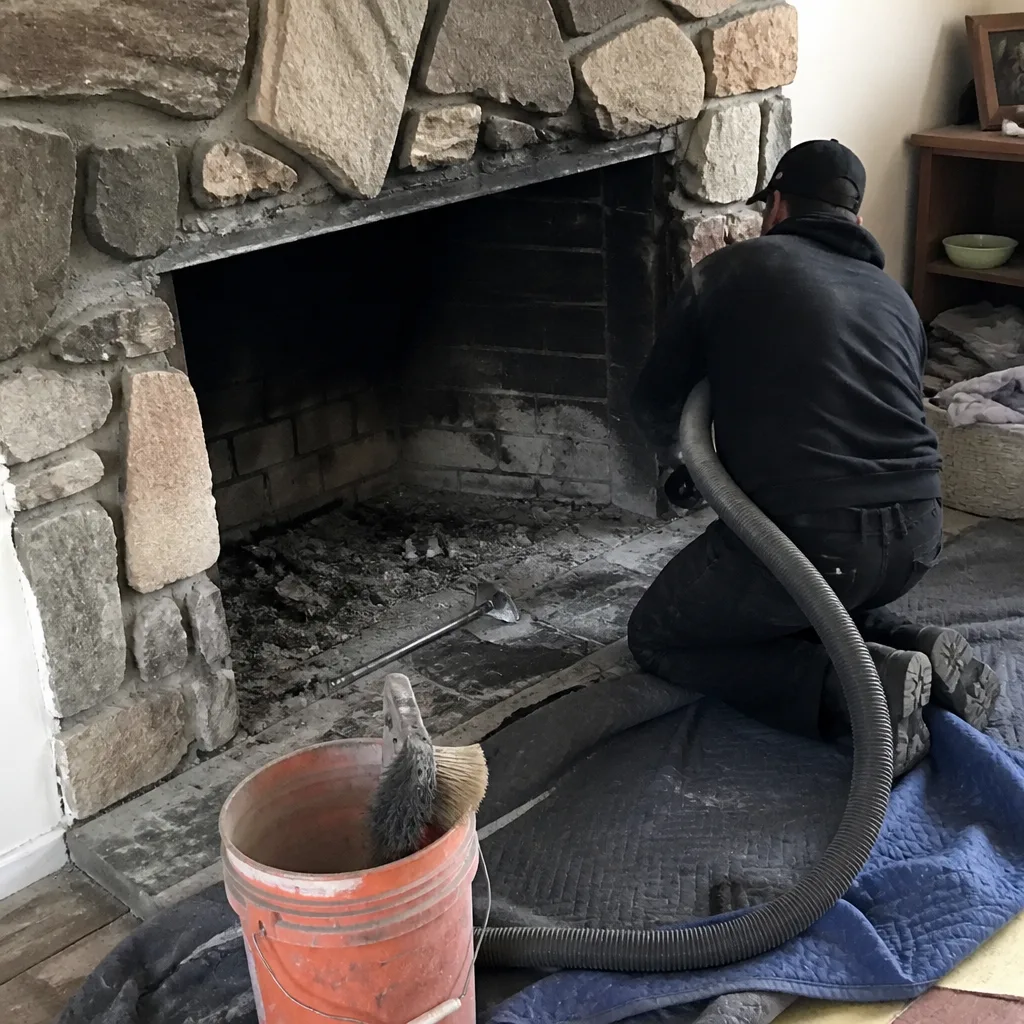 Before
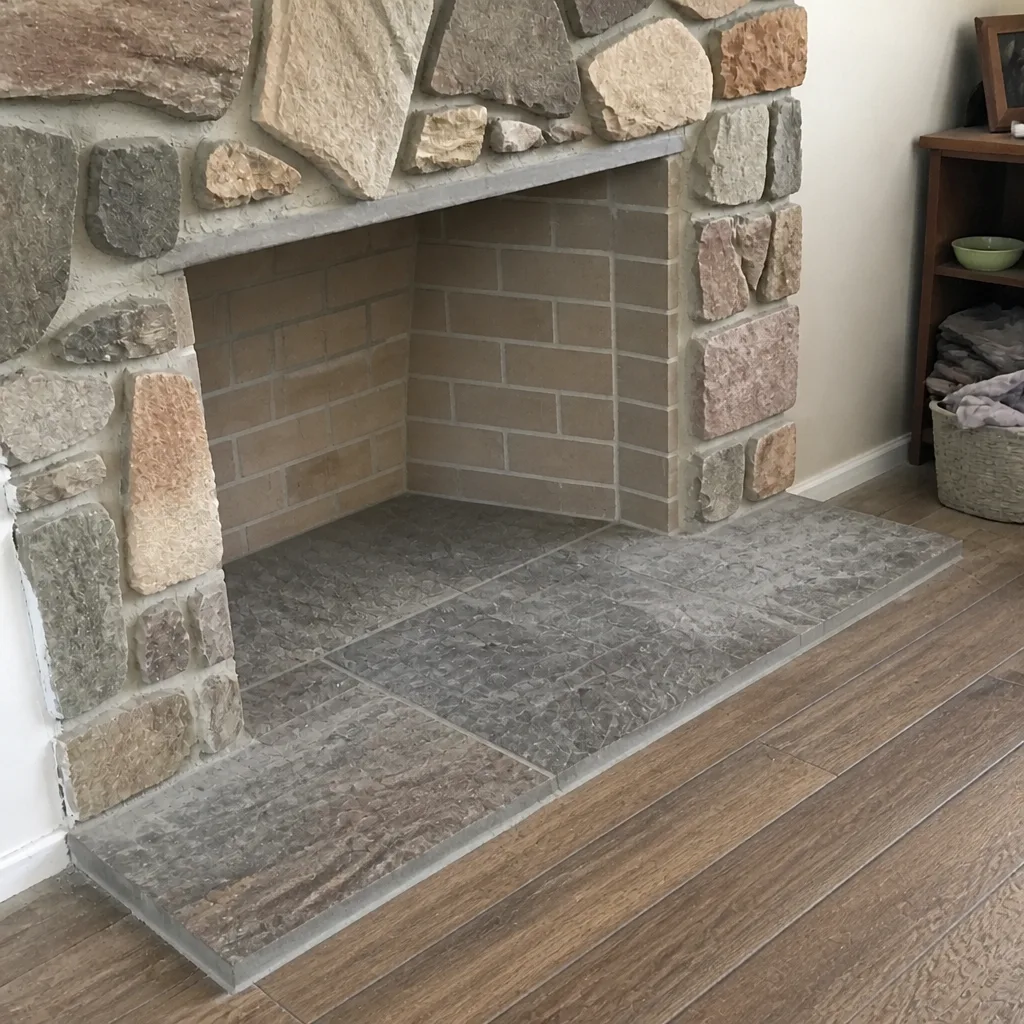 After
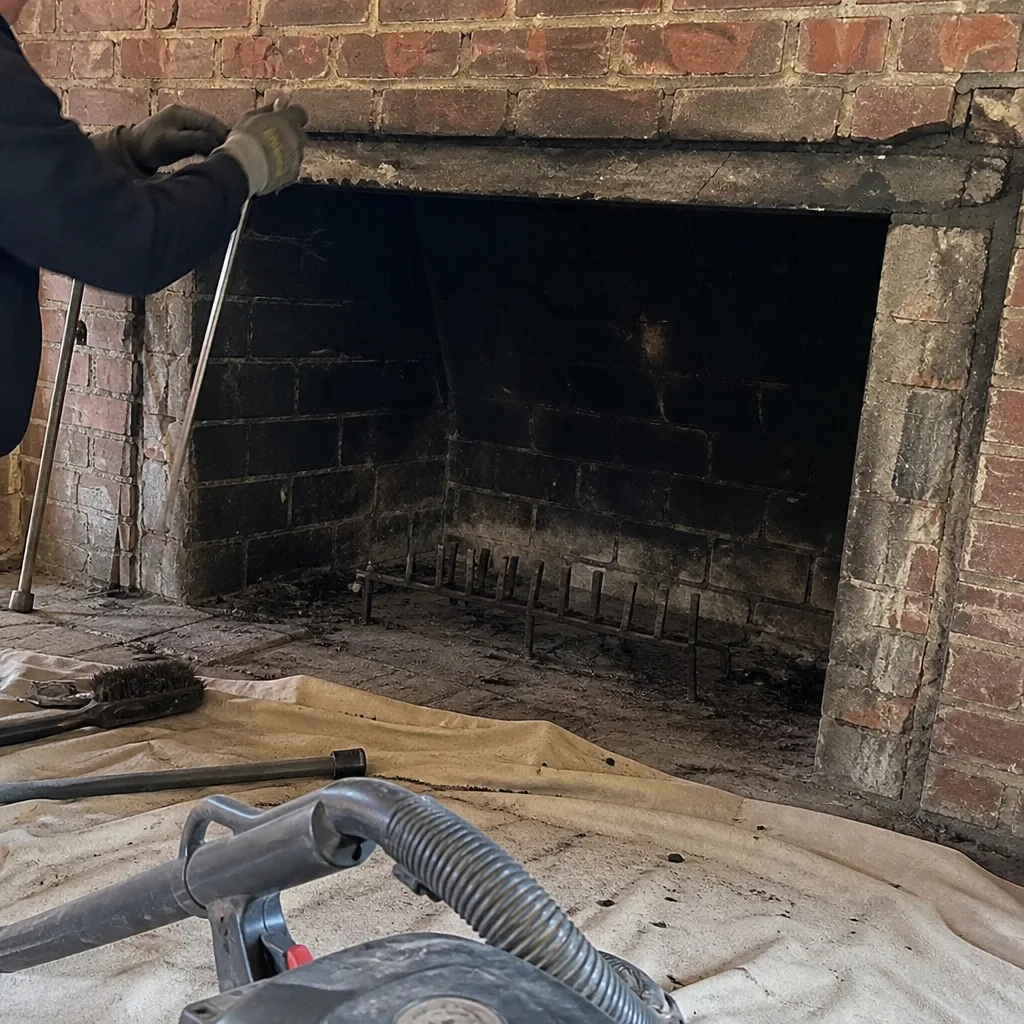 Before
 After
 Before
 After
When to Call a Professional
Call a professional when the work touches the structure or the venting, not just the firebox surface. If you’re changing a liner, rebuilding a firebox, installing or replacing a wood-burning appliance, or the flue has had a chimney fire or an operating malfunction, that’s the point to bring in a licensed chimney specialist and to have the permit conversation before work starts. Call us if you’re selling and don’t know whether the chimney work was permitted, or if you’re the buyer and you want a Level 2 before closing. Call us if your inspector flagged the chimney and you want a camera inspection you can see for yourself. And call us if it’s just been more than a year and you want an honest assessment of where things stand. Ventura Chimney Cleaning offers free estimates in Ventura. Call (855) 939-0327. We answer 24/7. Fast dispatch from 7am to 7pm, Sunday through Friday.
Frequently Asked Questions
No. Routine chimney cleaning is maintenance work and doesn’t require a permit in Ventura. What usually does require a permit is the structural repair that an inspection sometimes finds: liner replacement, firebox reconstruction, and any change to the venting. The permit line tracks whether the work changes the chimney system itself, not how big the job feels. Call (855) 939-0327 for an exact quote on the inspection or the work – estimates are free.
Liner replacement, firebox reconstruction or relining, chimney chase structural repairs, and installation of a new solid-fuel appliance or insert are typically permit-required in Ventura. Crown repair, masonry repointing, and damper replacement can be case-by-case depending on scope. Cap replacement and flashing sealant are generally treated as maintenance. When in doubt, confirm with the City of Ventura building department before work begins.
A Level 2 inspection is the inspection NFPA 211 calls for when a property changes hands, when an appliance or venting system is changed, or after a chimney fire or operating malfunction. It includes a camera inspection of the flue interior and the accessible attic and crawl spaces, which a general home inspector doesn’t typically check. If you’re selling or buying in Ventura, it’s the inspection to ask for.
It surfaces as a disclosure or an inspection finding, and the transaction either gets renegotiated or stalls until the work is resolved. The resolution is usually a retroactive permit, a city inspection, and sometimes corrective work to bring the system into compliance. Getting it sorted before you list is far cheaper and simpler than sorting it during closing. Call (855) 939-0327 to start with a Level 2 inspection – estimates are free.
Once a year is the usual recommendation for a home with regular fireplace use, and more frequently if you burn often or notice buildup. Ventura’s mild winters can actually increase creosote accumulation, because intermittent hot fires followed by idle periods let smoke cool inside the flue. A camera inspection tells you what’s actually there rather than guessing by the calendar.
Yes. We offer inspection as a standalone service, which is the honest starting point. You get the condition report and the camera evidence, and you decide what to do with it. Nothing is recommended without evidence you can see for yourself, and we’ll tell you plainly when work can safely wait.
The Bottom Line
Cleaning and repair sit on opposite sides of the permit line in Ventura, and most of the trouble comes from treating them as one thing. A routine chimney sweep and a cap replacement are maintenance. Liner replacement, firebox reconstruction, and appliance changes are permit-required work under California Residential Code and City of Ventura building rules, and unpermitted versions of those jobs can cost you at escrow. Get a Level 2 inspection before a sale, keep the permit record and the inspection sign-off, and hire a chimney specialist who brings up the permit before the work starts. That sequence protects the house, the sale, and the person living in it. Call (855) 939-0327 for a free estimate. We answer 24/7. Fast dispatch from 7am to 7pm, Sunday through Friday.
If you’re starting at the beginning and just want to know what’s in the flue, a Ventura Chimney Cleaning inspection is the right first step. If you’re weighing whether the repair is worth it now or can wait, we’ll tell you honestly. And if you want the full picture of the service area, see what we do in Ventura.
Written by the team at Ventura Chimney Cleaning.