
Last updated November 16, 2026
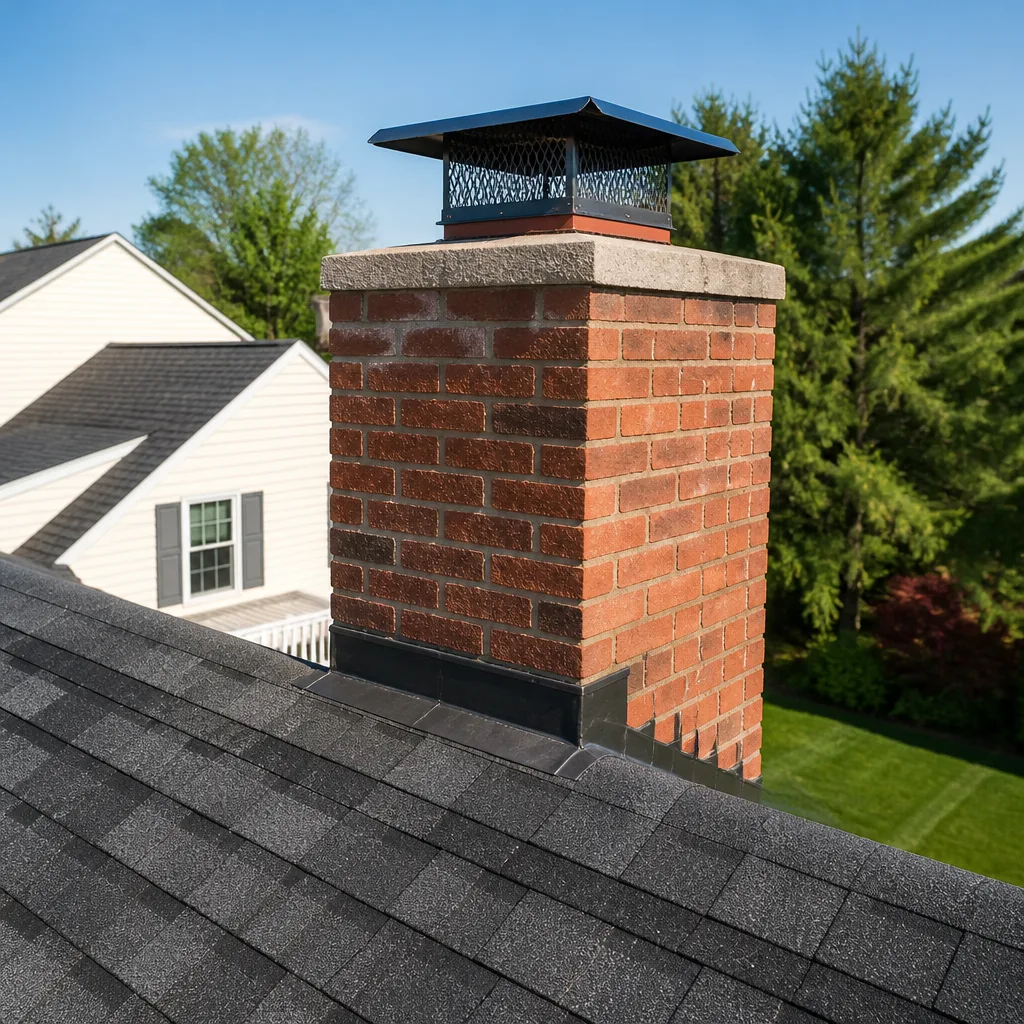 Sweep & inspection
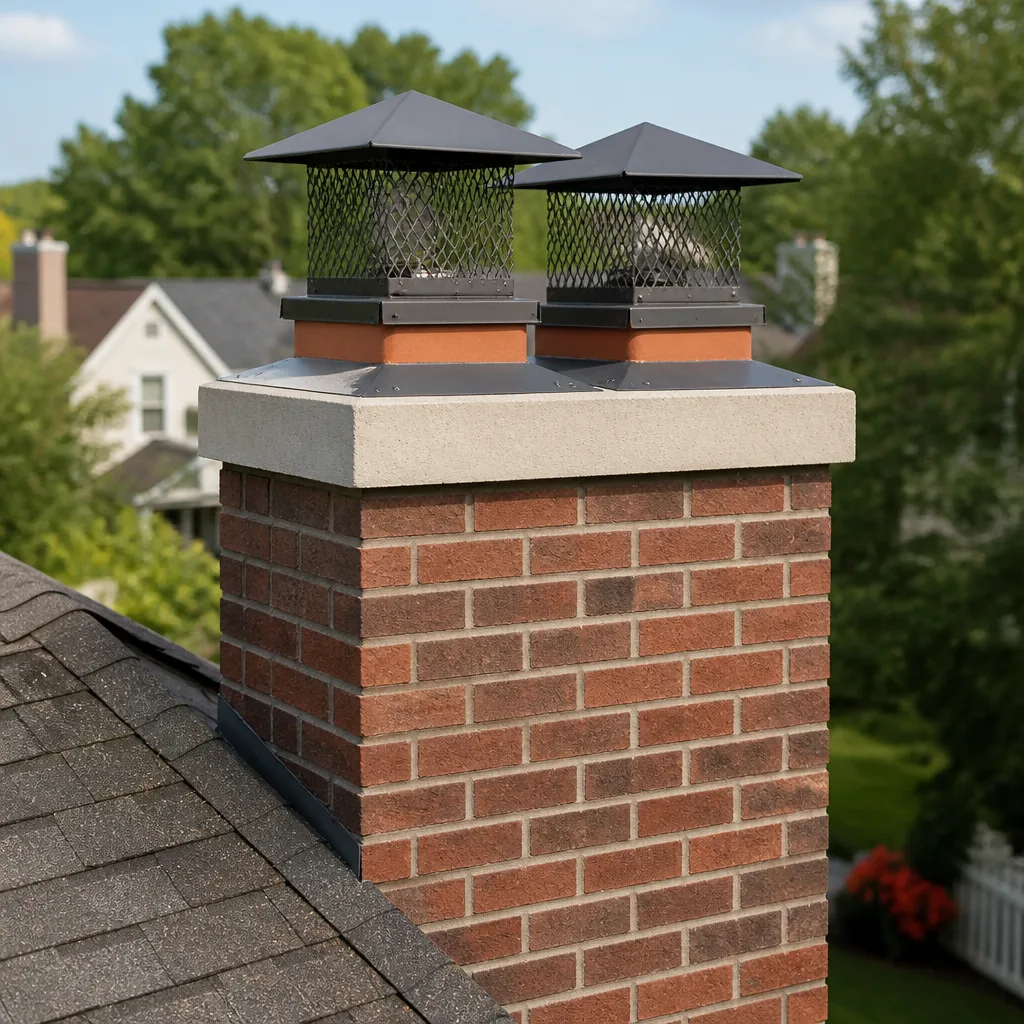 Caps & crowns
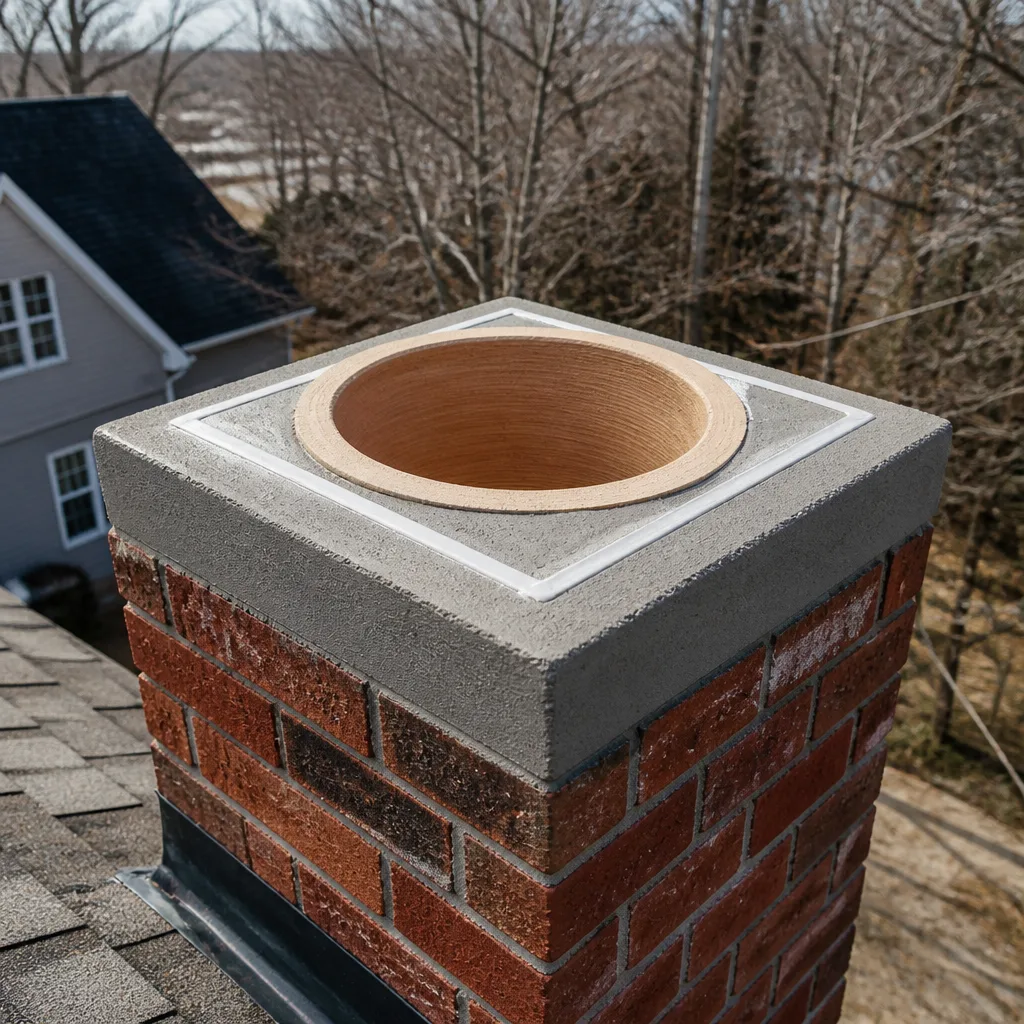 Flue relining
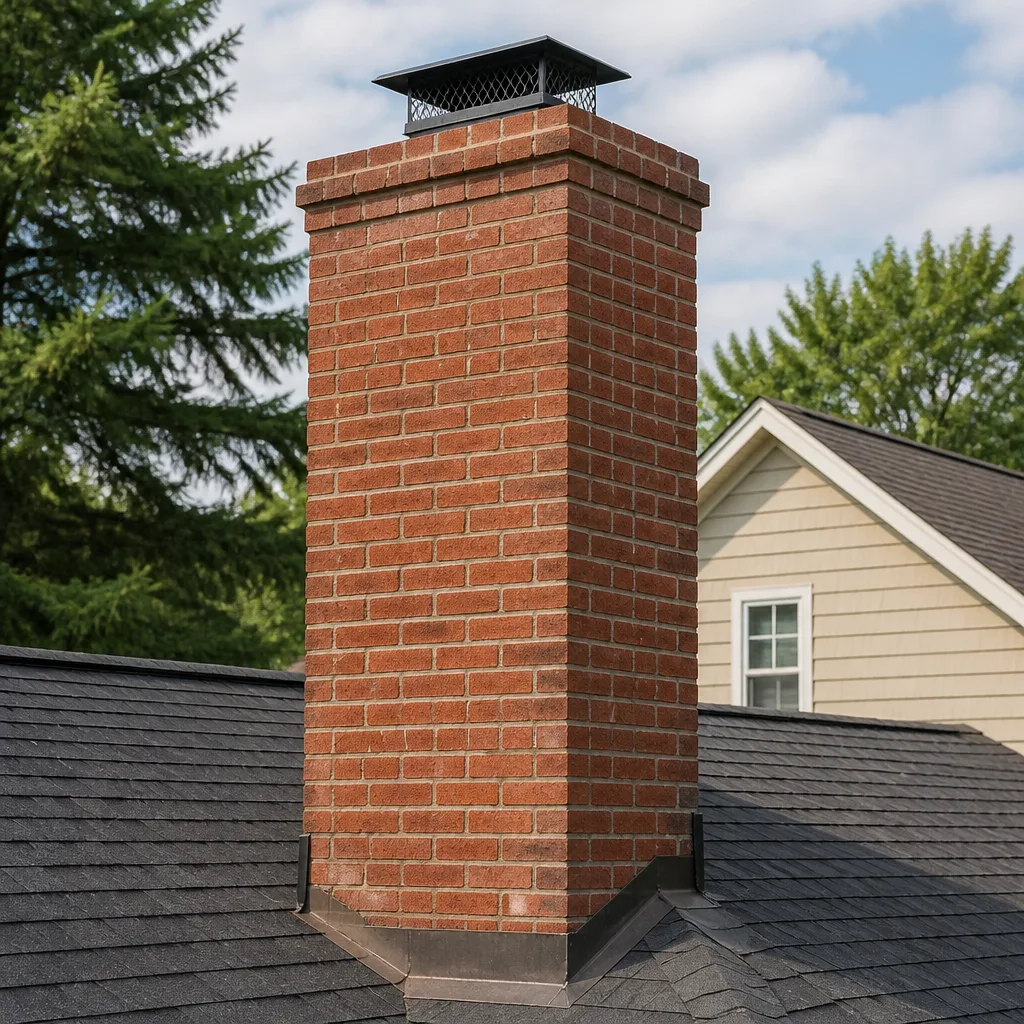 Masonry repair
 Gas fireplace service
Level 1 sweep and inspection to the NFPA 211 annual standard - flue, crown, cap, and flashing checked and photographed
Chimney sweep logs do not sweep chimneys. They loosen some creosote - which then falls where a brush and vacuum still have to collect it.
DIY vs Professional Chimney Cleaning: The Ventura Homeowner’s Decision Guide
Here’s the part of the chimney cleaning debate almost nobody talks about: the trouble with doing it yourself usually isn’t that you do it wrong. It’s that when you’re finished, you have no reliable way to know whether you did it right. A homeowner can push a brush up a flue, work up a sweat, and haul out a pile of black soot. What that homeowner can’t do is look at a hairline crack in a clay tile liner, spot a bypass in the smoke chamber, or tell whether a glaze of stage-3 creosote is still clinging above where the brush stopped. That gap between “looks clean” and “actually safe” is where chimney fires begin. This guide walks through what a real cleaning involves, what consumer kits can and can’t do, and how a Ventura homeowner should weigh the decision.
Quick Answer
For most Ventura homeowners who burn regularly, professional cleaning is the right call – not because brushing a flue is impossibly hard, but because the value is in the inspection that comes with it. A trained technician cleans the full system and then verifies its condition on camera; a DIY brush kit cleans only what the brush reaches and verifies nothing. DIY makes sense for one narrow job: routine ash removal and basic damper checking between professional cleanings. Everything past that – creosote removal at the upper levels, liner assessment, smoke chamber inspection – belongs to someone who can see what they’re doing and document it.
Styles & brands we work with
- Sweep & inspection
- Caps & crowns
- Flue relining
- Masonry repair
- Gas fireplace service
Table of Contents
- What a Chimney Cleaning Actually Involves
- Consumer Brush Kits vs Professional Rotary Systems
- What a Camera Inspection Reveals That a Brush Pass Cannot
- The One Scenario Where DIY Maintenance Is Genuinely Appropriate
- The Full Cost Comparison: Kit Cost vs the Repair You Miss
- California Liability: How DIY Chimney Work Meets Homeowner’s Insurance
- Why Ventura’s Burning Season Shapes the Decision
- How Often Should a Ventura Chimney Be Cleaned?
What a Chimney Cleaning Actually Involves
A professional chimney cleaning is not a single pass with a brush. It’s a sequence, and each step exists because a problem can hide at that stage. Here’s how the work typically runs:
- Set up and protect the room. Drop cloths go down, and a high-powered vacuum with HEPA filtration runs for the whole job so soot stays out of the living space. This is one reason DIY cleaning tends to leave a fine dusting on furniture for weeks.
- Inspect before cleaning. A technician looks at the firebox, damper, smoke chamber, flue, and cap before touching anything. Cleaning a damaged flue can make the damage worse, so the condition check comes first.
- Clean the firebox and smoke chamber. The smoke chamber – the sloped area above the damper – is where creosote collects and where brushes often can’t reach. Professional tools get in there.
- Clean the flue with a rotary system. A motorized spinning head fitted with the right brush for the liner material runs the full length of the flue, scrubbing glaze and soot off the walls rather than just dragging past them.
- Sweep and vacuum the debris. Everything loosened comes down and out, and the firebox is left clean.
- Run a camera inspection and issue a report. A chimney camera shows the liner’s interior and identifies defects. You get a photo record so you can see what the technician saw.
That last step is the whole point. The cleaning removes the hazard that’s there now; the inspection finds the hazard that’s building. When we do a chimney sweep, the camera pass is treated as part of the job, not a paid add-on, because a clean flue you can’t verify is only half the information you need. In Ventura, where many homes have clay tile liners that have been through years of heating cycles, that verification matters more than the soot count.
Consumer Brush Kits vs Professional Rotary Systems
The central technical difference between DIY and professional cleaning is the tool. A consumer kit – usually a stiff-bristle brush on flexible fiberglass or poly rods, sometimes with a hand drill adapter – relies on the homeowner’s arm strength and the rod’s ability to follow the flue. A professional rotary system uses a motor that spins the brush head at speed, so the head scrubs the full circumference of the liner. The distinction sounds minor. It isn’t.
- Contact pressure. A brush dragged up and down makes contact only where the flue is narrow enough or the brush is stiff enough to press. A spinning head applies even pressure to the whole liner wall, which is what it takes to break loose glazed creosote.
- Creosote stage. Creosote moves from flaky (stage 1) to crusty (stage 2) to glazed and hardened (stage 3). A hand brush handles stage 1 well, struggles with stage 2, and often just slides over stage 3. Rotary cleaning with the right head is designed to remove all three.
- Liner fit. Clay tile, stainless steel, and older unlined flues need different brushes. A homeowner kit ships with one general-purpose brush, and a stiff brush that’s too aggressive can chip clay tile. A rotary system uses a head matched to the liner type so the cleaning doesn’t damage the surface.
- Reach and control. Consumer rods flex and can bind, especially around an offset flue (where the flue shifts horizontally between floors – common in older Ventura homes). A bound rod gives no cleaning at that section and puts stress on the liner above it.
- Debris containment. Professional setups include high-volume vacuum extraction so the soot removed at the flue walls is captured, not distributed into the room.
None of this means consumer kits are junk. A kit can knock down loose stage-1 soot reasonably well. The problem is that creosote above stage 1 is exactly the kind that ignites, and a hand brush is the wrong tool for it. When a professional operation needs to restore a damaged firebox or address a failing liner, the materials come from brands built for the work – Gelco and Olympia Chimney among them – because the repair has to match the severity the cleaning uncovered.
What a Camera Inspection Reveals That a Brush Pass Cannot
This is the section that reframes the whole DIY debate. The question isn’t only “can I clean it?” It’s “after I’ve cleaned it, what do I know that I didn’t know before?” A brush pass tells you the flue is less sooty. A camera inspection tells you whether the flue is structurally sound – and those are different questions. Here are the specific defects a camera catches that no amount of brushing or peering up from the firebox will reveal:
- Hairline cracks in a clay tile liner. These are often invisible from the firebox. A crack lets heat and carbon monoxide reach the structure around the flue. A brush drags right past a hairline crack without a mark.
- Corbel deterioration in the smoke chamber. The corbeled masonry that steps the smoke chamber down toward the flue is a high-stress zone. Deterioration there creates turbulence and lets creosote collect in pockets the brush never contacts.
- Offset flue sections. When the flue shifts position between floors, the transition is hard to reach with rods and impossible to see without a camera. That’s where blockages and heavy creosote tend to sit.
- Gaps at liner joints. Stainless liners are sectioned and joined. A gap at a joint is a leak path for heat and exhaust gases, and it shows up clearly on camera but not from below.
- Improper prior repairs. A firebox patched with the wrong mortar or a liner installed without proper clearance looks fine from the room and fails on camera. Homes bought recently are where this comes up most – a new owner inherits whatever a previous contractor did.
We’ve seen it enough times to say it plainly: the defects that drive repair decisions are defects a brush can’t find. That’s why the inspection is offered as a standalone service here – you can book the assessment on its own, get the photo report, and decide separately whether any work is needed. Inspection first, recommendation second. The camera gives you evidence you can see for yourself, which is the only honest way to answer a homeowner who’s been told they need a new liner.
The One Scenario Where DIY Maintenance Is Genuinely Appropriate
We aren’t in the business of telling you to hire a professional for everything. There’s real work a homeowner should do between professional cleanings, and it makes the next professional visit more effective. Here’s the allowable DIY list:
- Remove ash from the firebox. Once the stove or firebox is fully cold, scoop ash into a metal container with a lid and store it outside, away from anything combustible. Ash left to build up reduces draft and eats into firebox capacity.
- Check the damper. Open and close it while the firebox is cold. It should move freely and seal when closed. A damper that sticks or won’t fully open is a call-the-professional item, not a fix-it-yourself item.
- Look at the firebox. A visual check for loose mortar, cracked firebrick, or rusted metal is fair game. What you do with a finding is the professional’s call.
- Keep the cap clear from the ground. From outside, look up to confirm the chimney cap isn’t blocked by a bird nest or debris. Removing debris from the cap is safe. Getting on the roof is not something to do yourself.
- Watch for warning signs. Smoke backing into the room, a strong creosote smell in warm weather, or a damper that won’t seal all mean stop and call.
What belongs to the professional, no exceptions: going up on the roof, cleaning the flue, inspecting the liner and smoke chamber, and any repair. And this is a hard safety point, not a sales pitch. Chimney work involves heights, and the components inside the flue can involve real hazards – glazed creosote can reignite, and a compromised flue is a carbon monoxide path. A trained technician works safely on those components. A homeowner with a brush and a ladder is exposed to genuine injury risk with no way to confirm afterward whether the flue is sound. That’s the trade: a few hours of DIY labor for a system you can’t verify.
The Full Cost Comparison: Kit Cost vs the Repair You Miss
Here’s where the DIY math usually goes wrong. The comparison most homeowners make is “kit price vs cleaning price.” The comparison that matters includes what the cleaning fee actually buys. The professional number includes a full cleaning and a camera inspection with a photo report – the assessment is where the value sits. If you skip the professional visit and only buy a kit, you’re saving the fee and losing the diagnosis.
| What you’re paying for | DIY kit route | Professional route |
|---|---|---|
| Consumer brush kit / rods / drill adapter | $60 – $150 one time | Not needed |
| High-volume vacuum to contain soot | Rented or improvised | Included in setup |
| Cleaning of firebox, smoke chamber, and flue | Partial (reaches what the brush meets) | Full system |
| Rotary removal of stage-2 and stage-3 creosote | Not possible with hand tools | Standard |
| Camera inspection + photo report | None | Included |
| Repair (liner, firebox, cap) if found | Found later, often when it’s worse | Quoted from evidence |
Now the part the kit-vs-fee math ignores. A hairline crack or a firebox gap that goes unnoticed because no camera was run can develop into liner or firebox work that runs into the thousands. The exact number depends on the system, and we don’t quote it here because it should come from the written estimate after a real inspection. But the structure is this: the DIY savings is small and one-time, and the repair that a missed inspection allows to grow is a single, much larger cost. The professional cleaning isn’t priced against the kit; it’s priced against the repair you’re trying to prevent. The written estimate sets the final price – nothing on a Ventura job gets added later.
California Liability: How DIY Chimney Work Meets Homeowner’s Insurance
This section is the one most homeowners haven’t thought through, and it’s worth the read before you buy a kit. If a chimney fire damages a California home, the insurer’s first question is usually not “how bad is it?” It’s “what condition was the chimney in, and who was responsible for it?” A homeowner who has documentation of regular professional cleaning and inspection is in a very different position from one whose flue was last looked at by a brush the homeowner ran themselves. Insurance companies may view a lack of maintenance as a factor when they decide how a claim proceeds. We can’t tell you how any specific insurer handles any specific claim – that’s a conversation to have with your carrier – but the general principle holds: records help.
- Documented cleaning history supports a claim. If you’ve had the system cleaned and inspected and can produce the reports, you have evidence the chimney was well-maintained. A DIY kit leaves you no inspection record and no proof of condition.
- The repair record matters too. If a crack was found and fixed, the report shows the work was done. If it was noted and deferred, the report shows the homeowner knew. There’s no version of the story where the missing camera inspection helps.
- Local codes interact with insurance. A liner or firebox repair to Ventura-area standards, completed with professional-grade materials and documented, is what gives a homeowner something to show. Most municipalities require permits for structural chimney work, so check with the city’s building department before any major repair.
- If you’ve just bought the home, get the condition on record. A fresh inspection establishes a baseline before your first fire. That date becomes relevant if a claim ever comes up.
In short: treat the inspection report like the paperwork it is. It’s your proof of due diligence. The chimney repair that follows a known defect is a maintenance expense. The repair that follows a chimney fire, when no one ever inspected, is where insurance conversations get uncomfortable.
Why Ventura’s Burning Season Shapes the Decision
Ventura’s winters are mild, and that changes the rhythm of chimney use in a way that matters for timing. Because the cold is rarely severe, many homes burn intermittently – a fire some evenings, a stretch of nothing, then daily use when a cold front moves through. Intermittent burning produces a specific pattern: more visible smoke and more creosote on the flue walls per volume of wood burned, because the fire spends more time at the smoldering, low-heat stage where creosote forms fastest. A Ventura home may not burn a cord of wood a year and still build up significant creosote.
The timing implication is simple: the best window to book a cleaning or inspection in Ventura is before burning season begins. Book a sweep in the weeks before the first sustained cold snap and you start the season with a verified system. Book it in the middle of the season and you may be booking behind everyone else. A sweep gets scheduled; it isn’t a same-day drop-in, so plan for it. If the phone line rings outside dispatch hours – Sunday evening, say – we answer 24/7 and book it into the next opening, Sunday through Friday, 7am to 7pm. We’re closed Saturdays.
The climate also shapes how quickly moisture can collect. Ventura’s marine-influenced air and moderate humidity mean a chimney left cold and unused for months can collect dampness that combines with soot to form a crusty deposit, particularly on a flue that’s never gotten hot enough to dry itself out. That crust is another one that a hand brush struggles with. The best defense is regular use and a professional cleaning on a realistic schedule, which the next section covers.
How Often Should a Ventura Chimney Be Cleaned?
Most guides quote “once a year or after a cord of wood, whichever comes first,” and that’s a reasonable baseline. But the honest answer for a Ventura chimney depends on how the home actually burns, not the calendar.
- Burn regularly in a fireplace or wood stove: clean and inspect once a year, before the season starts.
- Burn intermittently (a fire a few times a month): annual inspection at minimum; the creosote can accumulate without the warning of a heavy burn season.
- Burn wood that’s not fully dry: more frequent cleaning. Wood with high moisture content makes more smoke and more creosote. Aim for wood that’s had a year to season and feels light and dry.
- Haven’t had the chimney looked at in over a year: book an inspection now, even if you barely lit a fire last winter. A year without a look is enough to miss a cracked tile.
- Just bought the home: inspect before you use it. You don’t know the previous owner’s maintenance history, and the system deserves a baseline.
- Noticed any warning sign – smoke backup, a strong smell, a damper that won’t seal – don’t wait for the annual schedule; call.
That’s the honest schedule. An annual inspection is the anchor – even if the burning is light, the camera check is what catches what burning didn’t cause. If a cleaning isn’t needed, a professional will say so. If it is, the estimate tells you what the work involves before anything starts. You can read more about what we do across Ventura, and if you want the full picture of our specialization, it starts at Ventura Chimney Cleaning.
Common Mistakes to Avoid
- Assuming a brush pass equals a clean flue. A brush removes what it reaches and nothing else; the camera pass is what confirms the system is actually clean and sound. Skipping it leaves the real answer hidden.
- Buying a stiff brush for a clay tile liner. A too-aggressive brush can chip clay tile and start the crack you were trying to prevent. Match the head to the liner, or leave it to someone who will.
- Thinking “it went up and down” means it worked. If the rod bound at an offset section, the flue above that point went uncleaned. A brush that did nothing isn’t a safe brush; it’s just a brush that did nothing.
- Cleaning a firebox you haven’t inspected. If the firebox has loose mortar, cleaning can push it loose into the flue or open a gap. Inspect first, clean second, and repair anything found before burning again.
- Going onto a Ventura roof to check the cap yourself. Roof height is the number one risk in chimney work. Cap-blockage checks are done from the ground; anything on the roof is the professional’s job.
- Deferring repair after a defect is found. A crack found on camera and left alone gets worse with every fire. The report is the reason to act, not the reason to wait.
- Skipping the written history when you bought the home. A new owner who doesn’t book a baseline inspection is starting a burn season with someone else’s untreated problem.
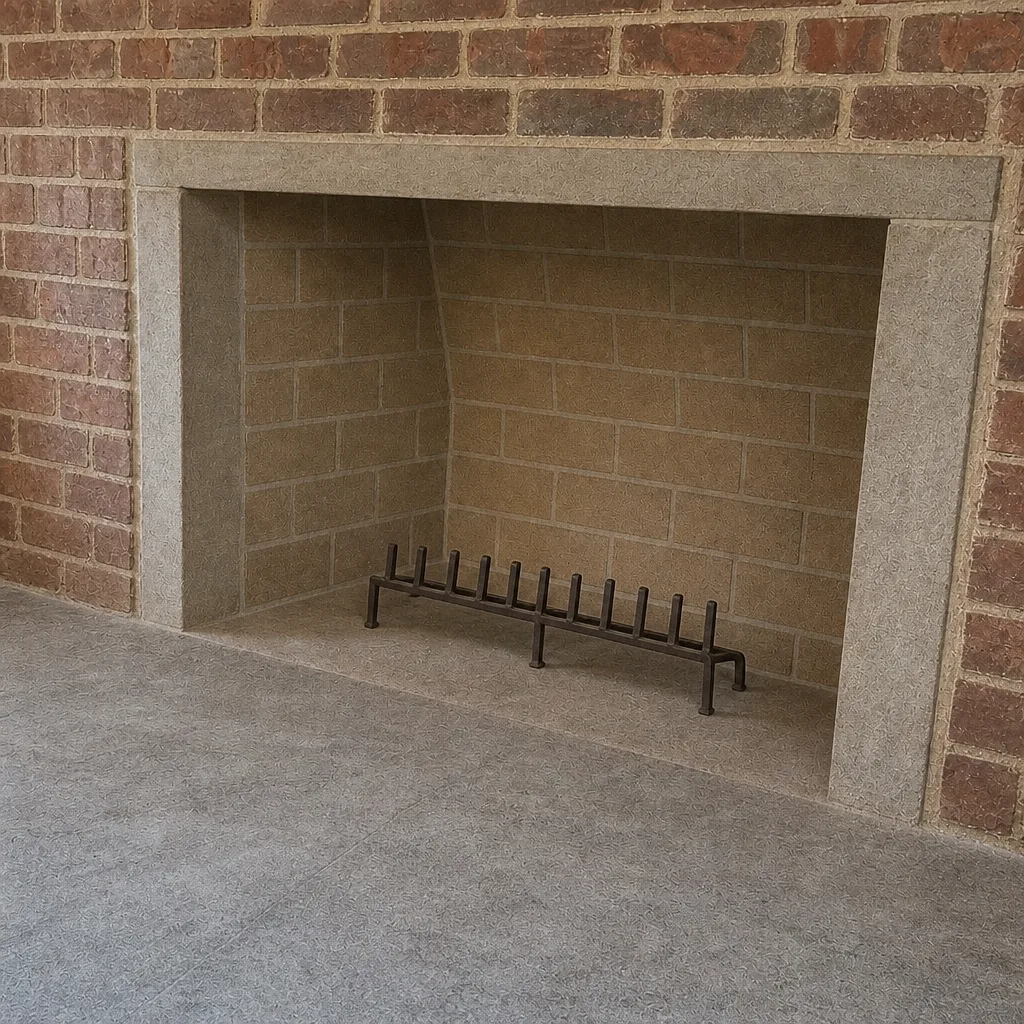
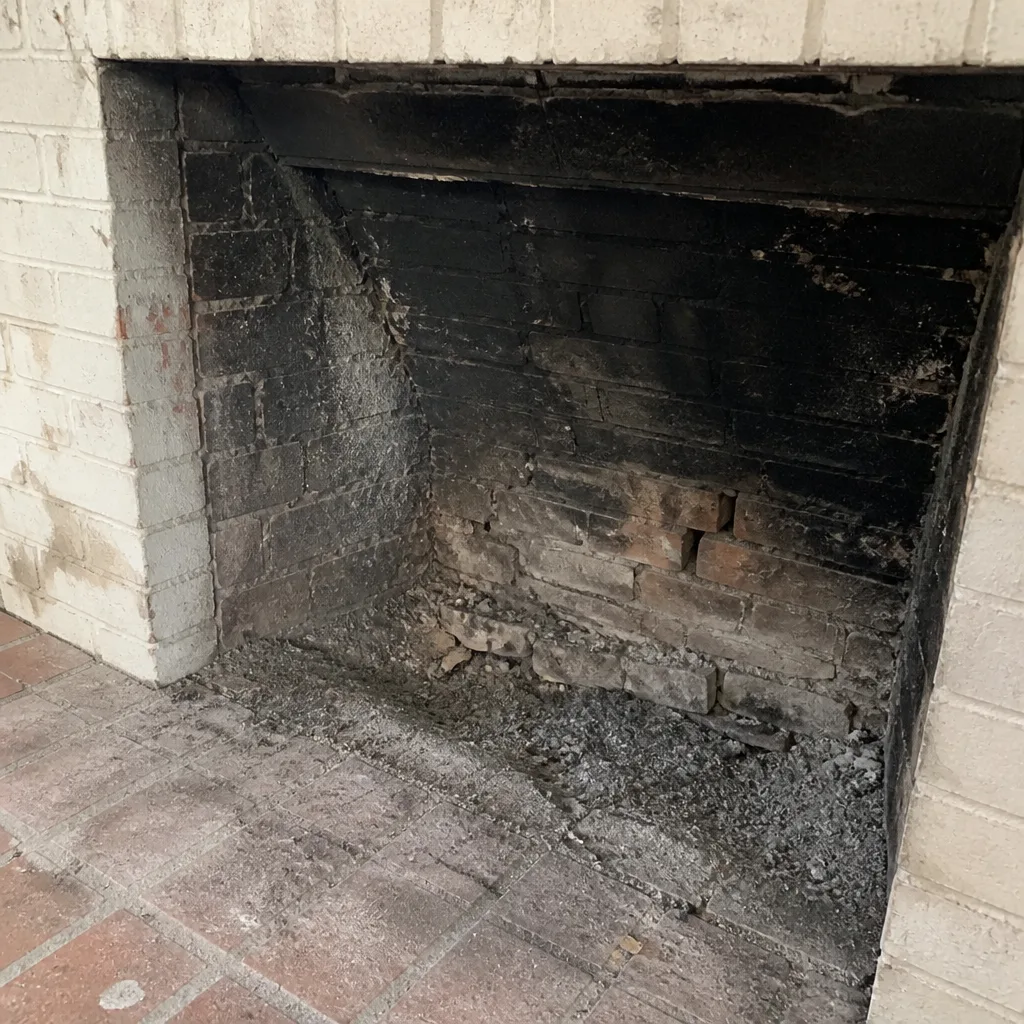
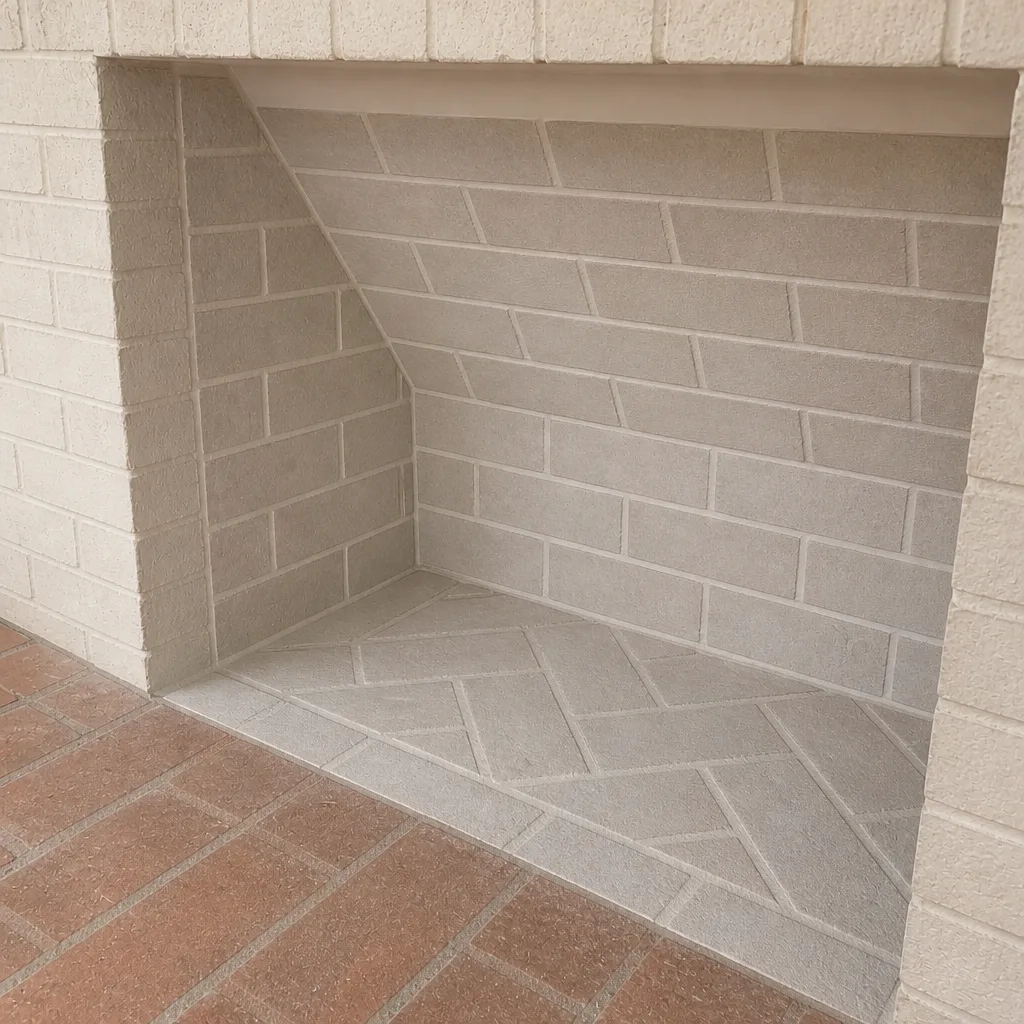
See the difference
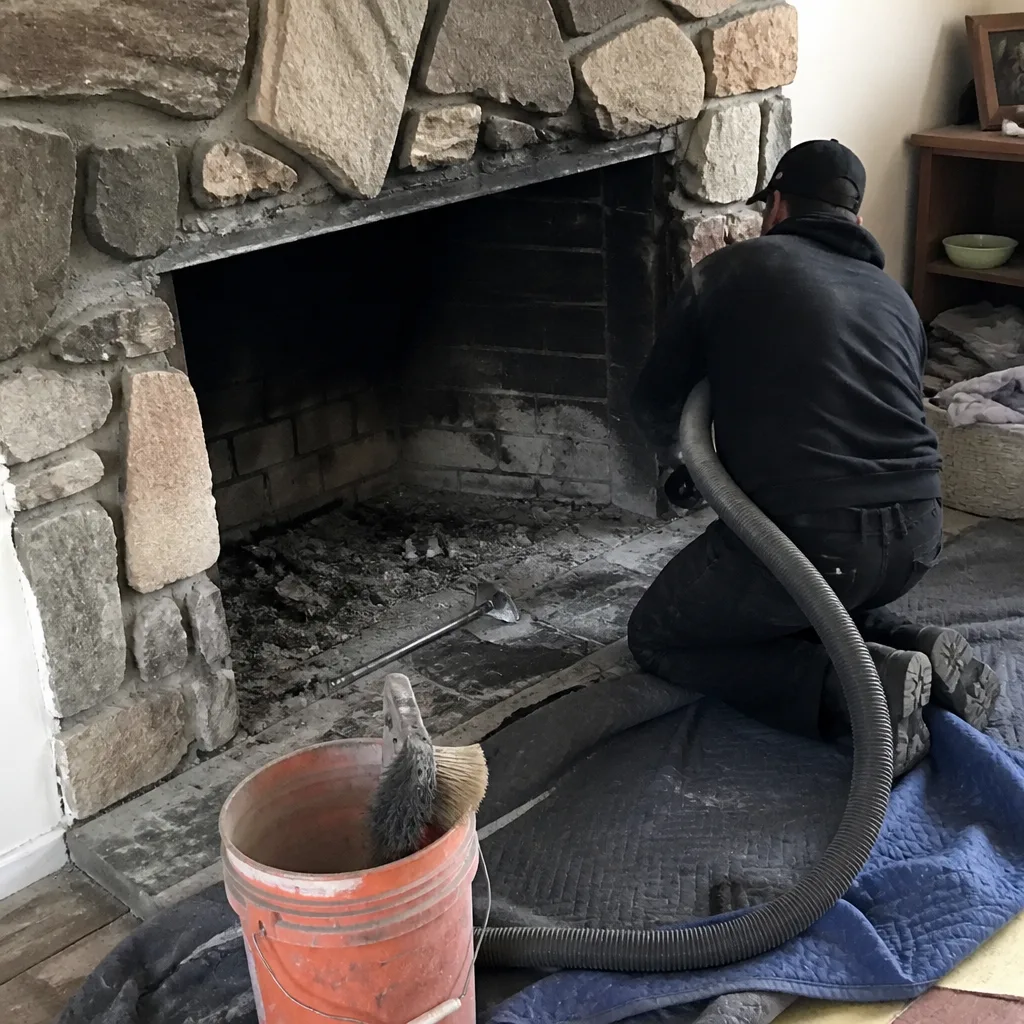 Before
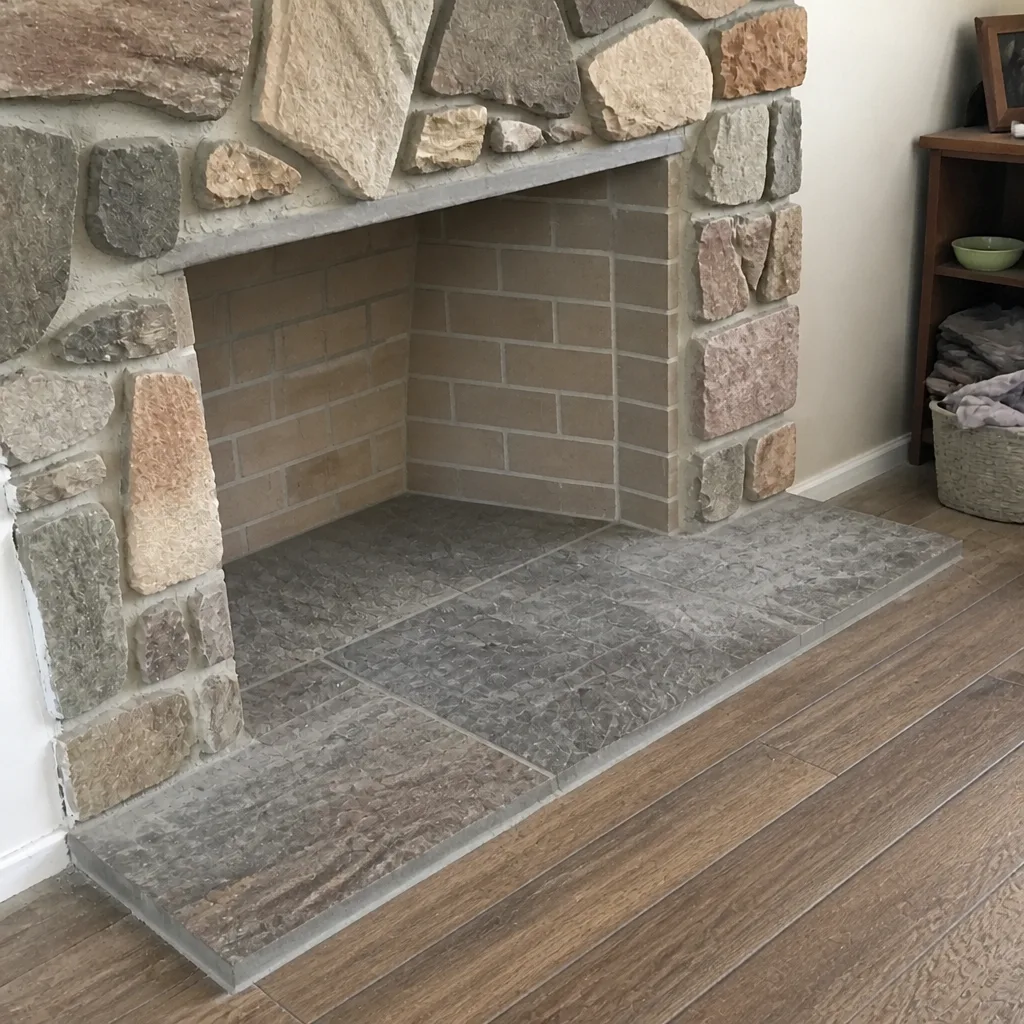 After
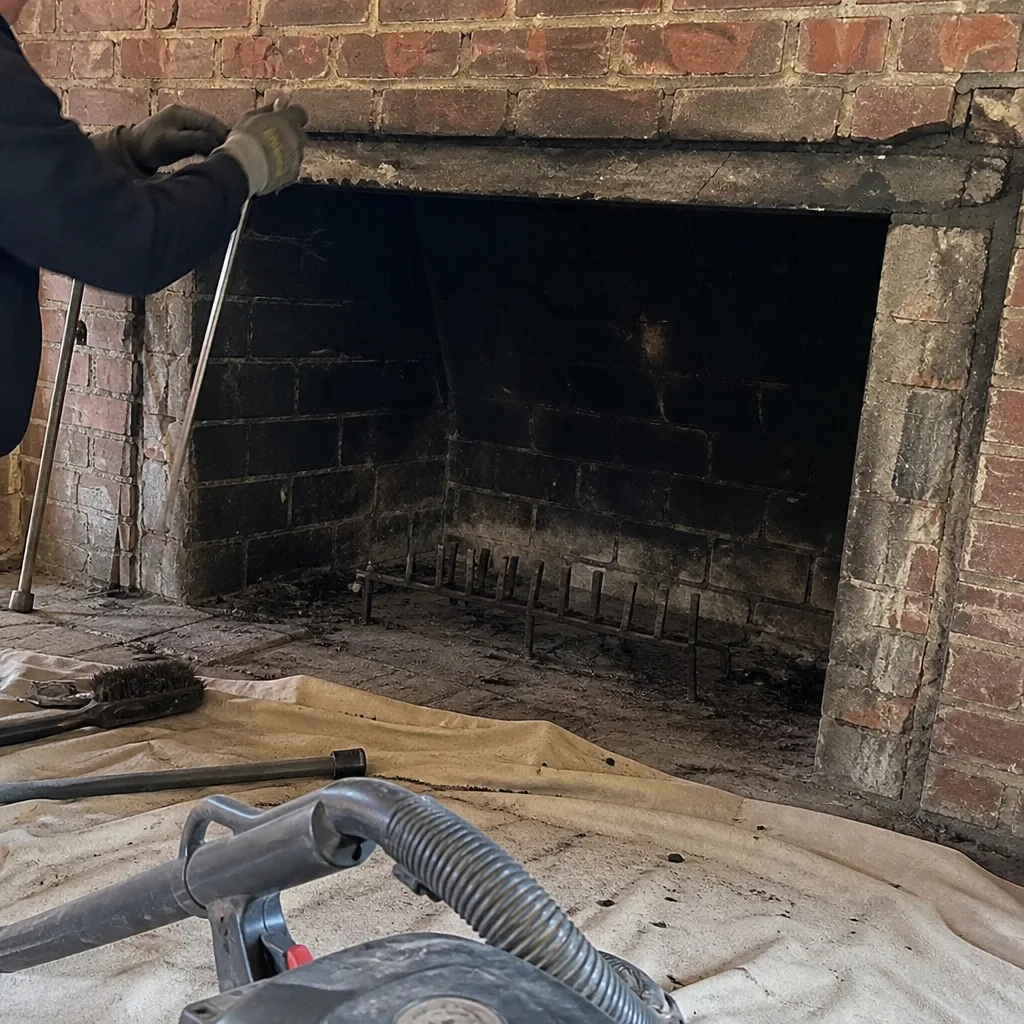 Before
 After
 Before
 After
When to Call a Professional
Call for anything above a brush’s reach or a camera’s view. That includes the whole system – the flue, the liner, the smoke chamber, the firebox – and any repair that comes after. Call before the burn season starts if you can; the dispatch covers Sunday through Friday, 7am to 7pm, and the phones are answered 24/7. Call if you’ve noticed smoke backing into the room, if the damper won’t seal, if you smell a strong creosote odor on a warm day, or if you’ve just bought a house and have no maintenance record. Call if a previous inspector flagged something and you’re not sure whether to act. Ventura Chimney Cleaning offers free estimates in Ventura: we inspect first and recommend second, so nothing is suggested that the camera hasn’t shown you. Call (855) 939-0327 when you’re ready to book.
Frequently Asked Questions
You can clean the stage-1 soot, but you can’t confirm the system is safe, because safety depends on defects a brush can’t see. A brush pass removes what it touches; a camera inspection confirms the liner and smoke chamber are intact. If the only goal is knocking down loose soot, DIY does that part. If the goal is knowing the flue is sound, you need a professional cleaning and inspection. Call (855) 939-0327 for an estimate – the assessment is what answers the safety question.
A consumer kit relies on hand-pushed rods and general-purpose brushes; a rotary system uses a motor-driven head matched to the liner material. That lets the rotary head scrub the walls at consistent pressure and remove glazed stage-2 and stage-3 creosote a hand brush tends to slide over. The rotary head is also less likely to chip clay tile, because the head is chosen for the liner. The difference is what makes a full cleaning possible, not just a partial one.
We can’t say how any specific insurer will treat a specific claim – that’s a question for your carrier. But the general pattern is that documented professional cleaning and inspection give you a maintenance record, and no such record exists after a DIY-only history. If a chimney fire happens, the company handling your claim will want to know what condition the chimney was in. A professional inspection report is your evidence. Call (855) 939-0327 to start a documented maintenance history.
Once a year for a home that burns regularly, and at least an annual inspection for one that burns only occasionally. The driver is the creosote stage and the condition of the liner, not the number of fires. A home that burns sparingly can still build up the crusty deposits that a hand brush can’t remove, and a year is long enough for a hairline crack to develop unnoticed. Inspection first, cleaning if needed, and the estimate sets the price. Call (855) 939-0327 for an exact quote – estimates are free.
Hairline cracks in clay tile liners, corbel deterioration in the smoke chamber, gaps at stainless liner joints, and offset-flue sections that block a brush’s reach. Those are the defects that drive repair decisions, and none of them are visible from the firebox or reachable by a brush. The camera produces a photo report you can see for yourself, which lets you evaluate the recommendation instead of taking it on faith. That’s why inspection stands as its own service here.
A full-system cleaning – firebox, smoke chamber, flue with rotary tools, and debris removal – plus a camera inspection with a photo report. The written estimate is agreed before anything starts, so the final price is the price you were quoted. Nothing is recommended without the camera showing you the reason. That’s the whole model: inspect first, recommend second. Call (855) 939-0327 to book it in Ventura.
The Bottom Line
The DIY-vs-professional decision comes down to verification, not difficulty. A homeowner with a brush can remove visible soot, and that has real value if that’s all the flue needs. But the reason professional cleaning exists isn’t the soot – it’s the assessment that finds a cracked tile, a failing firebox, or glazed creosote above the brush’s reach. Without that, the homeowner cleans the symptom and misses the cause. Do the safe, sensible parts yourself: ash removal, damper checks, cautions from the ground. Leave the flue, the roof, and the camera inspection to a specialist who can show you the evidence. In Ventura, that decision is worth making before the next burn season.
Ventura Chimney Cleaning handles sweep, repair, and inspection as one company, working only with the professional brands chimney specialists rely on – Gelco, Olympia Chimney, Famco, and Copperfield among them – and stocked for the work the inspection uncovers. Our technicians have up to 11 years of experience. Call (855) 939-0327 for a free estimate. We answer 24/7. Fast dispatch from 7am to 7pm, Sunday through Friday.
Written by the team at Ventura Chimney Cleaning.