
Last updated November 16, 2026
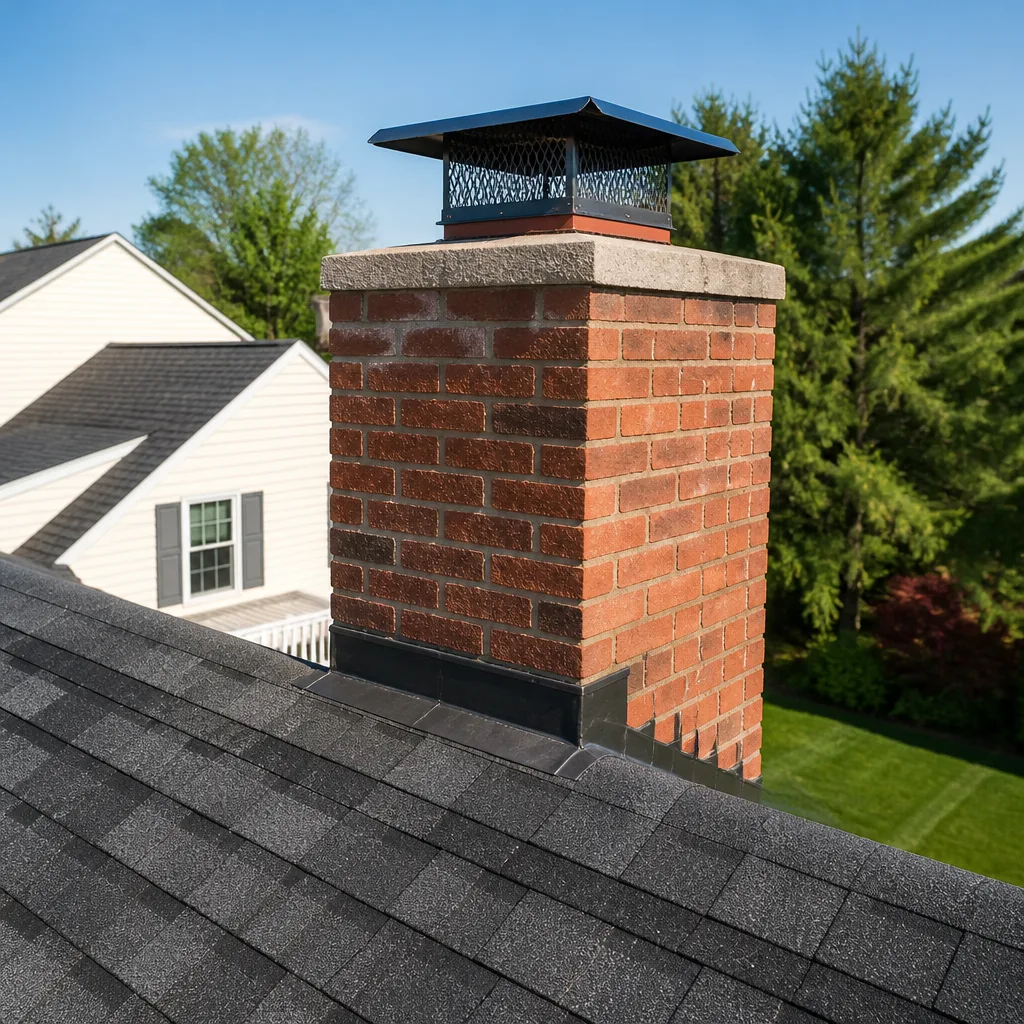 Sweep & inspection
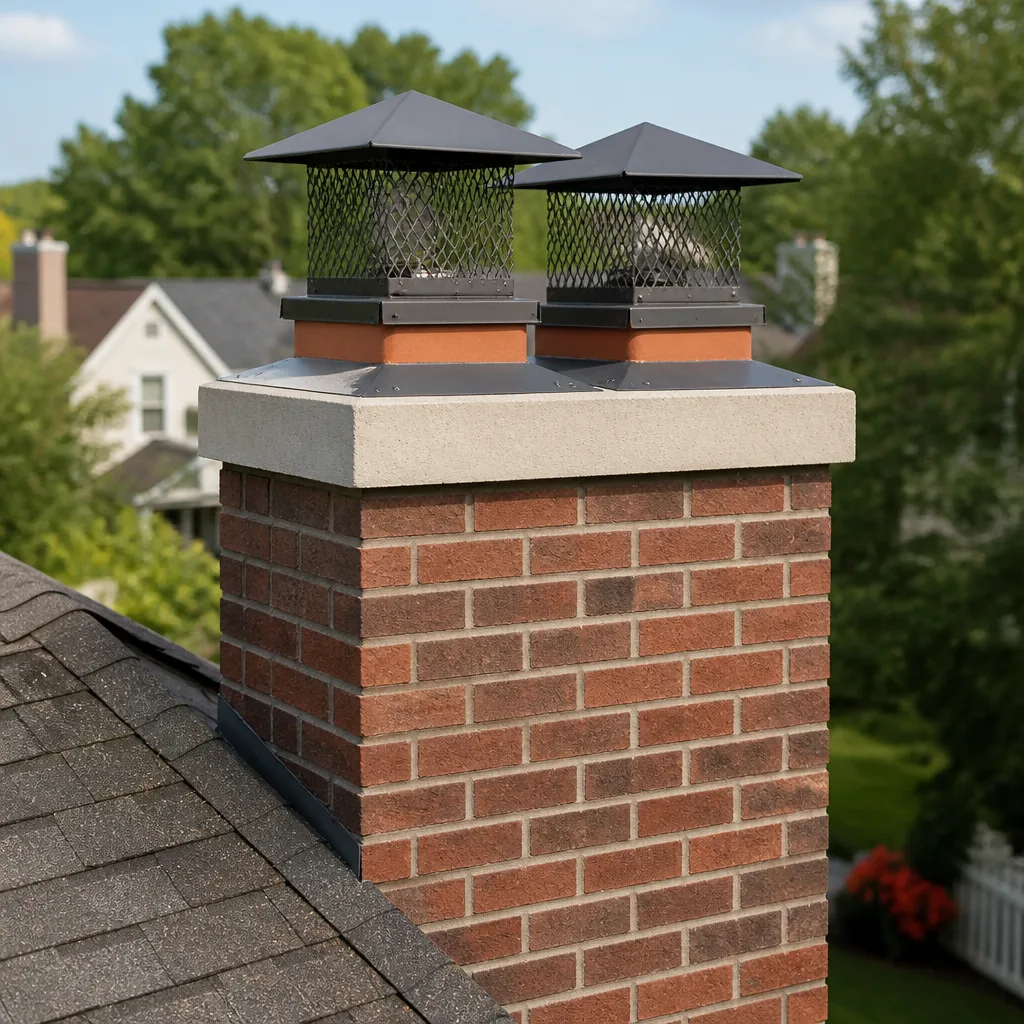 Caps & crowns
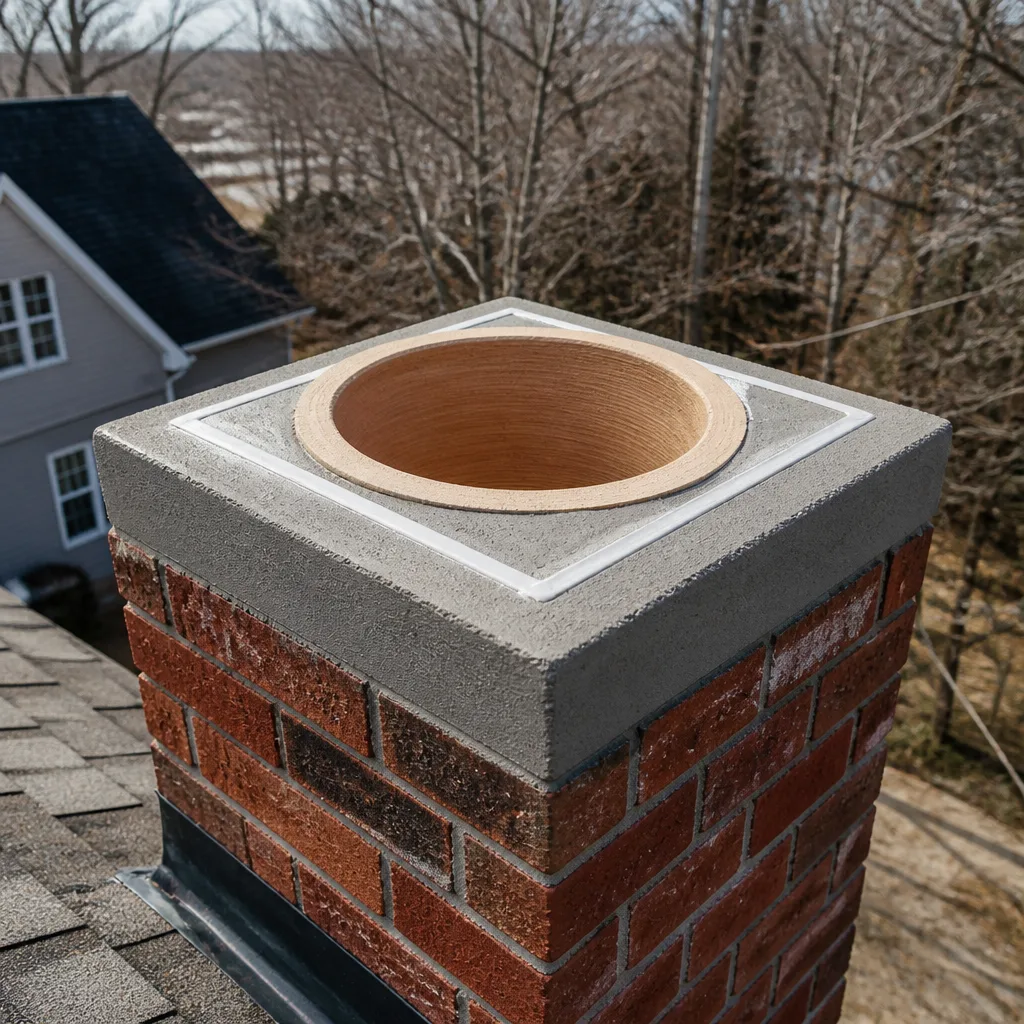 Flue relining
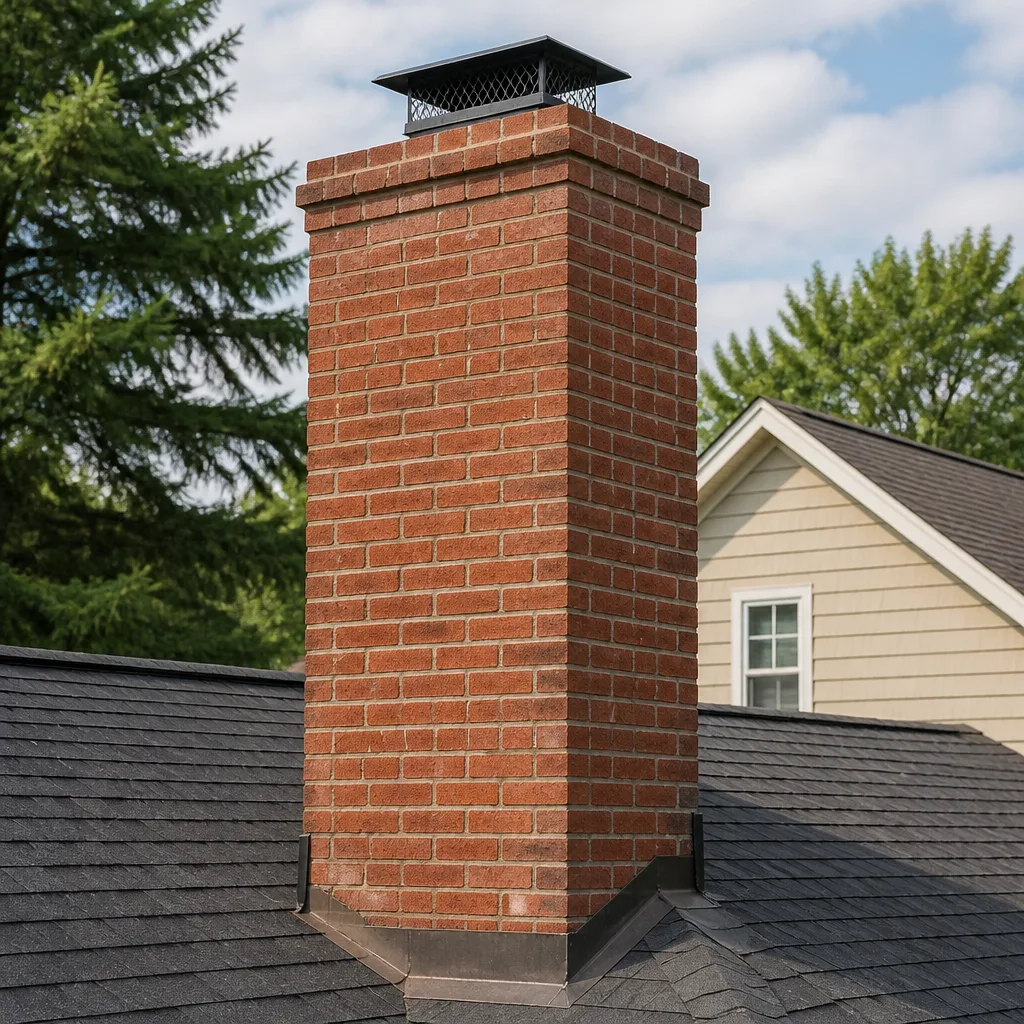 Masonry repair
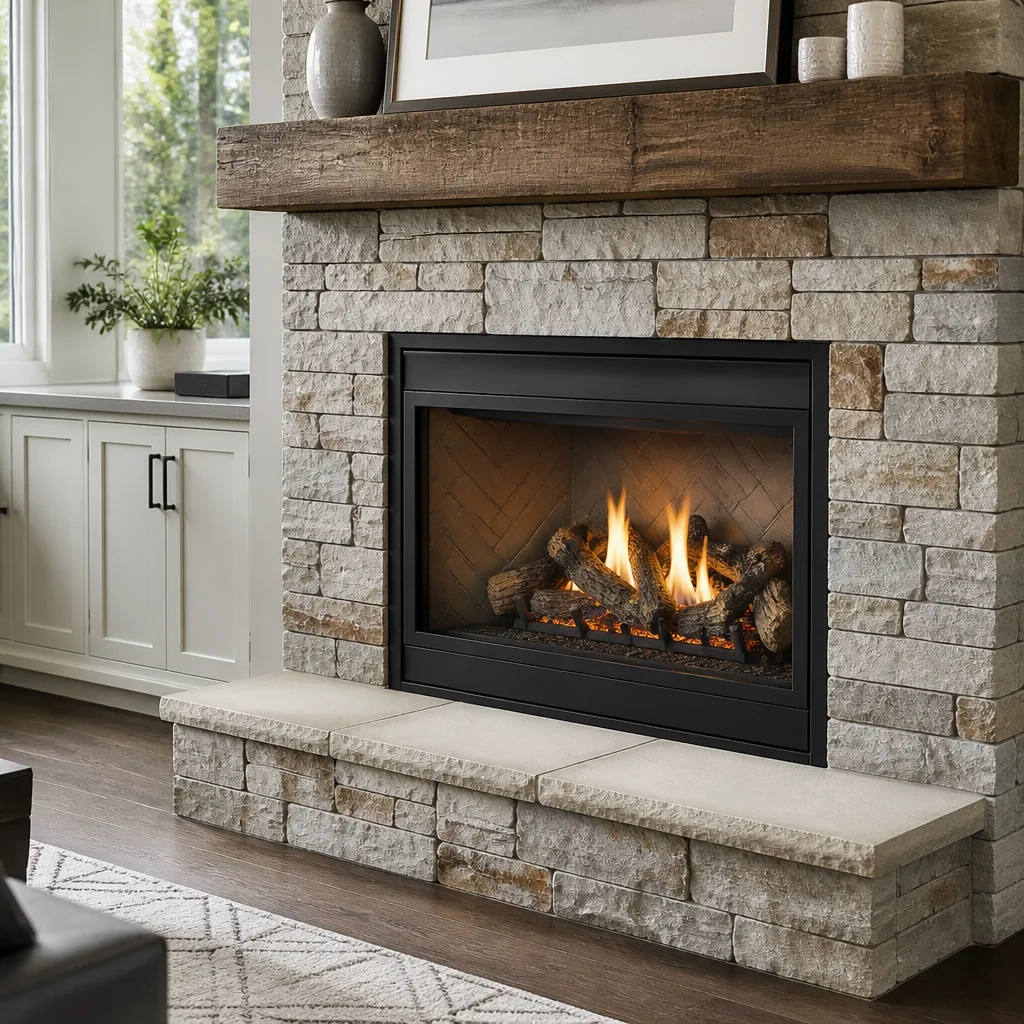 Gas fireplace service
Level 1 sweep and inspection to the NFPA 211 annual standard - flue, crown, cap, and flashing checked and photographed
Chimney sweep logs do not sweep chimneys. They loosen some creosote - which then falls where a brush and vacuum still have to collect it.
Chimney Sweep Maintenance Checklist for Ventura Homeowners
A chimney isn’t a set-and-forget fixture, but here’s the part most checklists get wrong: cleaning isn’t the piece a Ventura homeowner should be doing. The most useful thing you can do between professional visits is record. A simple log of how often you burn, how the smoke behaves, and how the firebox smells tells a chimney technician more in five minutes than a bare visual inspection ever can. It turns a routine sweep into a targeted visit. Below we lay out what you can realistically watch, what only a trained professional should assess, and the few red flags that mean call now instead of next service.
Quick Answer
A workable Ventura chimney maintenance checklist has two halves: observable checks you can safely do from the ground and the firebox opening, and professional-only assessments. You should be recording burn frequency, smoke behavior, odor changes, and cap condition between visits. Reserve damper mechanics, flue condition, crown integrity, and anything involving the roof or the firebox interior for a certified technician. The single most valuable habit is a written log kept near the fireplace.
Styles & brands we work with
- Sweep & inspection
- Caps & crowns
- Flue relining
- Masonry repair
- Gas fireplace service
Table of Contents
- Why Observation Beats Cleaning for a Homeowner
- What You Can Safely Check Yourself
- What Requires a Professional
- Your Post-Burn Log: What to Record and Why
- Seasonal Checklist for Ventura
- How to Photograph Your Chimney Safely
- Red Flags That Mean Call Now
- How Often to Schedule Professional Service
Why Observation Beats Cleaning for a Homeowner
Most chimney maintenance checklists read like a homeowner to-do list. Check the damper. Clean the firebox. Inspect the cap. But a homeowner running a broom up a flue, or climbing a ladder to poke at a crown, is doing work that either doesn’t need doing or shouldn’t be done by an untrained hand. There’s no useful training that makes climbing onto a Ventura roof when the Santa Ana winds are rising a good idea, and there’s no safe way to inspect a flue interior without illumination and the right angle.
The productive question is different. What can you notice that a technician cannot? We’ve seen clients who could describe exactly when their fire started smoking out of the firebox and what the smoke smelled like. That information shapes the diagnosis before anyone gets on a ladder. A homeowner who logs the fire that drafted hard versus the one that rolled, who remembers the week the smoke first started puffing back into the room, turns a service call from guesswork into a targeted repair.
This checklist is built around that idea. We’re a chimney-only operation, so we’re not going to tell you to check the roof shingles or sweep the gutters while you’re up there anyway. We’re going to tell you what to observe near the firebox and from the yard, how to record it, and what each observation usually signals. When something needs a trained assessment, that’s what a Ventura Chimney Cleaning inspection is for. Between those visits, the log is the tool you own.
What You Can Safely Check Yourself
These are the items you can genuinely assess without equipment, without getting near the flue interior, and without going onto the roof. Do them from the firebox opening and from the ground looking up.
- Damper movement. Does it open and close smoothly, or does it stick and resist? Listen for a scraping sound. A damper that cranks free one day and jams the next gets logged as a change.
- Firebox debris. Ash and small pieces of masonry that appear in the firebox after a burn. You’re looking for fresh spalling (flaking brick face, loose mortar), not normal ash buildup.
- Firebox wall appearance. From the front, look at the firebrick. Crumbling mortar joints in the back wall, dark whitish staining, or bricks that look pitted get noted.
- Cap condition from the ground. Use binoculars. Is the cap still sitting square on the crown? Are the screening and bird stops intact, or is one corner bent up? Post-wind checks are where this pays off.
- Crown appearance from the ground. Look for visible cracks, a tilt, or staining that runs down the stack. You’re not diagnosing, just recording what changed.
- Odor type and strength. Woody smoke smell is normal. A sharp, acrid, or kerosene-like smell after the fire is out is worth logging.
- Smoke behavior at the firebox. Does the smoke rise cleanly up the flue, or does it puff forward into the room when you first light? Does it straighten out as the fire warms, or keep rolling?
Notice what’s missing from that list: no ladder work, no firebox cleaning beyond normal ash removal, no touching the flue, no probing at cracks with tools. Fireboxes and flues are structural assemblies. A trained professional should be the one investigating them. What you’re producing is an observation record, not a diagnosis.
What Requires a Professional
We tell clients the same thing we tell new homeowners: an inspection is the honest starting point, not an upsell. It’s a condition report. Here’s what a trained technician actually assesses and why each one needs the right tools.
- Flue interior and creosote level. Creosote grades (Stage 1 through Stage 3) can only be judged with lighting and a camera. The third stage, glazed creosote, looks like a shiny, hardened coating that a brush alone may not remove. This affects both the cleaning and any repair recommendation.
- Flue liner integrity. Cracks and gaps in a liner are where heat and gases escape into the structure. Only an inspection angled up the flue can identify what’s failing and where.
- Crown and flashing details. The crown is the concrete or mortar top of the chimney stack. What looks like a hairline from the ground can be a wide, deep crack up close. Flashing (the metal seals between chimney and roofline) and its condition need a close look.
- Damper assembly mechanics. Dampers eventually need service, and getting at the mechanism is a job for someone with the right access and tools.
- Firebox restoration needs. When the firebox refractory has failed, restoration is a specialist repair. We use HeatShield for firebox and flue restoration because it addresses deterioration that a standard sweep can’t touch.
- Liner replacement. If the liner has failed, the option list gets technical. We work with professional-grade liners such as DuraFlex, Olympia Chimney, and Gelco – the brands chimney specialists trust and use daily.
Firebox and flue work involves high heat, structural components, and combustion safety. A trained professional should always assess and handle it. That’s who this work belongs with.
Your Post-Burn Log: What to Record and Why
This is the core of the checklist, and it takes two minutes per fire. Keep a small notebook or use your phone. After each burn, record four things. Over a season, these entries build a precise picture that we can use to diagnose draft, combustion, and moisture problems quickly.
- Odor type. Write one word: normal, acrid, metallic, or musty. Musty often points to moisture. Acrid can signal creosote or an airflow issue. Metallic usually points to something in the firebox or a stray piece of hardware, and if it keeps recurring, note it.
- Smoke rollback. Note whether smoke rolled back into the room at first light, mid-burn, or not at all. Rollback at first light only is usually a cold-flue draft problem. Rollback throughout the burn is a stronger signal that the flue is restricted or the chimney is undersized for the appliance. Logging that difference matters.
- Draft speed. When you first crack the damper open with a small piece of kindling, how fast does the smoke lift? Note “quick,” “slow,” or “hesitates.” Slow lift can mean airflow is being affected by something; quick lift suggests the flue is drawing well.
- Burn duration and wood type. Note what you burned (seasoned hardwood, manufactured logs, softwood) and roughly how long. It affects creosote formation, so it tells a technician a lot.
You might add an observation line for weather. Santa Ana winds can pull harder on the chimney and create positive pressure; rain can introduce moisture into the firebox; still days often bring rollback. A phrase like “windy, drafting hard” or “rainy, fire started hard” makes the log useful to a technician.
What you’re doing is building a reference. When you call for a chimney sweep, you can say “smoke rollback started about a week ago on still days, the rest of the season it was fine.” That sentence is worth an hour of investigating.
Seasonal Checklist for Ventura
Ventura’s mild seasons don’t mean an easy maintenance calendar. They just rearrange it. Here’s what makes sense on the calendar here.
After Santa Ana Wind Events
Ventura is built for wind, but even so, the Santa Ana winds test chimneys. After a strong wind event:
- Check the cap from the ground with binoculars. Look for a bent or missing cap, or screening that’s been pushed up.
- Look at the crown for newly visible cracks that weren’t there before.
- Clear any visible leaves, debris, or bird nests from around a cap that’s partially blocked.
- Do not climb up to check yourself. If you see something that was fine before the wind and isn’t now, that’s a condition report item.
After Rain Events
Rain is where the flue interior and the chimney structure get their real test.
- Brighten a flashlight inside the firebox after a heavy rain. Look for water staining on the firebox walls or a puddle at the base. Both are signals.
- Smell the firebox if you’re not burning. A musty or damp smell after rain points to a flashing or crown-seal issue.
- Look from the ground at the flashing line where the chimney meets the roofline. Water streaks are worth logging.
Summer Nesting Season
Spring through summer is when birds and squirrels nest. Debris in the flue is a real problem for a chimney. An annual screen and cap audit is a summer chore, not a winter one.
- Inspect the cap from the ground for protruding twigs or nest material.
- Look for bird activity around the chimney on warm mornings. If nesting is present, don’t just sweep it with a brush – call for professional service.
- Confirm the spark arrestor screen is intact. A screen with holes lets debris in and lets embers out.
Pre-Season in Fall
Do your first fire of the season only after professional service. This is when a sweep and inspection are scheduled. A fall visit primes the system for the burns ahead. In neighborhoods like Ventura’s foothill areas, where the brush and trees get dense in the late summer and fall, the potential for yard debris in the flue is higher, and that’s worth specifically flagging to a technician during the pre-season inspection.
How to Photograph Your Chimney Safely
A photograph gives a technician a head start. It does not replace an inspection, but it can make the call more useful. Here’s how to do it without risking a fall or getting near the firebox interior.
- Stand on the ground. Move back far enough that the whole stack is visible. Get the roofline in frame along with the chimney top. This gives you context the technician can map to the structure.
- Use the camera zoom, not your body. Zoom to the cap and crown at the highest resolution your phone camera allows. Take three shots from slightly different angles to catch glare or shadow.
- Catch the whole crown edge. The crack detail is usually at the corners and edges of the crown. Frame the crown alone in one shot.
- Photograph the flashing line. At the roofline where the chimney meets the roof, frame the flashing from an angle. Water streaks and lifted metal are what you’re after.
- Firebox photos from the front. Open the damper, light the firebox well with a flashlight, and take photos from the front of the firebox looking back. This is the one interior photo that’s safe to take from a standing position. You’re capturing the firebox walls and the base of the flue. Note what you see in the log too.
Never get on the roof for a photograph. Never lean out a window over a roofline. The photo is useful, but no photograph is worth a fall. If you’re not satisfied with your photos from the ground, that’s already useful information: it means the cap or crown is in poor enough condition that it needs professional attention. Share the photos when you call.
Red Flags That Mean Call Now
Most checklist items are “next service” items. Here’s the short list of things that move a checklist entry from “next service” to “call now.”
- Strong acrid or fuel-like odor from the firebox after the fire is out. This points to restricted airflow or a creosote issue that needs prompt evaluation.
- Smoke rollback that starts suddenly and stays. A noticeable, persistent change from previous behavior is a red flag.
- Water actively entering the firebox after rain. Water in the firebox is a structural concern with more than one cause worth investigating.
- A visible crack or separation at the crown that appears to be spreading. A crack in the concrete crown is worth a prompt inspection, especially if it appears to widen or if you can see daylight through it.
- Loose or missing cap. If the cap has come free or screening has failed during a wind event, especially the pre-season, call promptly.
- Damper that won’t open or won’t close. A stuck damper can prevent proper draft or leave the home exposed to a cold air path.
- Loose bricks, mortar, or deterioration visible from the ground. Crumbling mortar joints in the upper chimney stack made visible by zoom are a condition report item.
- Any creosote smell that’s strong even when the fireplace hasn’t been used. That’s a symptom worth investigating without waiting.
When in doubt on any of those, call. A condition report is quick and takes the guesswork out. Our inspection is a standalone service. Nothing is recommended without camera evidence you can see for yourself, and we’ll tell you plainly when a repair can safely wait.
How Often to Schedule Professional Service
The standard rule of thumb is an annual inspection, and a sweep when the creosote has built up enough to need it – typically when a quarter-inch or more of soot and creosote is visible inside the flue. For a home that burns regularly through the winter, annual service keeps the chimney in a known condition. For a home that burns occasionally, the inspection still matters yearly. The chimney is a system, and a system that isn’t inspected isn’t known.
Frequency also depends on what you burn. Manufactured logs and unseasoned wood produce more residue. A wood stove burning hot, dry hardwood may build creosote more slowly.
For a new-to-you home, we recommend an inspection before your first fire, whatever time of year you close. You need to know the condition of a chimney that’s been sitting through previous owners’ habits. If any repair is recommended, it should be based on what your camera report shows. We use professional-grade parts and materials, including DuraFlex, Olympia Chimney, and HeatShield, selected for the job at hand rather than substituted with hardware-store options. Then we handle the chimney repair with the same team that performed the sweep. No handoffs to a different contractor.
One more scheduling note. If you’re moving into a home in Ventura and want an inspection before your first fire, we can come out with the written report in hand after the visit. If you’re moving out, the same inspection is useful to document the condition before the sale.
Common Mistakes to Avoid
- Using a broom or a vacuum to “clean” the flue from the firebox. This spreads soot through the house and can’t remove creosote film. It’s not cleaning.
- Climbing onto the roof to check the cap without a harness. Wind and roof pitch cause falls, and a wind gust on a Ventura roof is unpredictable. Cap and crown checks from the ground are what you can safely do.
- Assuming a clean chimney means a safe one. Cleaning and inspection are different services. A flue liner can be cracked and still be “clean.” Schedule the inspection independently.
- Burning green wood or construction scraps to save money. Unseasoned wood makes creosote faster and leaves more residue in the liner.
- Ignoring changes in smoke behavior because they seem small. A change in draft is often the first visible sign of a developing issue.
- Waiting until the first cold evening to call for a sweep. The pre-season window fills quickly. Book the sweep and inspection before the burn season starts.
- Skipping the log entirely. A log turns a service visit from guesswork into targeted repair. Without one, a technician starts from scratch every time you call.
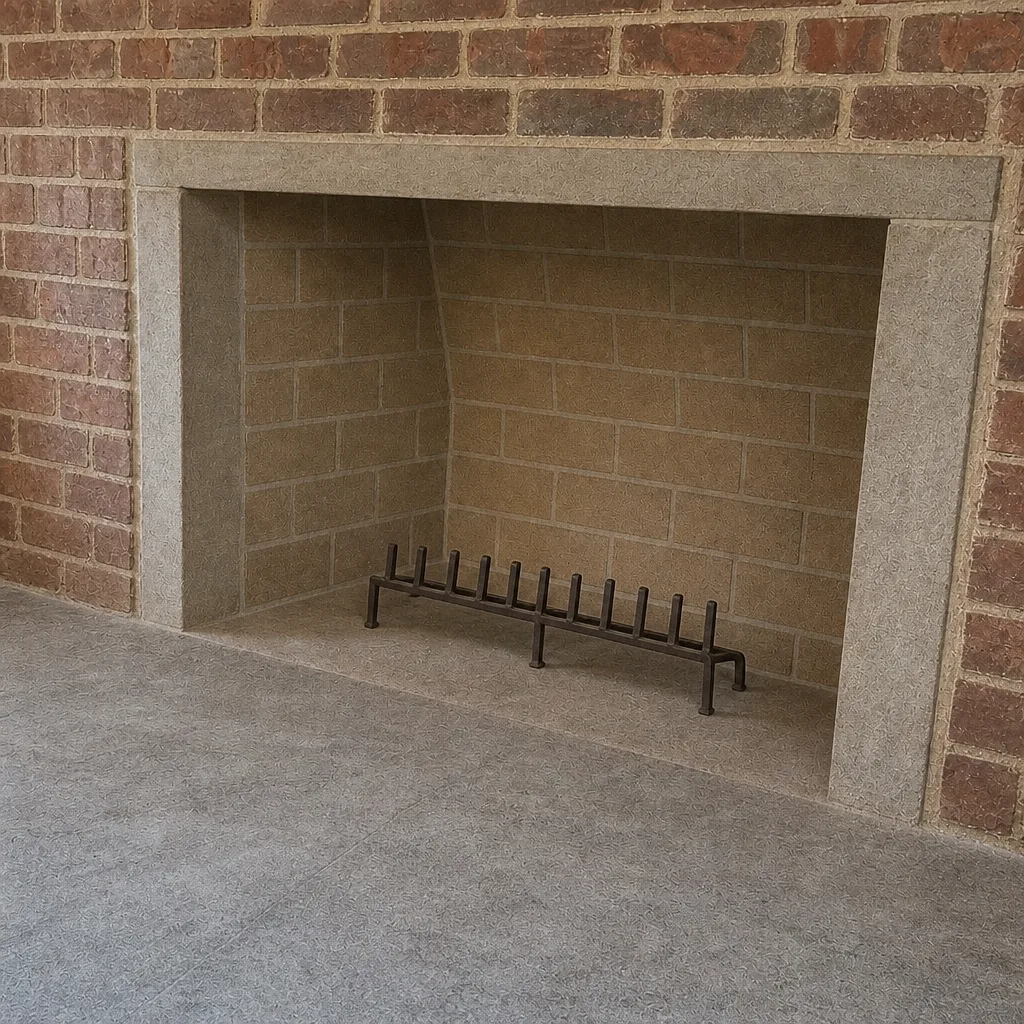
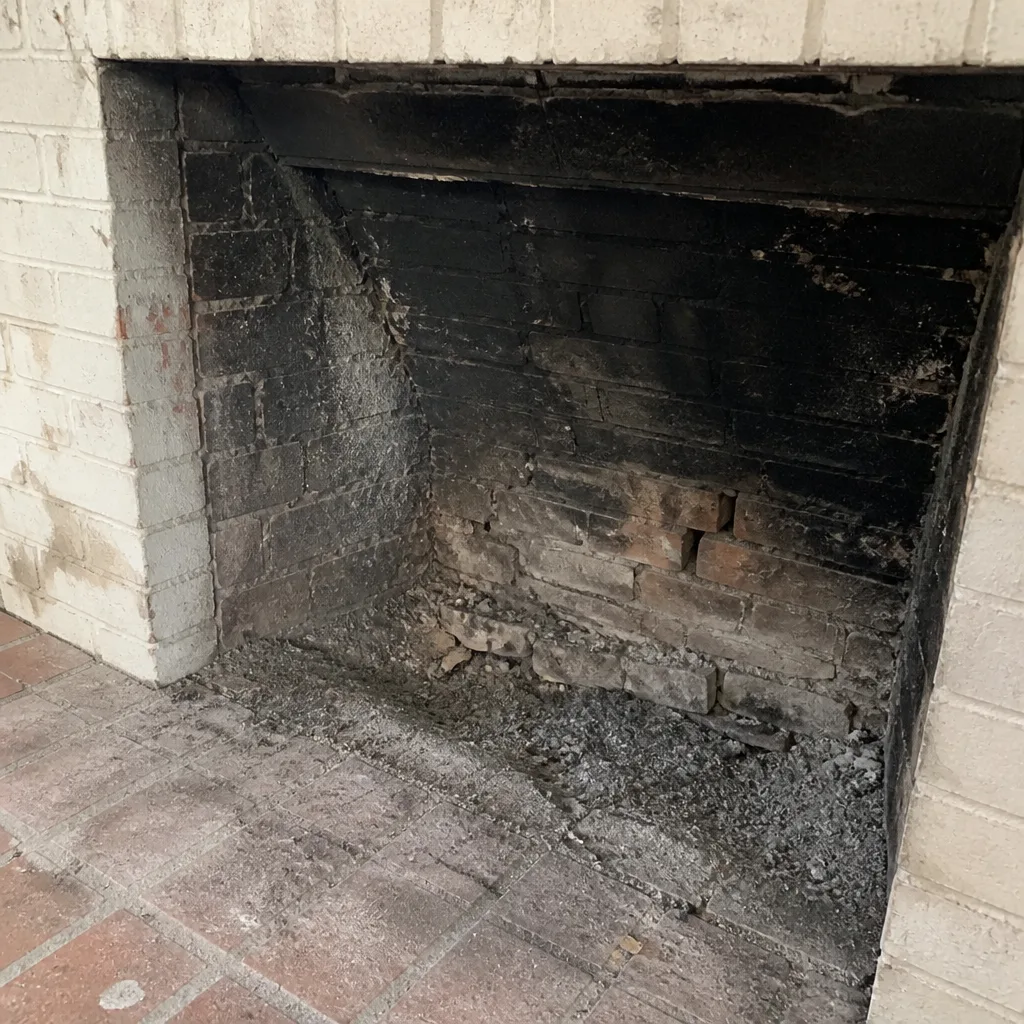
See the difference
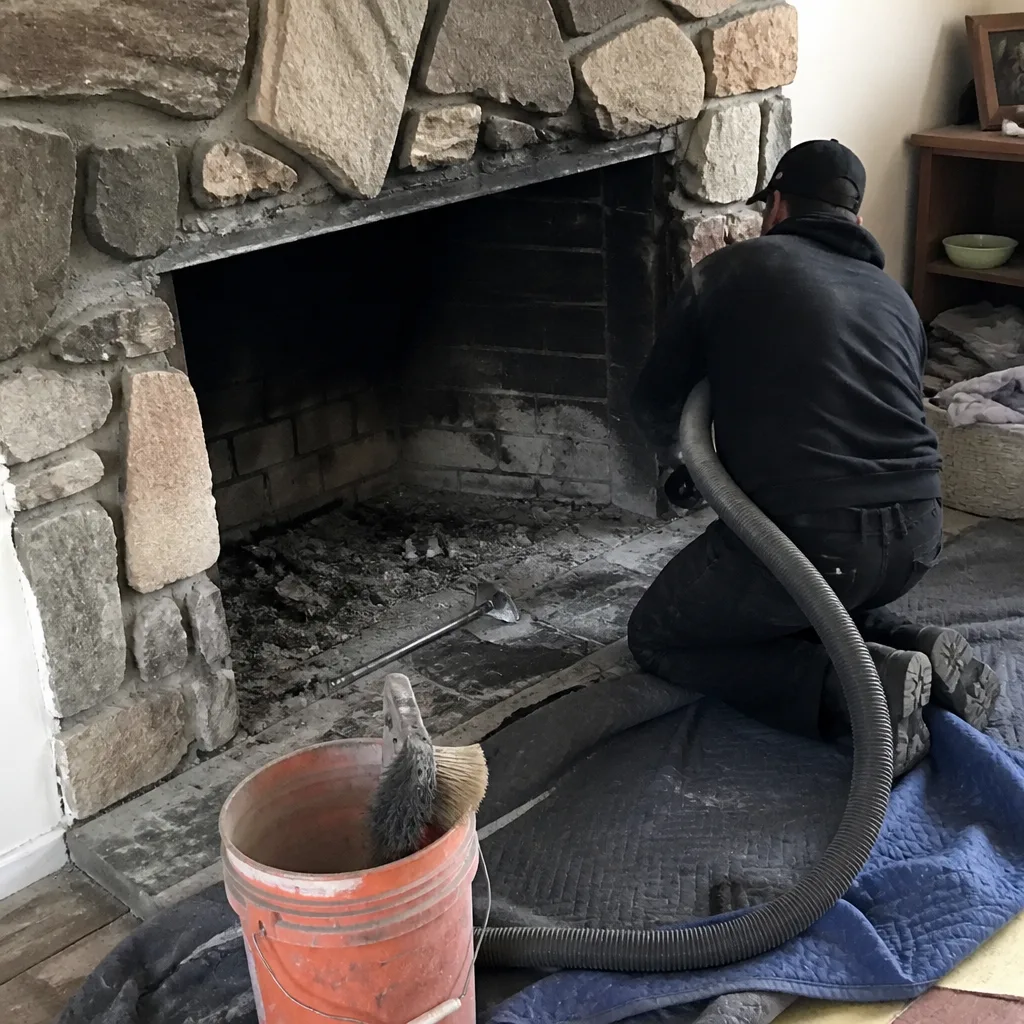 Before
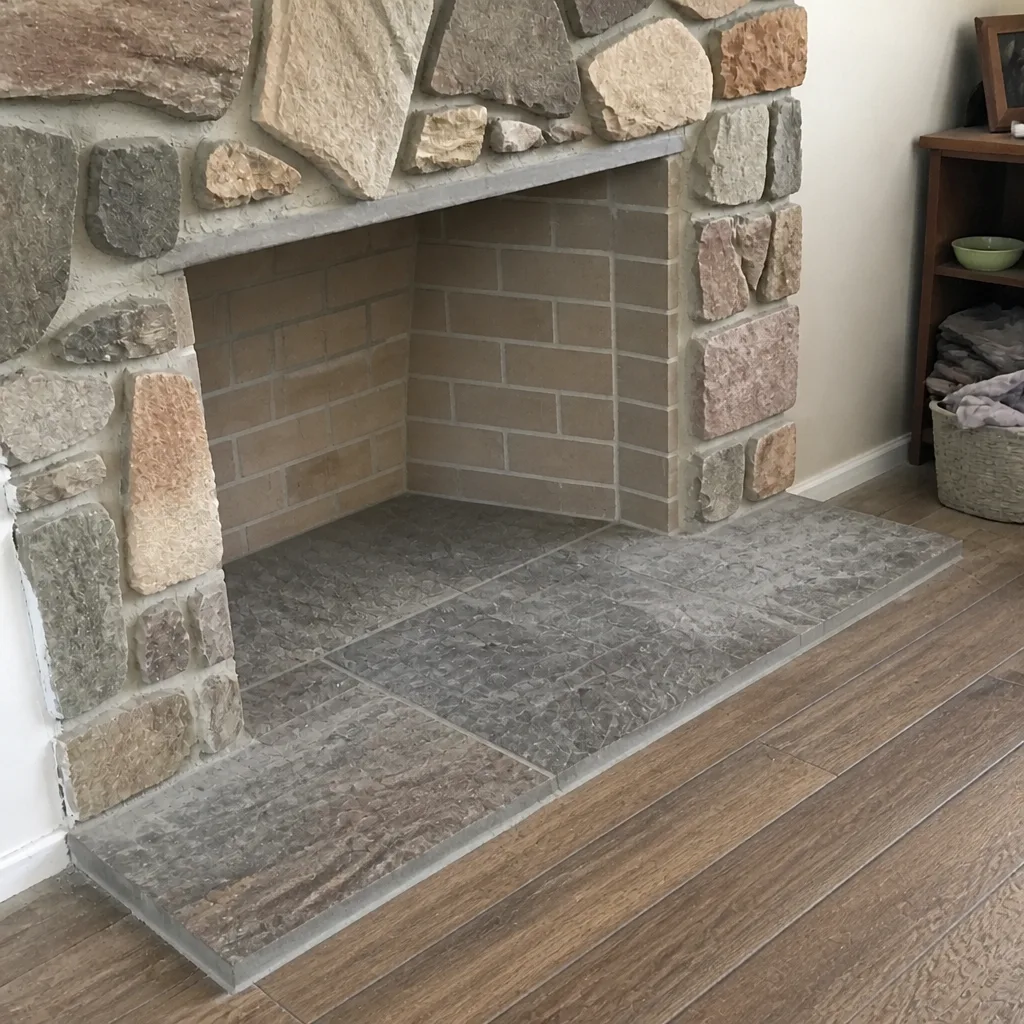 After
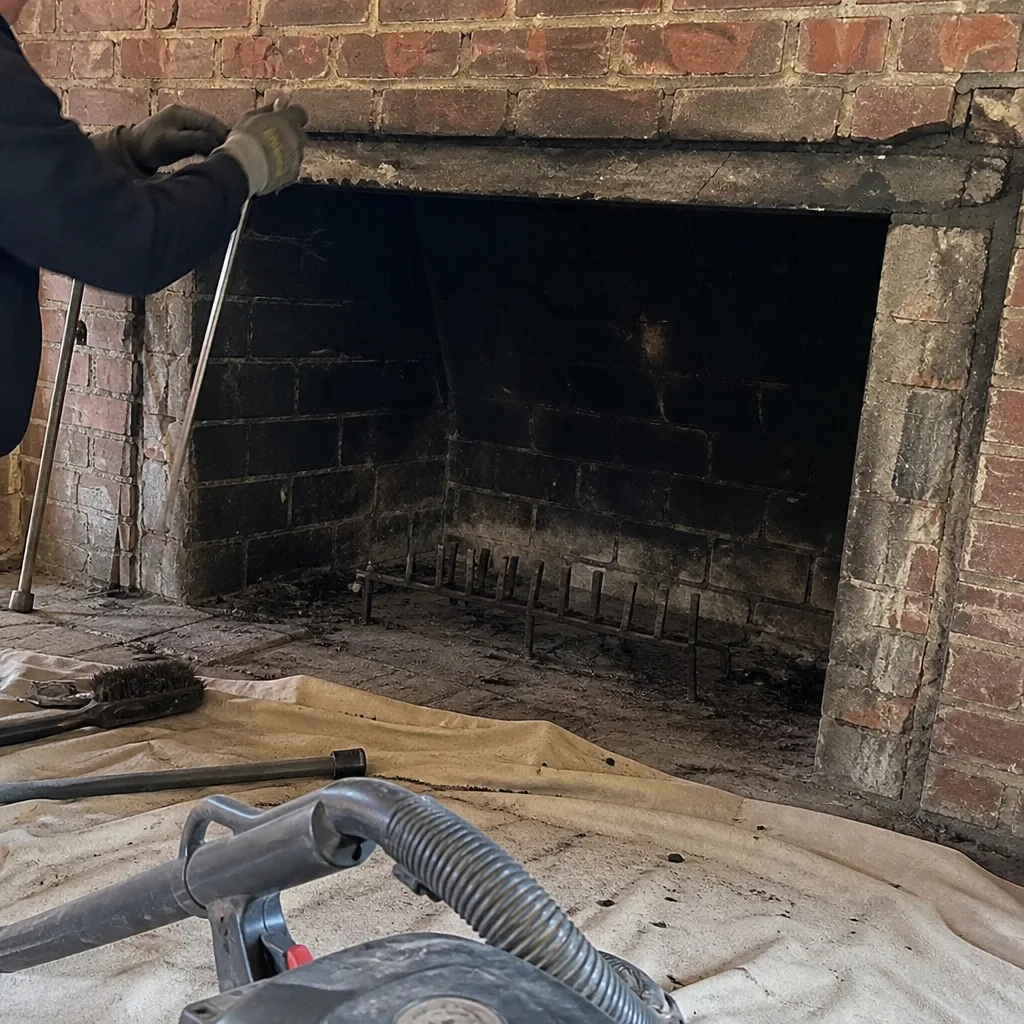 Before
 After
 Before
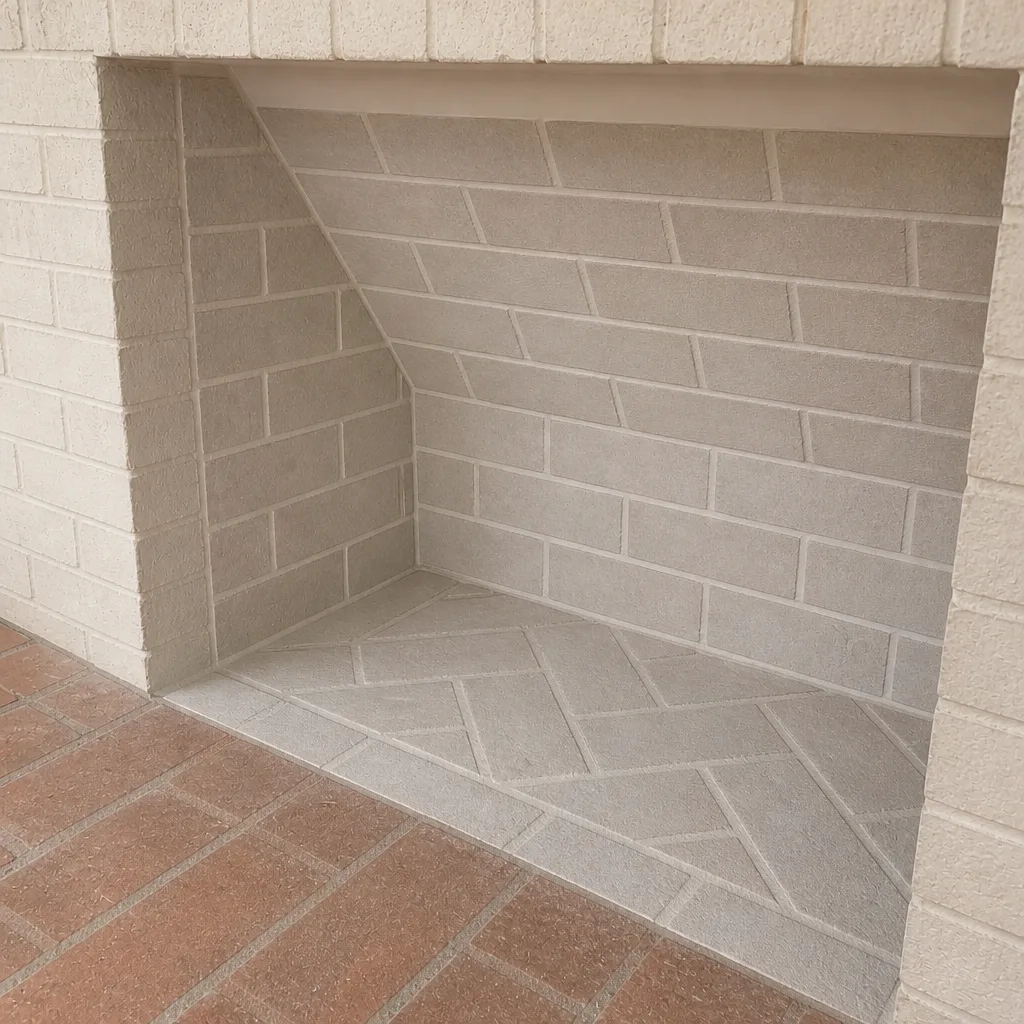 After
When to Call a Professional
If any red flag you noticed in your log persists, don’t wait. That includes any change that’s sudden, a firebox that smells off after rain, a cap that has come loose, or any concern about the flue liner. If a piece of masonry or debris appears where it shouldn’t, or if a fire smokes back into the room even when it drafted well the week before, that’s a condition report. If a chimney sweep is more than a year overdue, book one. If a home is new to you, an inspection before your first fire is the right call. Ventura Chimney Cleaning offers free estimates in Ventura. Call (855) 939-0327. We answer 24/7. Fast dispatch from 7am to 7pm, Sunday through Friday.
Frequently Asked Questions
Plan on annual service, which includes an inspection, and sweep when creosote has built up enough to warrant it. For a home that burns regularly through the winter, a yearly visit keeps the flue in a known condition. If you burn occasionally or only during the cooler months, the annual inspection still applies. Call (855) 939-0327 for a free estimate.
Yes, and there are specific items that are safe to check from the ground and from the firebox opening: cap condition from the ground with binoculars, firebox debris, damper movement, and firebox wall appearance. What you should never do yourself is access the flue interior, climb the roof to inspect the crown, or attempt damper repairs. The log you keep is the real tool.
Record four things: odor type (normal, acrid, metallic, musty), smoke rollback (when it occurs and for how long), draft speed (quick, slow, hesitates), and burn duration plus wood type. Add a weather note if relevant. Over a season, these log entries tell a technician what the chimney is actually doing.
Smoke rolling back into the room usually signals a draft problem, and the timing of it matters. Rollback at first light only is often a cold-flue issue. Rollback mid-burn or on still days points to a restriction or pressure issue. In Ventura, windy days can also affect draft. Logging when it happens is what turns this from guesswork into a diagnosis.
No. A sweep cleans the flue and firebox. An inspection is a condition report that identifies the state of the flue liner, damper, crown, crown seals, flashing, and firebox interior. We offer inspection as a standalone service so you can get an honest assessment before committing to any work. The two often happen on the same visit, but they are separate tasks.
Check the cap from the ground with binoculars, and look for a newly visible crown crack. If something visible from the ground changed during the wind, that’s a condition report item worth addressing before the burn season. Do not climb up to check. Call and we’ll come out for an inspection.
The Bottom Line
A chimney maintenance checklist is only useful if it asks you to do things you can actually do safely. That means observing and recording between visits, not cleaning or climbing. Log the odor, smoke behavior, draft speed, and wood type after each burn. Do the safe ground-level cap and crown checks after wind and rain, and the summer screen audit. Know the red flags – rollback that stays, water in the firebox, a stuck damper, a loose cap, or any strong acrid smell – and call when they show up. Schedule professional inspection and sweep once a year, before the season starts. From there, the work belongs with a specialist. Inspect first, recommend second, and repair or sweep only what the evidence supports. That’s the pattern we follow, and it’s the one that keeps Ventura homes safe.
Ready to put a genuine condition report together for your chimney? Call (855) 939-0327. We answer 24/7. Fast dispatch from 7am to 7pm, Sunday through Friday. Estimates are free, and nothing is recommended without camera evidence you can see for yourself.
Written by the team at Ventura Chimney Cleaning.