
Last updated November 16, 2026
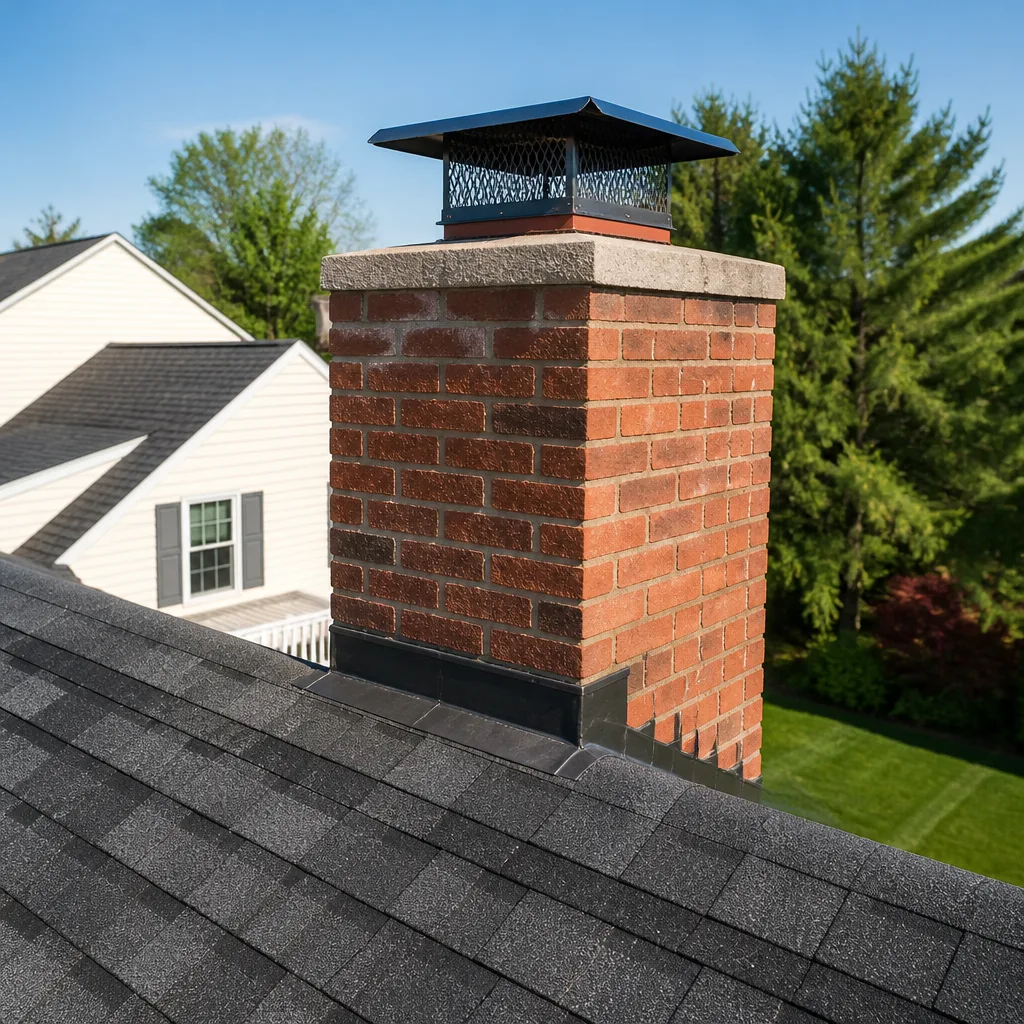 Sweep & inspection
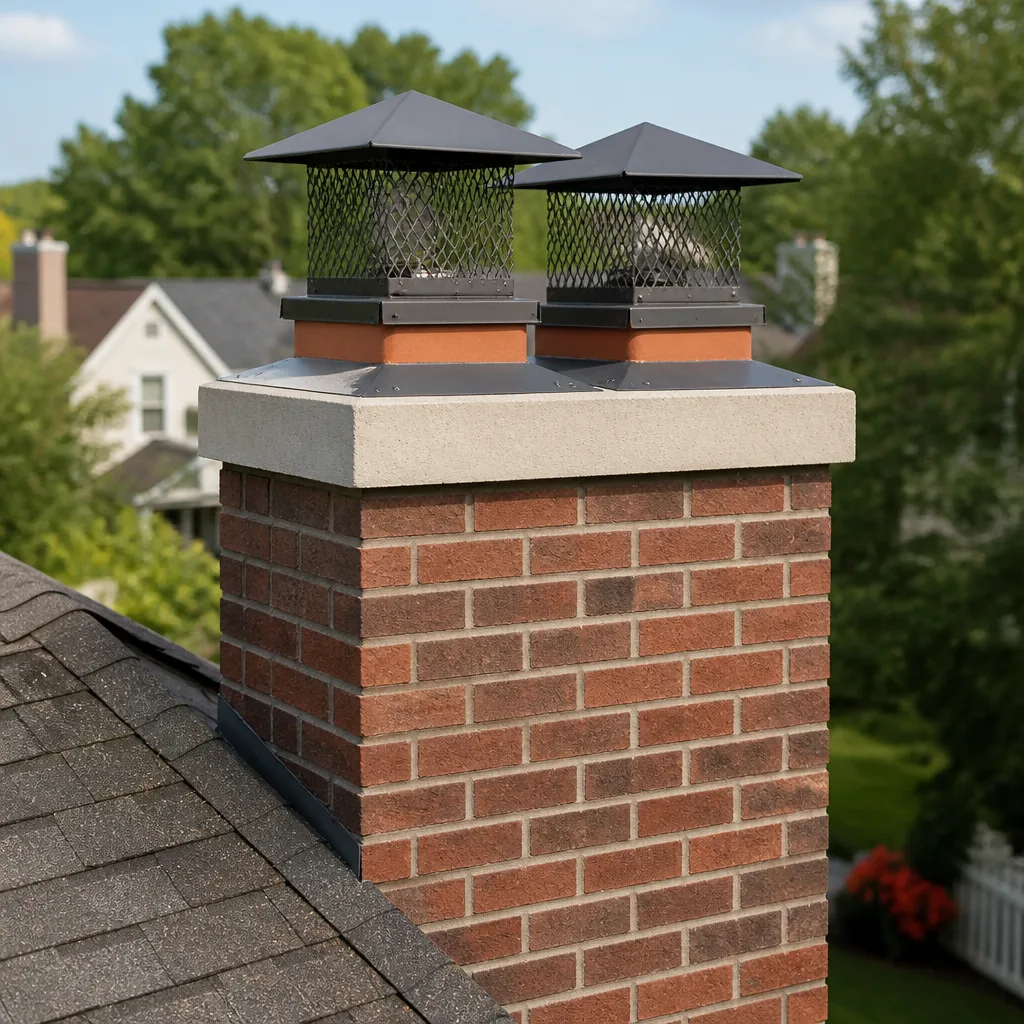 Caps & crowns
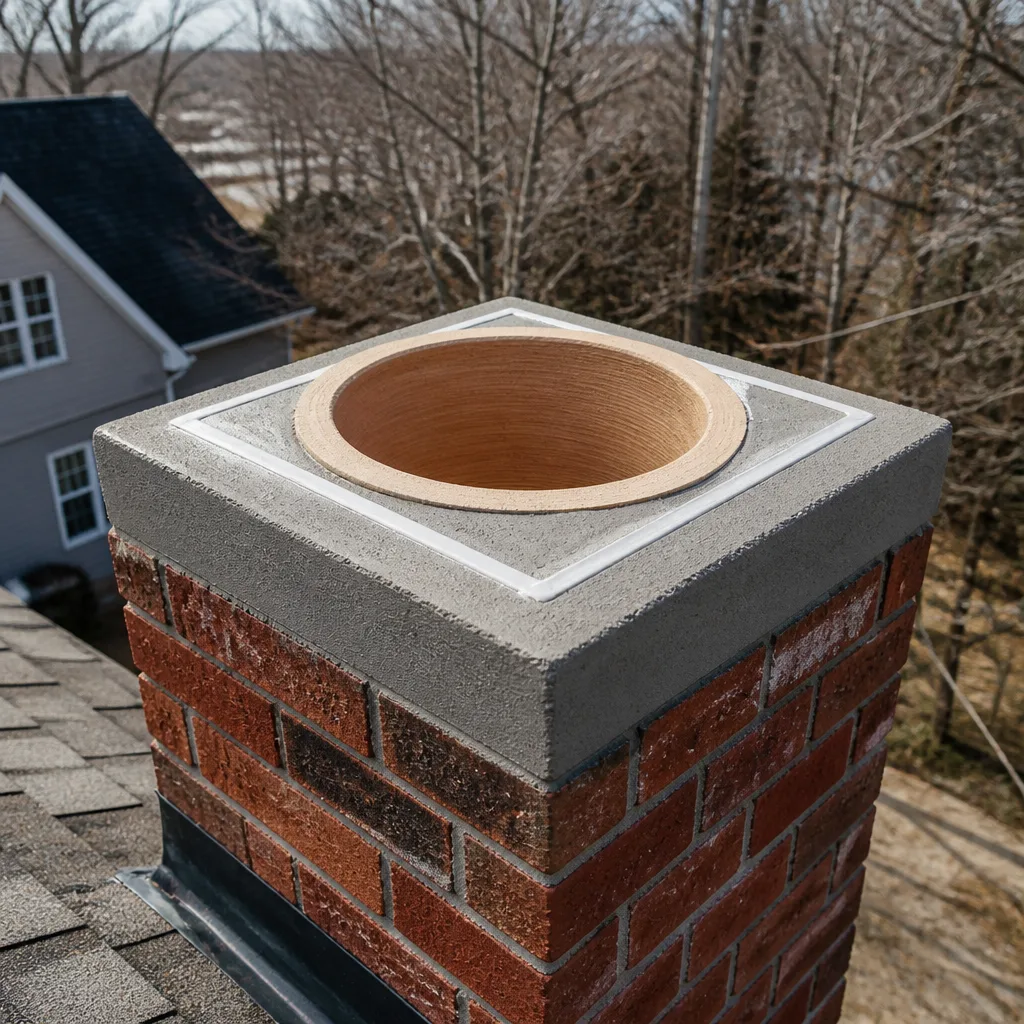 Flue relining
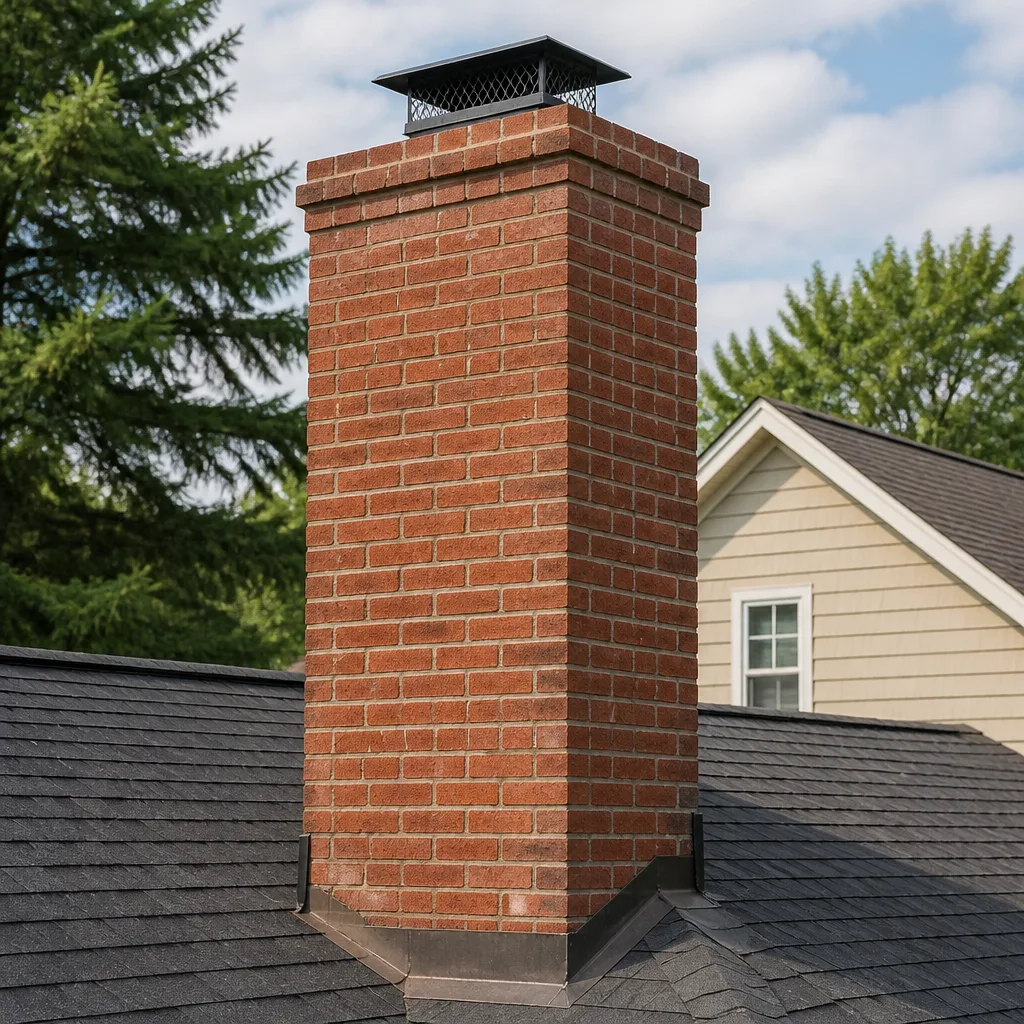 Masonry repair
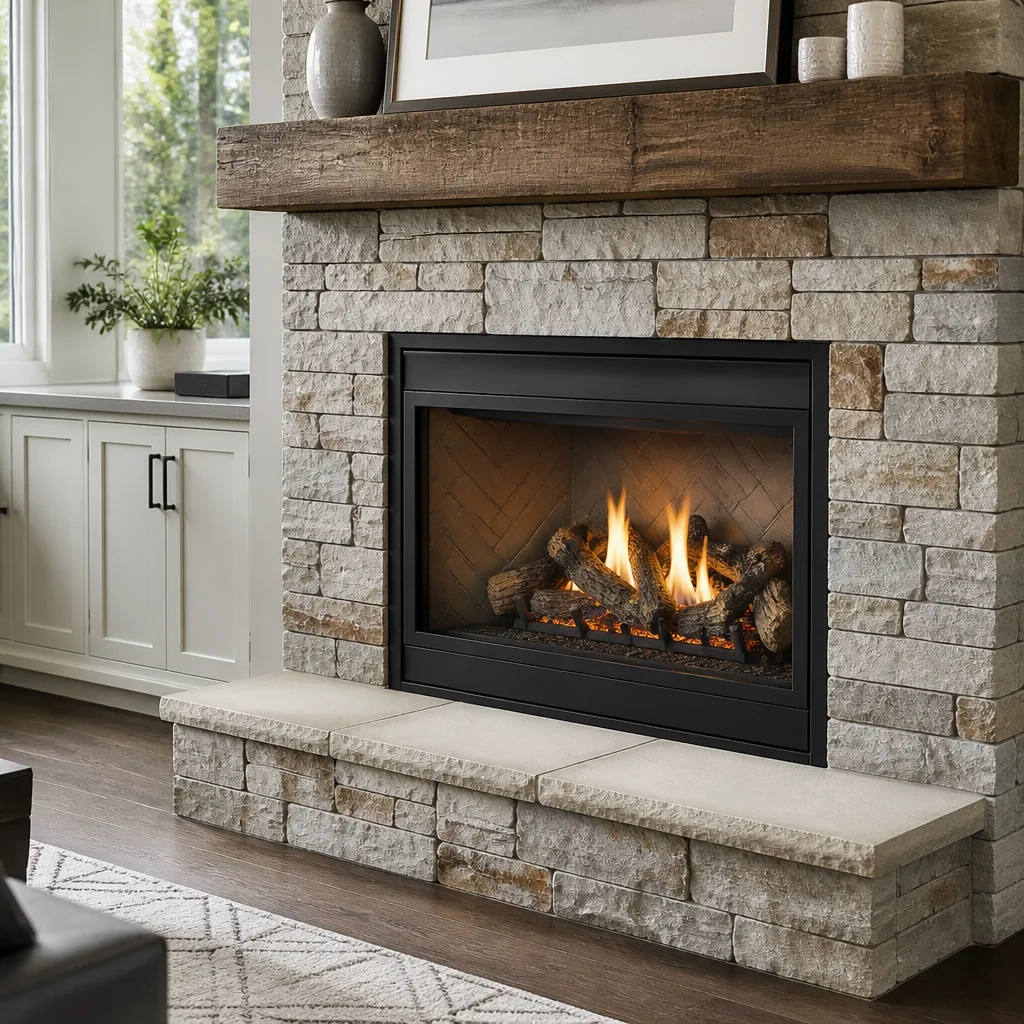 Gas fireplace service
Level 1 sweep and inspection to the NFPA 211 annual standard - flue, crown, cap, and flashing checked and photographed
Chimney sweep logs do not sweep chimneys. They loosen some creosote - which then falls where a brush and vacuum still have to collect it.
Chimney Cleaning Emergency Preparedness Guide for Ventura Homes
Most homeowners picture a chimney fire as something dramatic, with flames visible from the street. The reality is quieter and more dangerous: a slow, roaring rumble inside the flue that many people mistake for wind or a struggling draft. The families who come through a chimney fire with the least damage aren’t the ones who react fastest. They’re the ones who already knew where their damper handle sits, had an extinguisher within reach, and kept a recent inspection report on file. This guide walks through those first ten minutes, how to recognize a fire in progress, and what pre-season preparation actually changes the outcome in Ventura.
Quick Answer
If you suspect a chimney fire in Ventura, call 911 first, get everyone out of the house, and close the damper and glass doors only if you can do it safely on your way out. Never pour water into a masonry fireplace. After the fire department clears the scene, don’t burn again until a certified technician performs a Level 2 inspection of the flue and any damaged components are repaired.
Styles & brands we work with
- Sweep & inspection
- Caps & crowns
- Flue relining
- Masonry repair
- Gas fireplace service
Table of Contents
- The First Ten Minutes of a Chimney Fire
- How to Recognize a Chimney Fire in Progress
- What Not to Do During a Chimney Fire
- What to Do After a Chimney Fire
- Pre-Season Preparation for Ventura’s Fire Risk
- How Inspection Records Affect Your Insurance Claim
- Understanding Chimney Inspection Levels
- Building a Chimney Emergency Kit
The First Ten Minutes of a Chimney Fire
Flue temperatures in a chimney fire can climb past 2,000°F in under a minute. That’s why the first actions matter more than any other response. Here’s the sequence we recommend every Ventura homeowner memorize before the heating season starts.
- Get everyone outside. Alert every person in the home and exit. Do not stop to gather belongings. Once outside, call 911 and stay out until the fire department says it’s safe to re-enter.
- Close the damper and any glass doors if you can do so safely on the way out. Cutting the air supply starves the fire. This is the single most important action after evacuation, but only if it costs you no delay.
- Call 911. Don’t wait to confirm it’s “really” a chimney fire. Firefighters would rather respond to a scare than arrive at a fully involved roof fire. Chimney fires that spread to the attic or roof structure can go from contained to catastrophic quickly.
- If there’s time and you can do it safely, discharge a chimney fire extinguisher or dry chemical extinguisher into the firebox. Never use water on a masonry fireplace. Thermal shock from cold water on a superheated firebox can crack the masonry and trigger a structural failure.
- Watch the roofline from outside. Sparks or flames from the chimney top, or smoke pouring from roof vents and eaves, tell you the fire has spread. Relay this to the dispatcher.
Every Ventura home with a wood-burning fireplace benefits from walking through that sequence once a season. It’s not a drill you’ll regret doing.
How to Recognize a Chimney Fire in Progress
A chimney fire doesn’t always look like a fire. Many smolder or burn hot but silent. Recognizing the signs is the difference between a call to 911 and a call you make two weeks later when you notice a crack in the flue.
Sounds
- A low, rumbling roar that sounds like a distant train or a passing jet
- Loud popping, cracking, or tapping from inside the flue (metal liners can telegraph heat expansion)
- Whistling or a high-pitched sound from the chimney top
Smells
- A sharp, hot, almost chemical smell inside the home
- Dense smoke that suddenly fills the firebox or spills into the room despite an open damper
- Burning creosote can smell acrid and different from normal wood smoke
Visual Cues
- Dense smoke or flames coming out of the chimney top
- Sparks visible from the roof
- Discolored or warped chimney caps
- Creosote flakes or black soot appearing in the firebox or on the roof
- Visible heat shimmer near the chimney on the exterior
If you notice any combination of these signs, evacuate first. Confirming it’s “really” a fire isn’t your job. Getting everyone out and calling 911 is.
What Not to Do During a Chimney Fire
A lot of chimney fire damage we get called out to inspect in Ventura isn’t from the fire itself. It’s from what the homeowner did in the moment. These are the mistakes to avoid.
Never pour water into a masonry fireplace
A masonry firebox heated to intense temperatures can shatter or crack if cold water hits it. The resulting damage ranges from a cracked firebox to a compromised flue that no longer vents properly. This is a fire-and-water hazard combined.
Don’t close the damper if the fire is already in the flue and you’re not certain of the smoke path
Cutting off the air supply is helpful for a fire contained in the firebox. But if the fire is already climbing the flue, closing the damper can trap smoke and heat inside the system and potentially force it through cracks into the home. The order is: get everyone out, then close the damper only if it’s on your way out.
Don’t fight the fire yourself
A fire extinguisher for chimney use is a safety tool, not a firefighting plan. If you can’t reach the firebox in a single safe action, leave. Structure fires start at the chimney-wall interface and move fast.
Don’t wait for the chimney to “cool down” before calling 911
Every minute is a data point for the firefighters and, later, for your insurer. Calling immediately gives you a crew that can inspect the roof and attic while the fire is still contained.
Don’t re-light the fireplace before a professional inspection
Even a small fire can crack flue tiles, warp a metal liner, or leave behind a creosote layer that will reignite the next time you build a fire. A single re-light can cause a much larger fire than the first.
What to Do After a Chimney Fire
Once the fire department has cleared the scene and the smoke has cleared from your home, the work of recovery begins. The steps below are the ones that protect your home, your insurance claim, and your ability to safely use the fireplace again.
- Get the fire department’s incident report. This is the document your insurer will request. It establishes the date, cause, and extent of the fire. Ask for a copy the same day.
- Photograph everything before cleanup. Take photos of the firebox interior, the damper, the chimney exterior, any smoke damage, and the roofline. Time-stamped photos matter.
- Do not sweep or clean until a Level 2 inspection is done. A standard sweep clears creosote, but a Level 2 inspection includes a video scan of the flue to look for cracks, gaps, and warped liners. A sweep without an inspection can miss the damage the fire actually caused.
- Schedule the Level 2 inspection. This is the mandatory next step. If the inspection reveals cracked flue tiles or a warped liner, the fireplace stays out of use until the damage is repaired. Our chimney repair service handles exactly this kind of post-fire recovery.
- Contact your insurer and file the claim. Provide the incident report, the inspection findings, and your photos. Don’t skip this step if the visible damage looks minor. Chimney fires often leave behind hidden structural damage.
- Keep your receipts and inspection records. Every document you save now is a document you don’t have to reconstruct later.
The Level 2 inspection is not optional after a chimney fire, and it’s not a step you can substitute with a standard cleaning. If your fireplace is out of service until the repair is done, we can usually scope the damage and recommend a path forward. Call (855) 939-0327 to book a Level 2 inspection.
Pre-Season Preparation for Ventura’s Fire Risk
Ventura County’s wildfire history is the reason chimney emergency preparedness is a local necessity, not a theoretical precaution. Wildfire risk and chimney fire risk are linked in ways most homeowners don’t think about. When a wildfire moves through the area, embers can travel miles on wind currents and land on roofs, in vents, and through chimney caps. A dirty flue or a missing spark arrestor is an ember ignition point.
Here’s what pre-season preparation looks like in Ventura homes, specifically before the first burn of the season and ideally before the peak wildfire months arrive.
1. Get a chimney inspection before the first fire of the season
An inspection done in advance means you know the condition of your flue, firebox, cap, and liner before you need to trust them. It also gives you a documented baseline in case a wildfire event or chimney fire damages the system later. Our team offers inspection as a standalone service, not just as a checkbox before a cleaning. Inspect first, recommend second. If there’s no issue, we tell you so.
2. Verify clearances
Check that the chimney clears the roof by the required distance and that no tree limbs, shrubs, or stored materials are within the clearance zone. A Ventura home’s landscaping can crowd a chimney in ways you don’t notice until the wind shifts. Trim consistently.
3. Inspect the cap and spark arrestor
A missing or damaged cap lets water, animals, and embers in. A spark arrestor keeps large embers in. Both matter for wildfire risk. Replace a warped or clogged arrestor before the burn season, not after.
4. Consider ember-resistant screening
The mesh size on a chimney cap matters during a wildfire event. If a neighbor’s or nearby structure’s fire generates embers, a fine screen with proper mesh sizing reduces the risk of ember entry. Ask during your inspection what’s appropriate for your chimney.
5. Skip the “burn it out” shortcut
Some homeowners believe a hot fire burns off creosote. It doesn’t. It can ignite it. The safe fix is a professional chimney sweep, not a hot fire.
Our technicians have up to 11 years of experience inspecting and servicing Ventura chimneys. We work with Ventura Chimney Cleaning to serve the homes here, and pre-season inspections are one of the highest-value things you can do before the first fire.
How Inspection Records Affect Your Insurance Claim
Insurance claims after a chimney fire come down to documentation. When an adjuster reviews your chimney fire claim, the first question is usually about maintenance history. Did the homeowner have the chimney inspected and swept on a regular schedule? If the answer is documented, the claim goes more smoothly. If the chimney was last cleaned years ago, the adjuster may flag the damage as maintenance-related and reduce or deny coverage.
What your inspection report should show
- The date of inspection and the level performed
- Findings on the flue, firebox, damper, cap, and liner condition
- Photo evidence of any defects found
- Recommendations, including whether any repairs are needed before the next burn
Keep inspection reports and sweep receipts for at least a few years. When your insurer asks for records after a fire, the file is already there. If the fire department or the adjuster asks what condition the chimney was in before the fire, your report answers that question in writing.
What to tell the adjuster
- The date of the fire and the fire department’s incident number
- The last date of chimney sweep and inspection, with receipts
- The findings of the Level 2 inspection after the fire
- Whether any repairs were needed before the fire and whether they were completed
We don’t communicate with your insurer directly, but we can work with your records. The inspection report and photo documentation we produce are designed to stand up to review. If you’re in the middle of a claim and need a report, book the inspection and keep every document you get.
Understanding Chimney Inspection Levels
The National Fire Protection Association defines three levels of chimney inspection, and each serves a different purpose. Whether you’ve had a fire, a cleaning, or a change to the system, the level matters.
Level 1 Inspection
Level 1 is the routine inspection done at the same time as an annual sweep. It covers accessible portions of the chimney, the fireplace, and the connector. It’s visual only, with no video equipment. This is the right level for a chimney that’s been maintained and used normally.
Level 2 Inspection
Level 2 is the mandatory inspection after a chimney fire, a property sale, a change in fuel type, or an appliance replacement. It includes everything in Level 1 plus a video scan of the entire flue interior. This is the inspection that reveals cracked flue tiles, hidden gaps, warped liners, and damage from a fire that looked minor from the firebox.
After a chimney fire, Level 2 is the standard. Skipping it and re-lighting the fireplace is the most common way homeowners end up with a second, worse fire.
Level 3 Inspection
Level 3 is invasive. It’s used when a Level 2 inspection raises concerns that require opening concealed portions of the chimney structure. It’s less common, but if damage is suspected in the wall assembly, it’s the level that gets you answers.
When we recommend an inspection level, we’re matching it to what your system actually needs. If Level 1 is enough, we say so.
Building a Chimney Emergency Kit
The best time to assemble a chimney emergency kit is before the burn season. It’s also the only time to assemble it, because once a fire is in progress, you won’t be searching the garage for the right tool.
What belongs in the kit
- A chimney fire extinguisher (dry chemical or chimney-specific). Keep it within a few steps of the fireplace, not in a closet.
- A flashlight. Power can fail or smoke can darken a room quickly.
- A phone charger and a backup. You’ll be making calls from the driveway.
- A written fire plan. Include the damper location, the gas shutoff, the electrical panel location, and the meeting point outside. Tape it to the inside of a kitchen cabinet.
- A copy of your inspection report and sweep receipt. Keep digital copies in a cloud folder or a fireproof safe. If the fire department asks for maintenance history, you can answer in one minute.
- Breathing masks for each household member. Smoke from a chimney fire can be thick and irritating.
Building this kit takes an hour. Using it correctly during a real fire takes minutes. The difference between those two numbers is the whole reason to do it.
Common Mistakes to Avoid
- Waiting for a chimney fire to be “obvious” before calling 911. The visible signs often appear only after the fire has spread. Evacuating and calling on suspicion is the right move.
- Pouring water down the flue or into the firebox. Thermal shock can crack the firebox and a cast iron damper. Water and mortar don’t mix at chimney-fire temperatures.
- Re-lighting the fireplace after a fire without a Level 2 inspection. A cracked flue tile from the first fire can allow the next fire’s heat to reach the framing. Level 2 catches that; a standard sweep doesn’t.
- Assuming an inspection from before the fire is enough. A pre-fire inspection tells you condition before the event; a post-fire inspection tells you condition after. Both matter, and they’re different documents.
- Ignoring clearances and tree limbs near the chimney. A Ventura home can have beautiful landscaping and a serious clearance violation at the same time. Clear limbs before the season starts, not after the first fire.
- Burning trash, wrapping paper, or treated wood to “clean out” the flue. These burn hotter and dirtier than firewood and accelerate creosote buildup rather than reduce it.
- Skipping the fire department report. The incident report is one of the first documents your insurer will ask for. Get a copy the same day, before you clean anything.
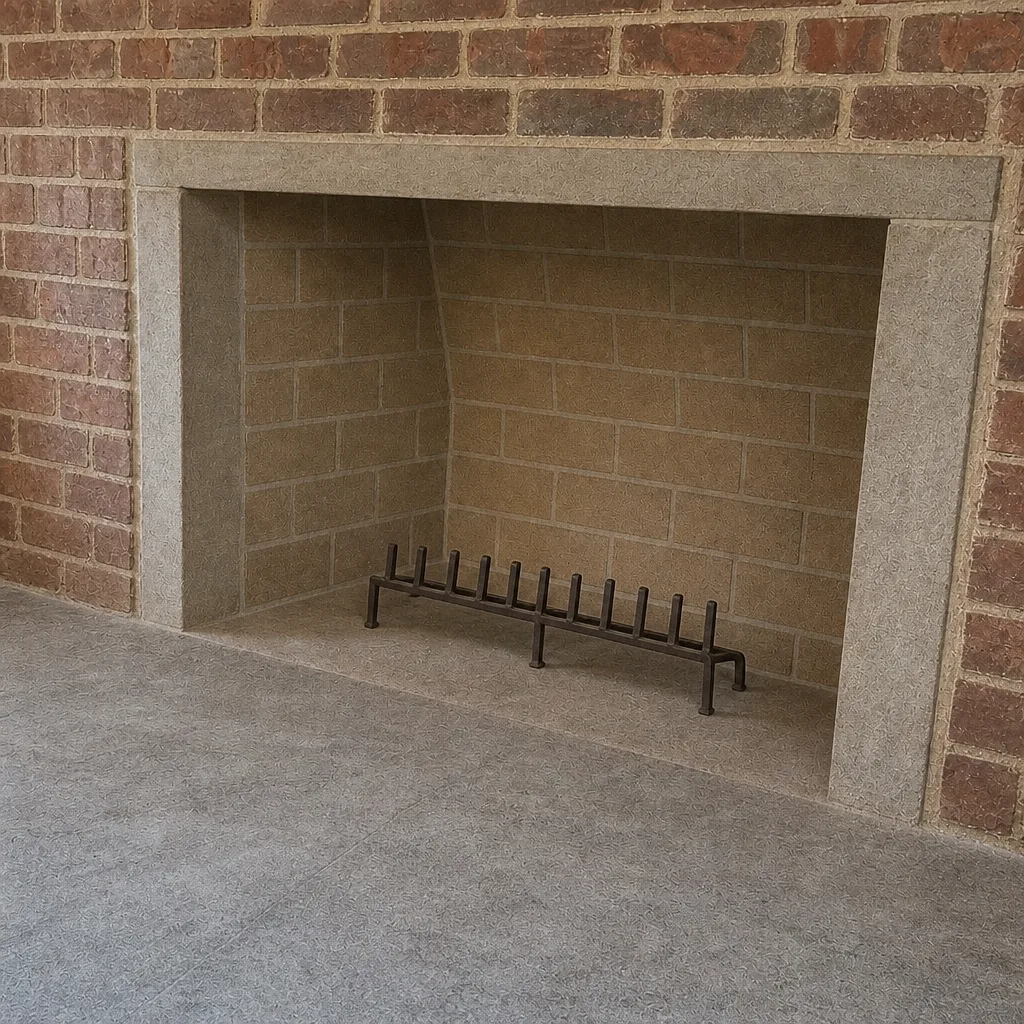
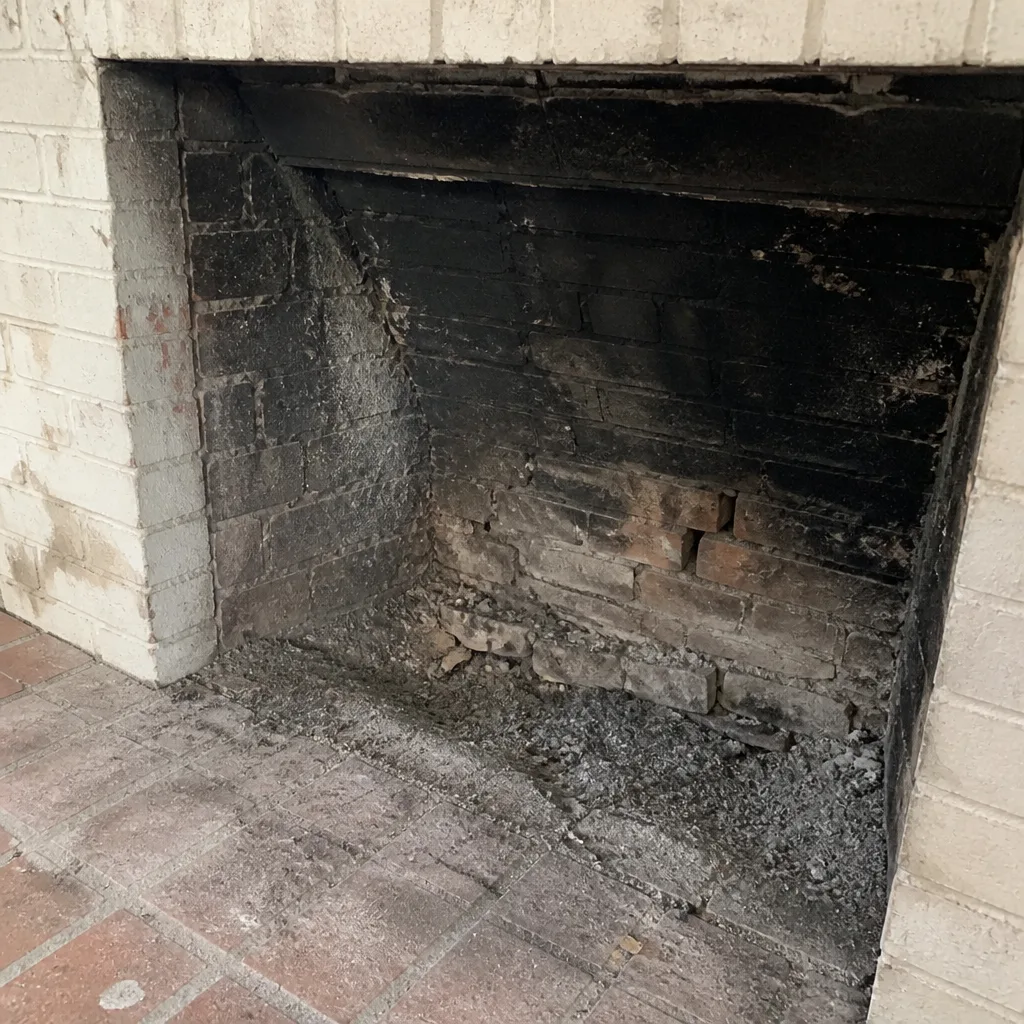
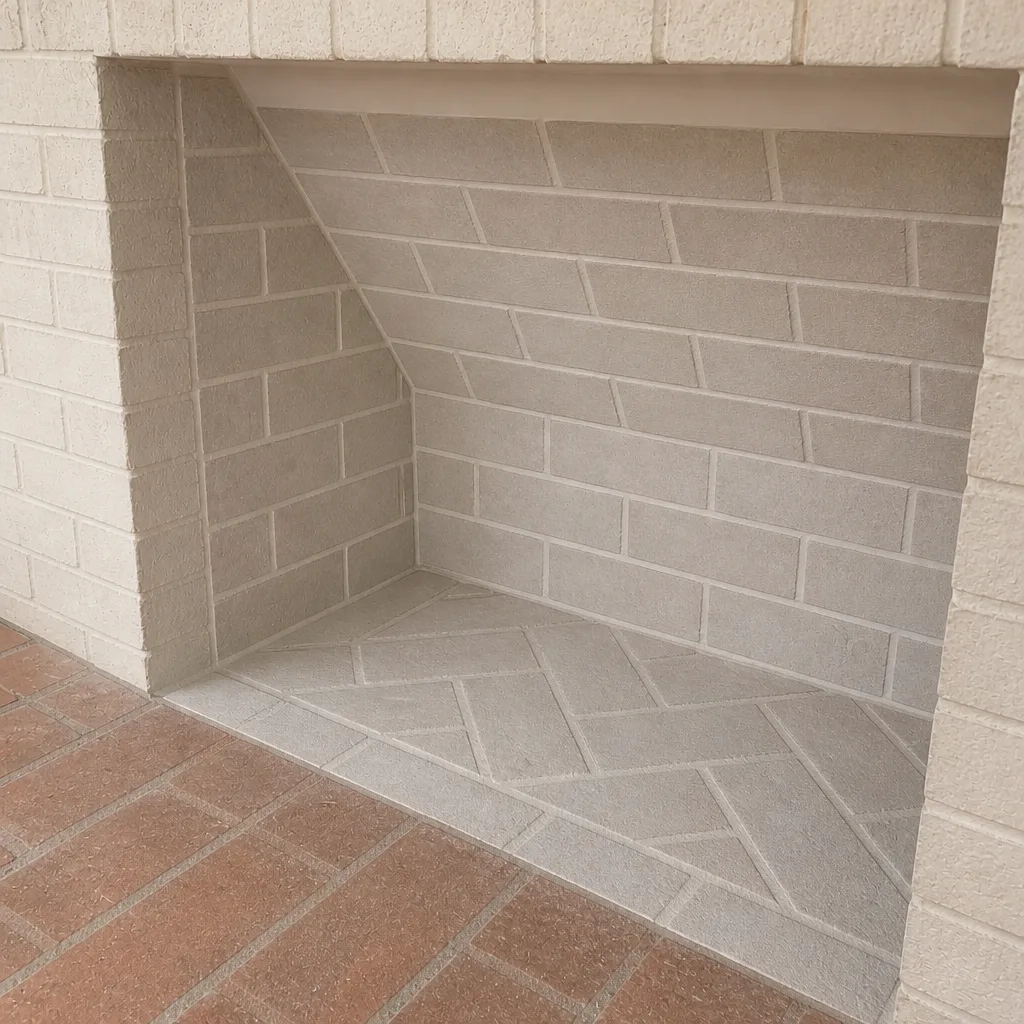
See the difference
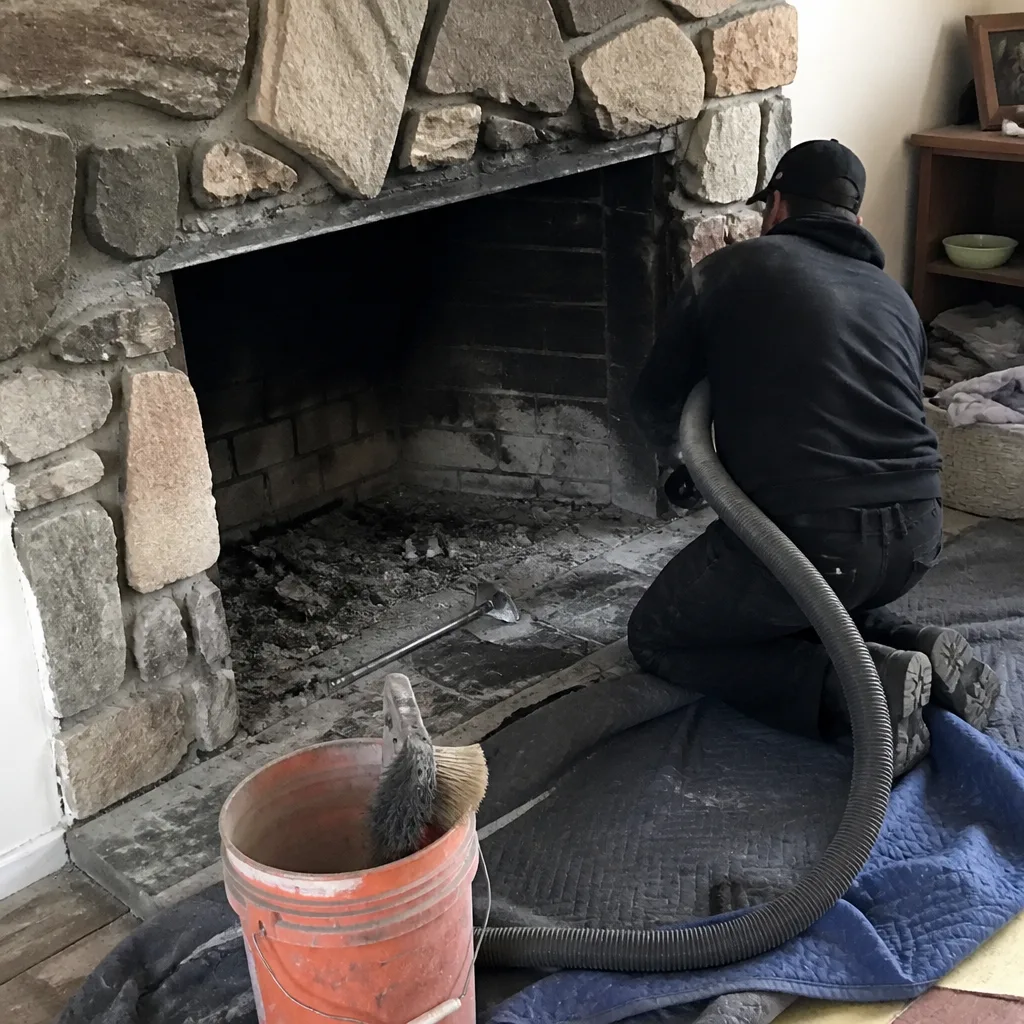 Before
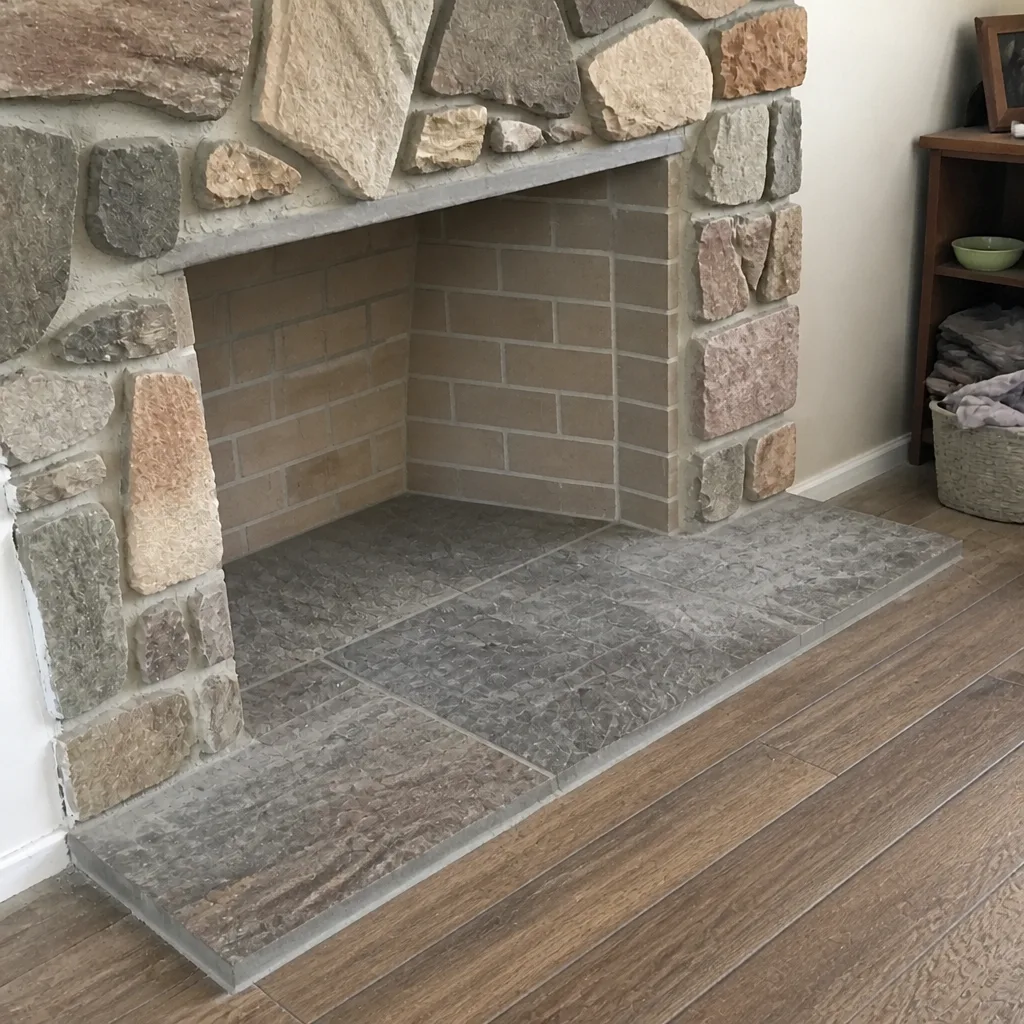 After
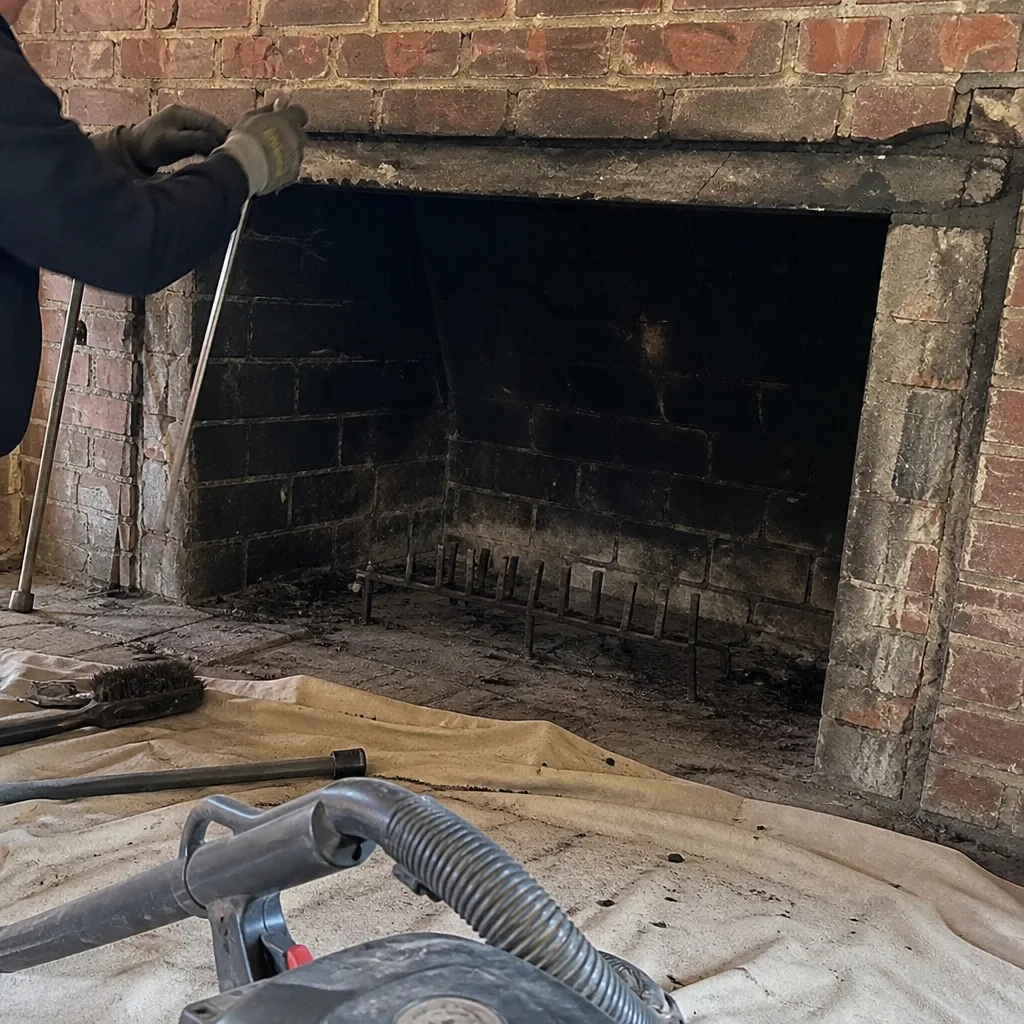 Before
 After
 Before
 After
When to Call a Professional
Call a chimney professional if any of the following is true: it’s been more than a year since your last inspection, you’ve moved into a home in Ventura and don’t know the chimney’s history, you’ve had a chimney fire (Level 2 inspection is required), you notice creosote flakes or soot in the firebox, the chimney cap is damaged or missing, you see cracked or missing masonry on the exterior, or you’re planning to use the fireplace for the first time this season. Your chimney is a system with moving parts, including a damper and a flue liner that can fail silently. A professional inspection tells you the true condition of the system before you trust it.
Ventura Chimney Cleaning offers free estimates in Ventura. Call (855) 939-0327. We answer 24/7. Fast dispatch from 7am to 7pm, Sunday through Friday.
Frequently Asked Questions
Get everyone out of the house and call 911 before doing anything else. On the way out, close the damper and glass doors if you can do it safely, since cutting the air supply helps starve the fire. Call (855) 939-0327 for the inspection that follows; estimates are free.
A chimney fire typically sounds like a low rumble or roar, produces a sharp acrid smell, and sends dense smoke or sparks from the chimney top. Normal fires sound like crackling wood and don’t send smoke or heat out the top of the chimney. When in doubt, evacuate and call 911. Call (855) 939-0327 afterward for a Level 2 inspection.
Not until a certified technician completes a Level 2 inspection and any damage is repaired. Re-lighting a fireplace with a damaged flue liner risks a second, larger fire that can reach the framing. Call (855) 939-0327 to book the inspection.
Yes, if you plan to file a claim for damage. The incident report from the fire department and the post-fire inspection findings are the two documents your adjuster needs. It’s worth checking whether your policy requires notice regardless of whether you file. Call (855) 939-0327 for inspection documentation you can share with your insurer.
Once a year, regardless of how often you burn. Ventura homes face both creosote buildup from the burn season and ember intrusion risk during the wildfire months, so an annual inspection keeps both risks visible. Call (855) 939-0327 to schedule yours; estimates are free.
A sweep removes creosote and debris; an inspection evaluates the condition of the system and reveals damage a sweep can’t fix. We offer both as separate services, so you can get an inspection before any cleaning is quoted. Call (855) 939-0327 to discuss which you need.
The Bottom Line
A chimney fire doesn’t give you time to plan. It gives you time to act on a plan you already made. Evacuate first, call 911 second, close the damper only if it costs you no delay, and never pour water into a masonry firebox. After the fire department clears the scene, a Level 2 inspection is not optional. The preparation that changes the outcome happens before any of it: an annual inspection, a cleared clearance zone, a working spark arrestor, and an emergency kit that includes your inspection report. If your Ventura home hasn’t been inspected this year, that’s the call to make now. Our technicians have up to 11 years of experience and work with the professional product lines trusted across the trade, from DuraFlex and HeatShield to Olympia Chimney components. Inspect first, recommend second. Every repair gets the right material for the job, done once. For a free estimate, call (855) 939-0327. We answer 24/7. Fast dispatch from 7am to 7pm, Sunday through Friday. Sweep. Repair. Inspect. One company, one call.
Written by the team at Ventura Chimney Cleaning.