
Last updated November 16, 2026
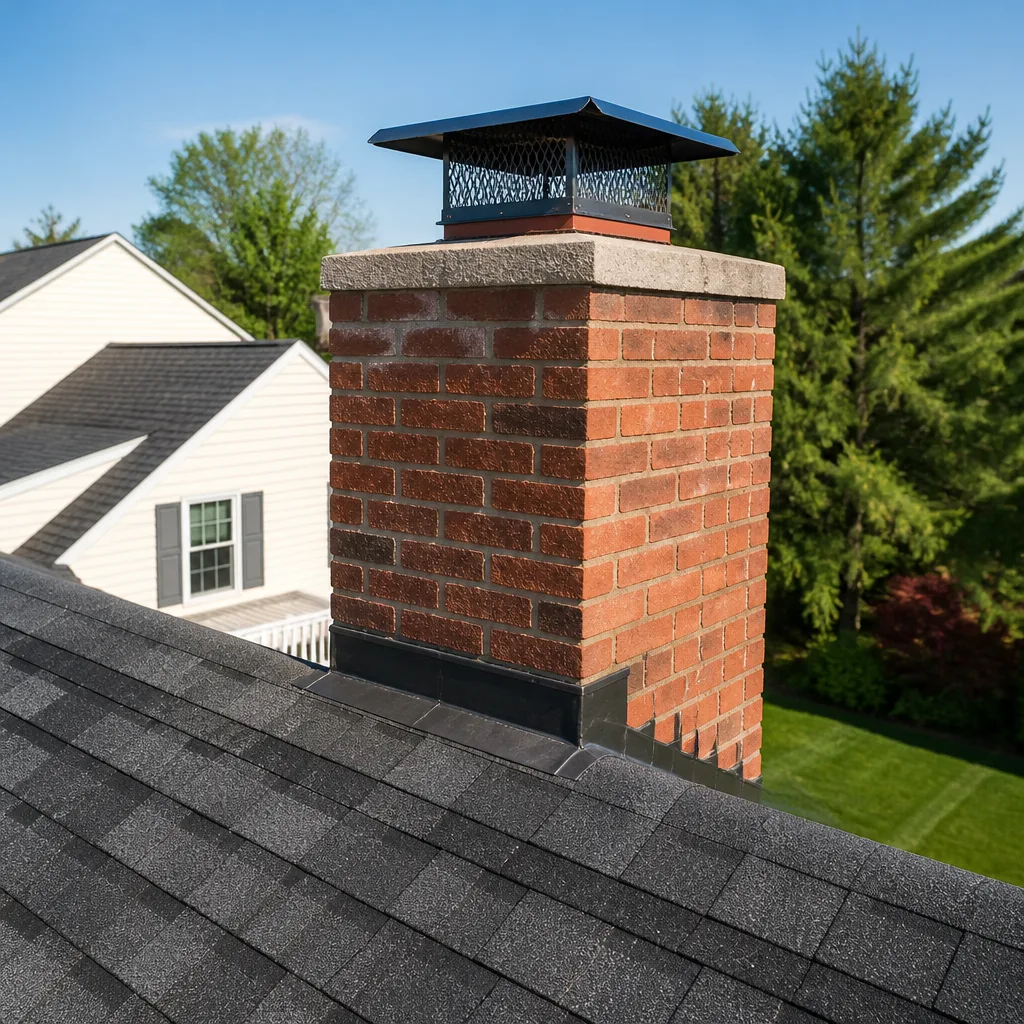 Sweep & inspection
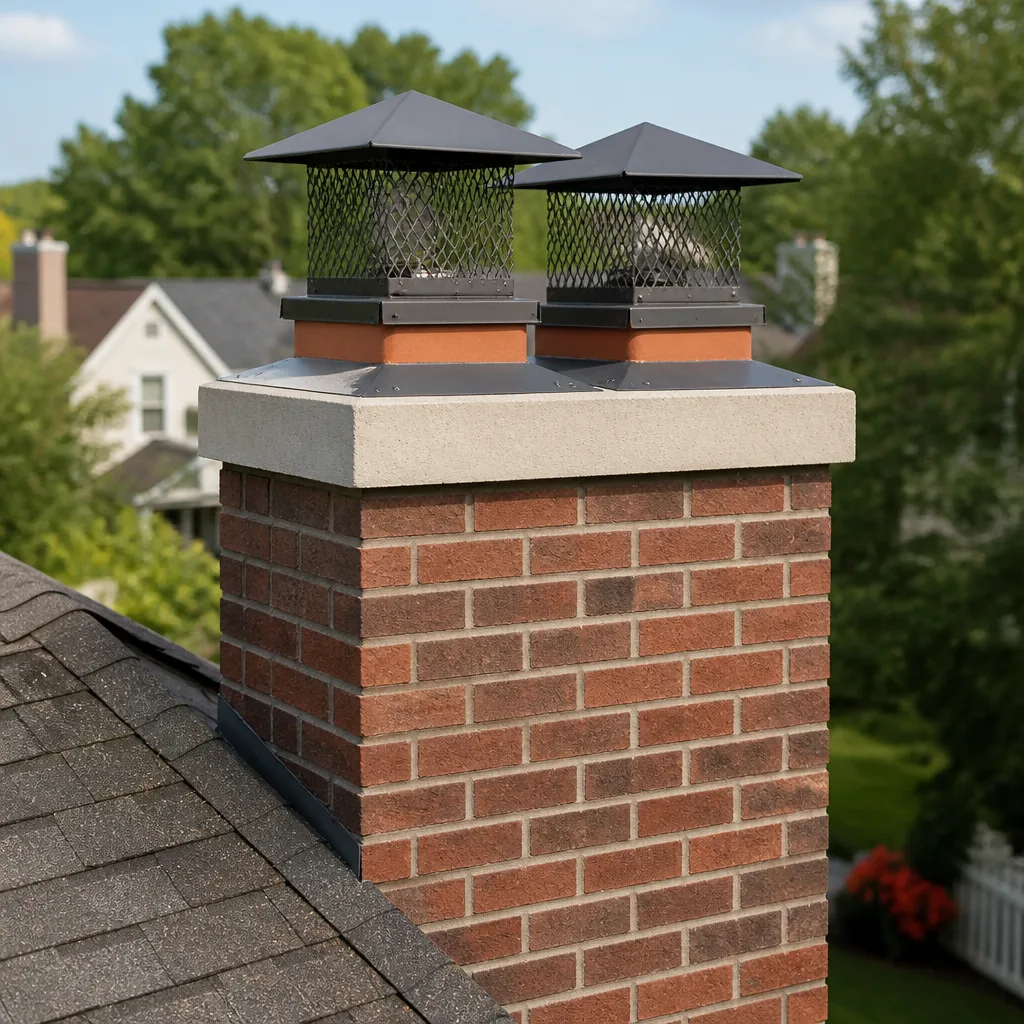 Caps & crowns
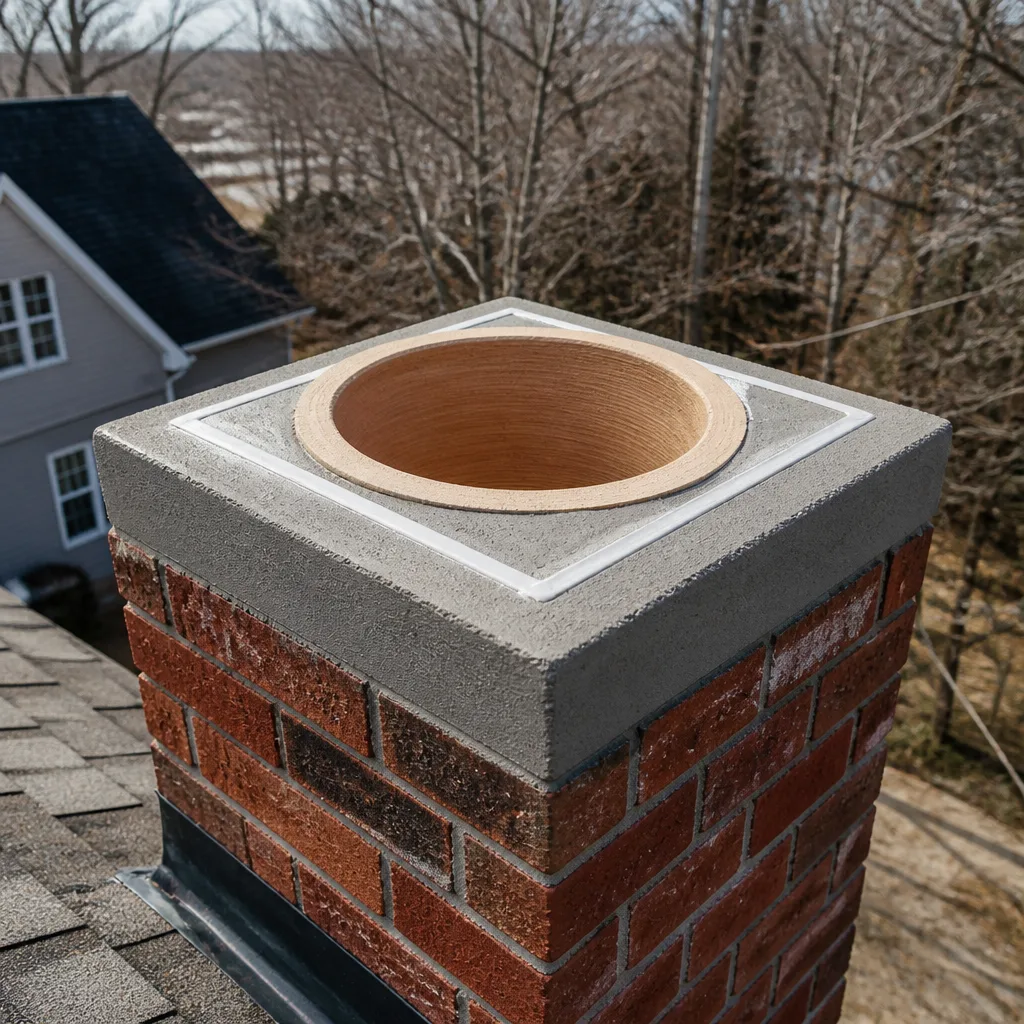 Flue relining
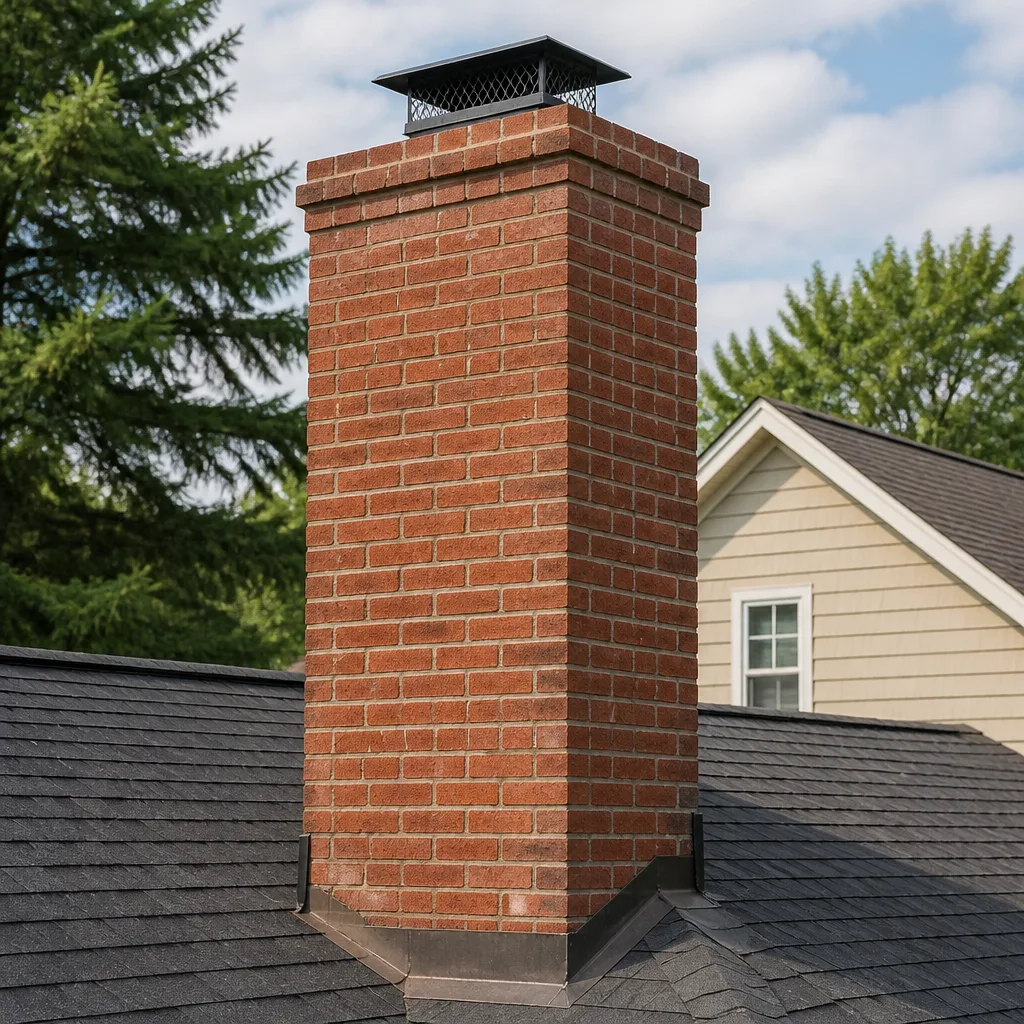 Masonry repair
 Gas fireplace service
Level 1 sweep and inspection to the NFPA 211 annual standard - flue, crown, cap, and flashing checked and photographed
Chimney sweep logs do not sweep chimneys. They loosen some creosote - which then falls where a brush and vacuum still have to collect it.
Chimney Sweep Troubleshooting in Ventura: Common Problems and How to Fix Them
If your fireplace smokes back into the room, there are exactly five structural reasons that happens, and three of them have nothing to do with how dirty your flue is. That surprises most homeowners. The instinct is to assume the chimney just needs a sweep, so they book one, the smoking continues, and they’re back where they started with a lighter wallet. The truth is that most chimney complaints fall into recognizable patterns. A backdraft in a tightly sealed house points somewhere different than a backdraft on a windy evening. A smell that shows up in the damp months is a different problem than smoke that only appears on cold starts. This guide maps the symptoms Ventura homeowners report most often to the actual root causes behind them, so you can tell which problems are safe to monitor, which need a scheduled inspection, and which mean you should stop using the fireplace today and call a professional.
Quick Answer
Most chimney problems in Ventura come down to one of four causes: a blocked or dirty flue, negative air pressure inside a tight home, a failed damper or a flue that’s sized wrong for the appliance, or water getting into the masonry. The symptom you’re seeing tells you which one you’re dealing with. Smoke coming into the room on cold starts points to a draft problem, odor during the damp months points to moisture, and crumbling mortar around the crown or flashing points to waterproofing failure. A professional inspection confirms which one is actually happening before any repair money gets spent.
Styles & brands we work with
- Sweep & inspection
- Caps & crowns
- Flue relining
- Masonry repair
- Gas fireplace service
Table of Contents
- Why Is Smoke Coming Into the Room?
- Negative Air Pressure vs. Blockage: Two Very Different Fixes
- Why Does My Fireplace Smell Worse in the Damp Months?
- Damper Failure vs. Flue Sizing Mismatch
- Spalling Mortar and Efflorescence After the Rainy Season
- Creosote Buildup: The Difference Between Soot and Glaze
- The Decision Tree: Monitor, Inspect, or Stop Using It
- When a Sweep Is Enough and When You Need chimney repair
Why Is Smoke Coming Into the Room?
Smoke spilling into the room is the single most common complaint we hear from Ventura homeowners, and it has at least five distinct causes. Getting the diagnosis right is what keeps you from paying for the wrong repair.
The five structural reasons a fireplace smokes back into the room are:
- A blocked or partially blocked flue. Creosote buildup, a bird or squirrel nest, a collapsed flue tile, or a cap that’s clogged with debris can all choke off the draft.
- Negative air pressure inside the house. Modern homes are built and sealed tighter than older ones. When the house is under a slight vacuum, air rushes down the chimney instead of up.
- A damper that’s stuck, warped, or not fully open. A damper that appears open but isn’t seated correctly still blocks the draft path.
- A flue that’s too large or too small for the firebox opening. A flue sized wrong for the appliance never develops the draft it needs, no matter how clean it is.
- A chimney that’s too short or badly positioned relative to the roofline. The chimney needs enough height and the right relationship to nearby roof features to draft reliably.
Notice that only one of those five is a cleaning problem. The other four are structural, and no amount of sweeping will fix them. If you’ve had a chimney sweep recently and the fireplace still smokes, you’re probably dealing with one of the other four. A professional inspection is the honest starting point here. It’s the only way to know which cause you’re actually facing before anyone recommends a fix.
One Ventura-specific note: homes in the hillside neighborhoods above downtown and along the eastern edges of the city can catch wind patterns that change noticeably as the day warms and cools. A fireplace that drafts fine in the morning and smokes in the late afternoon is telling you something about pressure and wind, not about how clean the flue is.
Negative Air Pressure vs. Blockage: Two Very Different Fixes
This distinction matters more than almost any other in chimney troubleshooting. A blocked flue and a house under negative pressure can both produce smoke rolling into the room, but the fixes are completely different and neither one solves the other’s problem.
Blockage means something is physically in the way. Creosote, a nest, a fallen tile, or an improperly installed cap. The symptom pattern is usually steady and predictable: smoke backs up every time you light a fire, and it doesn’t change much based on what else is running in the house. The fix is a sweep, removal of the obstruction, or repair of the failed component.
Negative air pressure means the house is drawing air in from wherever it can, and the chimney is one of the paths. The symptom pattern is more situational. You notice smoke backing up when the kitchen exhaust fan is running, when the bathroom vent is on, when the dryer is going, or when the furnace kicks in. That’s the signature. Tight modern construction, added weatherstripping, new windows, and sealed attic spaces all reduce the air leaks a house uses to breathe, which makes the chimney behave like an intake rather than an exhaust.
What actually resolves negative pressure:
- Opening a nearby window slightly while the fire is getting started, to give the house makeup air
- Running exhaust fans less aggressively while the fireplace is in use
- Installing a dedicated outside air supply for the fireplace, where the appliance allows it
- Adding a chimney fan or draft inducer when pressure problems are chronic and none of the simpler steps fix them
If you’ve had the flue cleaned and the smoking continues only when other fans and vents are running, that pattern is your answer. It’s a pressure problem, and it needs a different conversation than a sweep. In our experience, this is the single most misdiagnosed chimney problem in Ventura homes that have been updated with new windows or tightened up in other ways.
Why Does My Fireplace Smell Worse in the Damp Months?
A smoky, sour, or campfire-like smell that shows up when the weather turns damp is a moisture problem, not a leftover smoke problem. That’s the direct answer. You can sweep a flue perfectly clean and still get the smell, because the smell isn’t coming from soot.
Here’s what’s happening. Creosote and soot deposits in the flue and smoke chamber absorb moisture from the air. When humidity rises, those deposits release volatile compounds that smell like a stale fire. In Ventura, the marine layer pushes humid air inland through the spring and into the early summer, which is exactly the condition that sets this off. Homeowners who lived inland before moving here often tell us they never dealt with this until they arrived. It’s a real difference in how the climate treats a chimney.
The smell gets worse for a reason: a chimney that isn’t drafting (because there’s no fire burning) is essentially a column of still, humid air, and it has nowhere to go but down into the house. Closing the damper helps, but only if the damper seals properly. A damper that’s warped or rusted lets air through and the smell comes back.
What actually resolves it:
- A thorough sweep to remove the creosote and soot that hold the moisture
- A damper that seals tightly when closed
- A chimney cap that keeps rain out while still venting properly
- Checking the crown and flashing for water intrusion that keeps the masonry damp
- Where the smell persists after cleaning and sealing, a professional inspection to look for moisture entering the flue itself
Spraying air freshener or lighting a candle won’t fix this, and neither will a scented fire log. The smell is the symptom; the moisture and the deposits are the problem. If the smell returns every damp season in your Ventura home, it’s worth getting the system inspected to rule out a water source that’s keeping the flue wet.
Damper Failure vs. Flue Sizing Mismatch
A failed damper and a flue that’s sized wrong for the firebox produce nearly identical symptoms, which makes them easy to confuse. Both cause smoky starts, poor draft, and a fireplace that just doesn’t want to burn well. The difference shows up in how they behave over time and how they’re repaired.
Signs a damper is the culprit
- The fireplace drafts well once the fire is established but smokes heavily on cold starts
- The damper handle feels loose, stiff, or doesn’t move through its full range
- You can see the damper plate is warped, rusted, or doesn’t sit flush when closed
- The smell problem is worse in damp months because the damper doesn’t seal when shut
A damper is a mechanical part, and it wears out. Rust, heat warping, and broken hinges are common. The fix is replacing the damper, and a top-sealing damper is often the better long-term choice because it seals at the top of the flue where it’s protected from the firebox heat.
Signs the flue is sized wrong
- The fireplace has never drafted well, even when it was new to you
- Smoking happens regardless of damper position and regardless of how clean the flue is
- The firebox opening is much larger than the flue can support, or the flue is oversized for a small appliance
- An insert or stove was added without resizing the flue to match
Sizing is a ratio problem. A firebox opening that’s too large for its flue can’t pull enough air up the chimney, and no damper adjustment fixes that. Common causes include a wood stove or insert that was added to an existing fireplace without matching the flue to the new appliance, or a firebox that was enlarged at some point without resizing the flue. The fix usually involves a properly sized liner, often a DuraFlex stainless liner sized specifically for the appliance. That’s a repair, not a sweep, and it’s the kind of work that needs a professional assessment before anyone commits to it.
Spalling Mortar and Efflorescence After the Rainy Season
If you’re seeing white powdery stains on the brick or chunks of mortar flaking off the chimney after the winter rains, your chimney is telling you it’s taking on water. That’s the short answer. Efflorescence is the white staining, and spalling is the flaking and crumbling of the masonry itself. Both point to moisture moving through the brick and mortar.
What’s actually happening when you see these:
- Efflorescence is salt pushed to the surface as water evaporates out of the masonry. It’s a sign water got in, even if the surface looks dry now.
- Spalling happens when water freezes or simply expands inside the brick and pushes the face off. You’ll see flakes of brick or mortar collecting on the roof or at the base of the chimney.
- A failing crown (the concrete cap on top of the chimney) lets water run down into the masonry instead of shedding it away.
- Failed flashing where the chimney meets the roof lets water in at the joint, and it shows up as staining or rot on the ceiling inside.
Ventura’s rainy season is a real test for masonry. A chimney that looked fine in October can show spalling by February if the crown, flashing, or brick face isn’t properly waterproofed. The fix isn’t a coat of paint or a sealer from the hardware store. It’s addressing the actual water entry point: rebuilding a cracked crown, redoing the flashing, replacing spalled brick, and then applying a breathable waterproofing product designed for masonry. Sealing a chimney with the wrong product traps moisture inside and makes the problem worse.
If you’ve just bought a home in Ventura and the inspection report mentioned efflorescence or “typical masonry wear,” this is the guide to read closely. Efflorescence means water is actively moving through the chimney. It’s worth a proper inspection before the next rainy season.
Creosote Buildup: The Difference Between Soot and Glaze
Not all creosote is the same, and the difference matters for how the flue gets cleaned and how urgent the job is. Soot is the light, fluffy black powder that brushes off easily. Glaze is the hard, shiny, tar-like coating that’s much more serious.
- Stage one is light soot and flaky creosote. It brushes off with standard sweep tools.
- Stage two is a denser, crunchier deposit that takes more work but still comes off with professional rotary brushes.
- Stage three is glazed creosote, a hard shiny coating that’s bonded to the flue. It’s the most flammable form, and it can’t be removed with a standard sweep alone. It often needs chemical treatment followed by mechanical cleaning, and in severe cases the liner needs to be replaced.
Glazed creosote forms when the fire burns cool and smolders rather than burning hot and clean. Wet or unseasoned wood is the usual culprit, along with a fireplace that’s used with the damper only partly open. If you’re burning wood that hasn’t had time to dry properly, or if your fires smoke heavily and leave a lot of residue, you’re building glaze faster than you’d build soot. The fix is twofold: clean the flue properly, and change the burning habits that created the glaze in the first place.
A professional sweep will tell you which stage you’re at. A standard sweep is enough for stages one and two. Stage three glaze requires a different approach, and that’s one of the reasons a real inspection matters more than a quick brush-and-go. It’s also the answer to the question we get most often: why can’t I just sweep it myself? Because you can’t see the inside of the flue, and glaze is invisible from the firebox.
The Decision Tree: Monitor, Inspect, or Stop Using It
Not every chimney symptom is an emergency, and not every symptom can wait. Here’s a simple way to sort what you’re seeing into one of three categories.
Safe to monitor
- Light whitish staining on the brick (efflorescence) with no flaking or crumbling
- A faint smoky smell in the damp months that goes away once the fireplace is used
- Slight smoke on the very first fire of the season that clears once the flue warms up
- A small amount of soot visible at the top of the firebox
Monitor these and book an inspection when convenient. None of them point to an active hazard.
Schedule an inspection
- Smoke backing into the room when exhaust fans or the furnace are running
- Smoke that happens regularly on cold starts
- A damper that’s stiff, loose, or doesn’t seal
- A smell that returns every damp season
- Visible spalling or crumbling mortar on the chimney exterior
- Staining on the ceiling or wall near the chimney inside
These need a professional look, but you don’t necessarily need to stop using the fireplace before the appointment unless the situation worsens.
Stop using the fireplace and call now
- Smoke filling the room and not clearing
- Any visible damage to the flue or firebox, like cracked tiles or displaced brick
- A strong chemical or tar smell when the fireplace isn’t in use
- Any suspicion that the chimney has been damaged by a previous chimney fire or a structural event
- Headache, dizziness, or unusual drowsiness in the home while the fireplace is in use, which can point to carbon monoxide
These aren’t “wait and see” symptoms. Stop using the fireplace and get a professional out to inspect it. A chimney isn’t something to troubleshoot by guesswork when the stakes are this high.
When a Sweep Is Enough and When You Need Chimney Repair
The honest answer is that most chimney problems are cleaning problems, and a sweep fixes them. The minority that aren’t cleaning problems need repair, and a sweep won’t solve them no matter how many times it’s done. Knowing which is which is the whole point of this guide.
A sweep is enough when the cause is creosote buildup, soot, a bird nest, or a debris clog. Those are cleaning jobs, and a proper sweep with a camera inspection afterward confirms the flue is clear and the liner is intact. That’s the workhorse of chimney care, and it’s what most Ventura homeowners actually need.
Repair is needed when the cause is structural: a failed damper, a flue sized wrong for the firebox, cracked flue tiles, a damaged crown, spalled brick, or water intrusion. Those are the cases where a sweep won’t help. A sweep-only outfit will tell you the chimney is clean and send you on your way with the same smoking problem you started with. That’s why we handle sweep, repair, and inspection under one company. One team diagnoses it, fixes it, and confirms it’s right. No passing you between contractors.
For firebox and flue restoration, we use HeatShield, which is a professional-grade resurfacing product for exactly this kind of work. For liner replacement, we use DuraFlex. For masonry repairs and components, we stock professional lines like Olympia Chimney, Famco, and Copperfield. These are materials chimney specialists trust, not hardware-store substitutes. The right liner and the right repair, done once, is the goal every time. If you’ve been told you need a repair but aren’t sure you can trust the diagnosis, get an independent inspection first. Nothing should be recommended without camera evidence you can see for yourself.
Common Mistakes to Avoid
- Assuming every smoking problem is a dirty flue. Only one of the five structural causes of smoke backup is a cleaning issue. If a sweep didn’t fix it, don’t book another sweep; book an inspection.
- Burning unseasoned or wet wood to save money. Wet wood smolders, produces more creosote, and builds glaze in the flue. You’re trading a small saving on firewood for a much bigger repair bill later.
- Sealing a chimney with a hardware-store waterproofing product. The wrong sealer traps moisture inside the masonry and accelerates spalling. Masonry needs a breathable product made for the job.
- Ignoring efflorescence because it “wipes off.” The white staining is the visible symptom of water moving through your chimney. Wiping it off hides the problem without fixing it.
- Running the fireplace with an exhaust fan on high. Kitchen and bath fans pull air out of a tight house and can reverse the draft. If this is when your fireplace smokes, it’s a pressure problem, not a cleaning one.
- Waiting for a smell to become a hazard before scheduling an inspection. A damp-season smell is a useful early warning. Letting it slide for years is how small moisture problems become masonry repairs.
- Treating an inspection as an upsell. It’s the opposite. An inspection that says “your chimney is fine” is worth as much as one that finds a problem, and getting that answer before committing to repair work is how you avoid paying for the wrong fix.
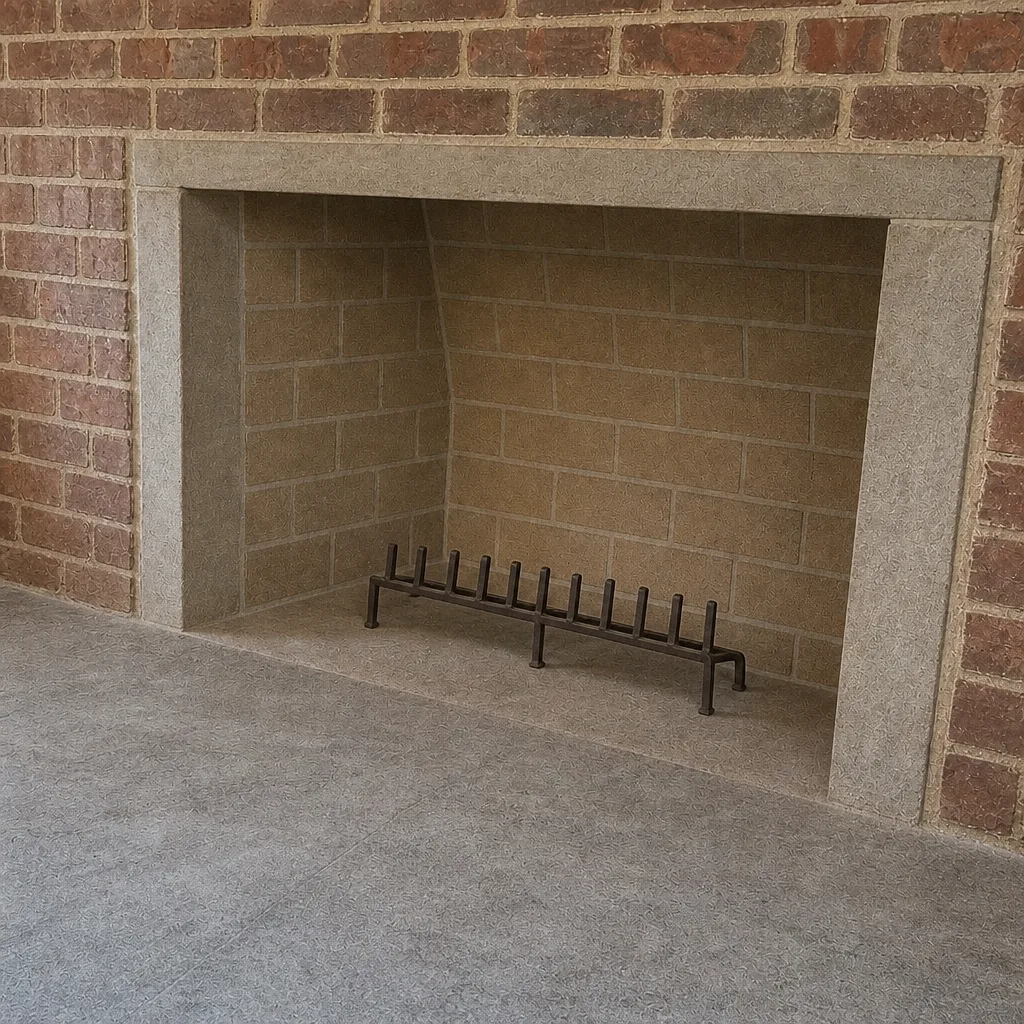
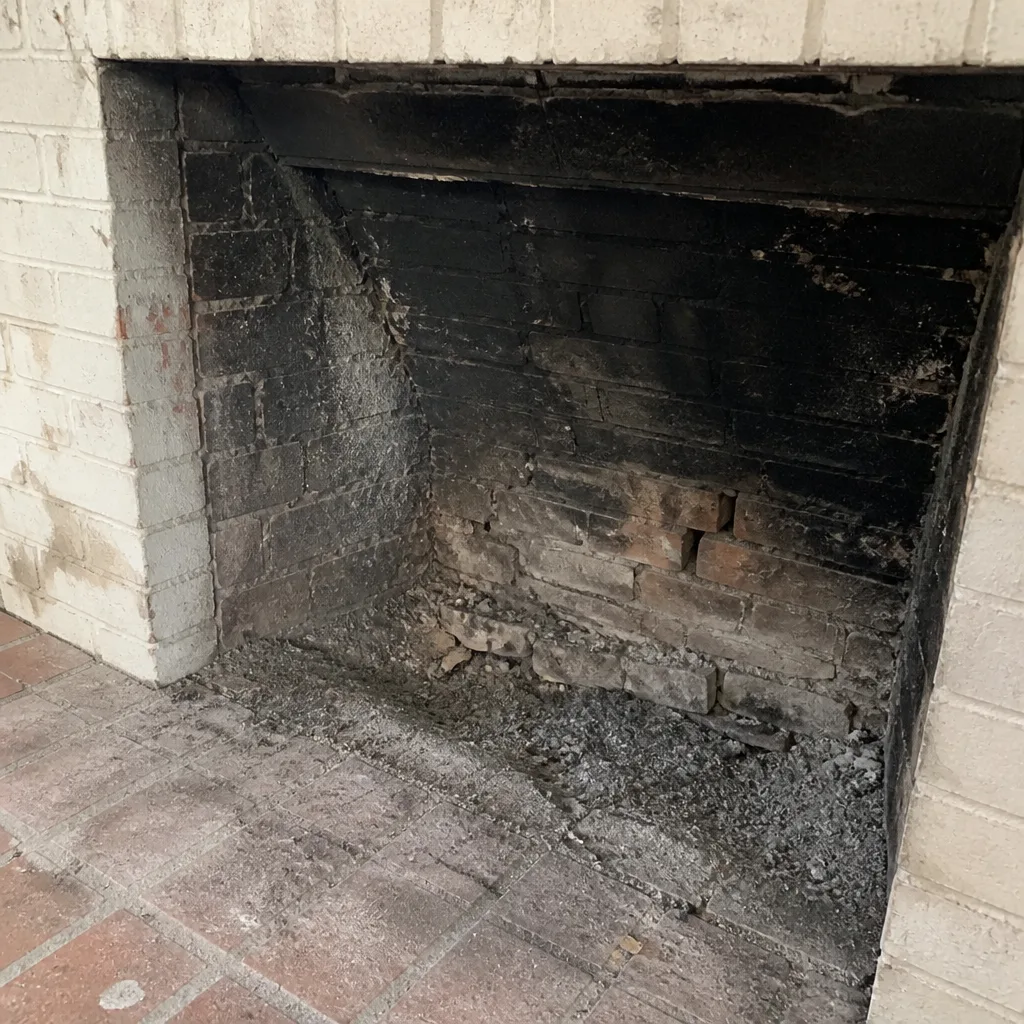
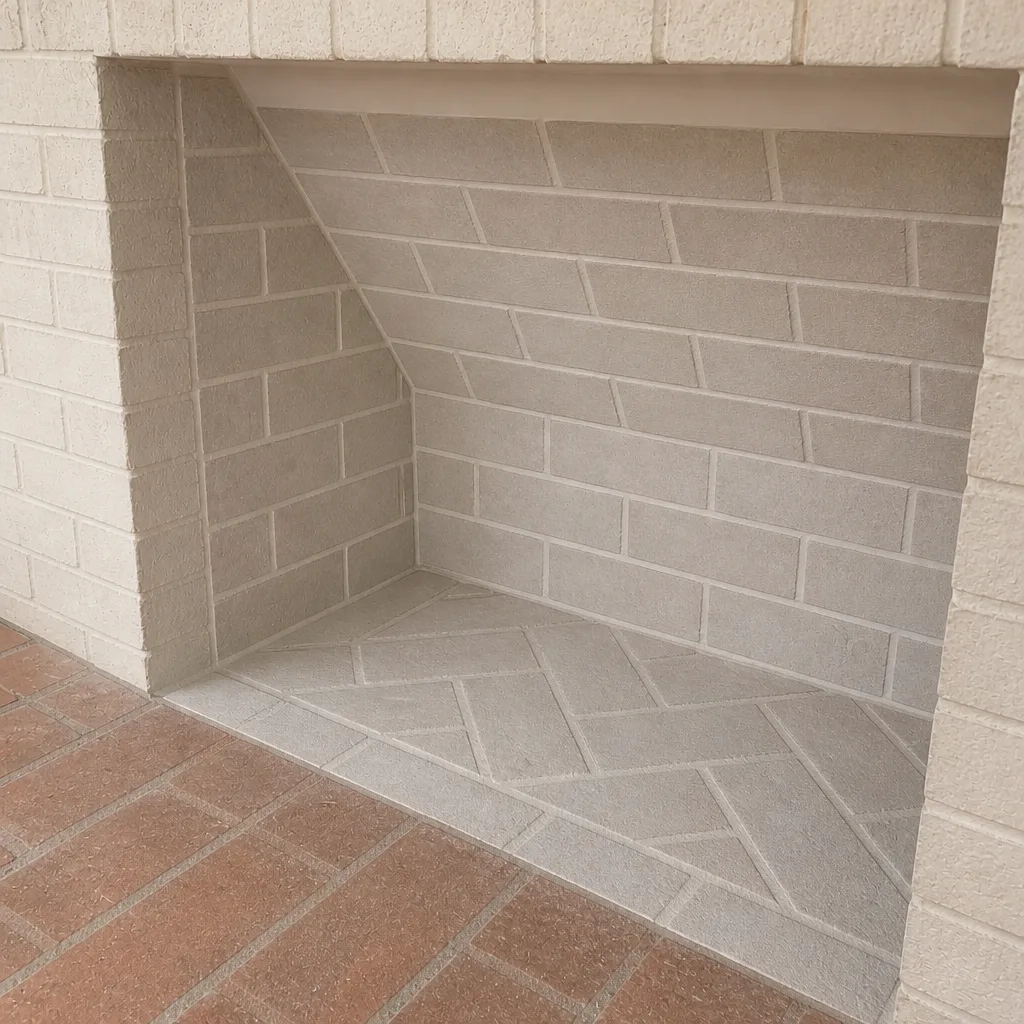
See the difference
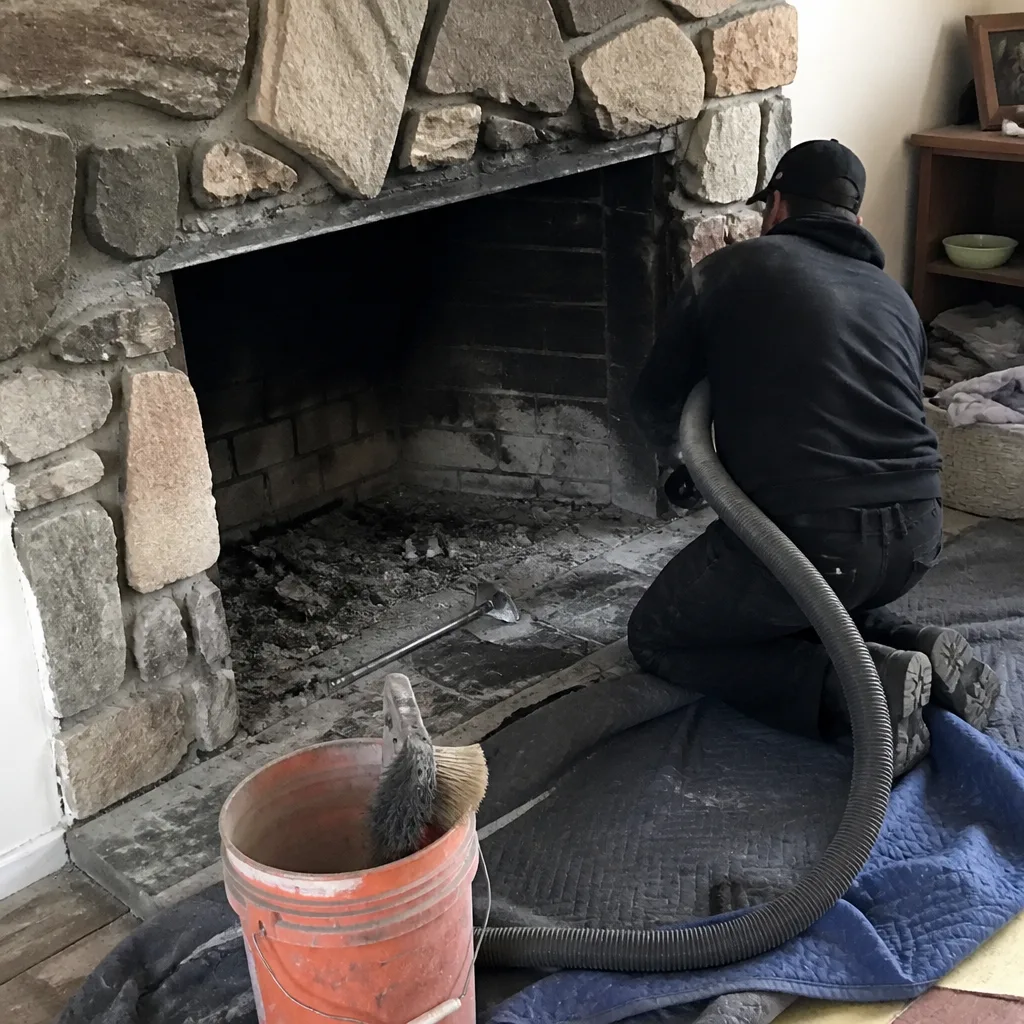 Before
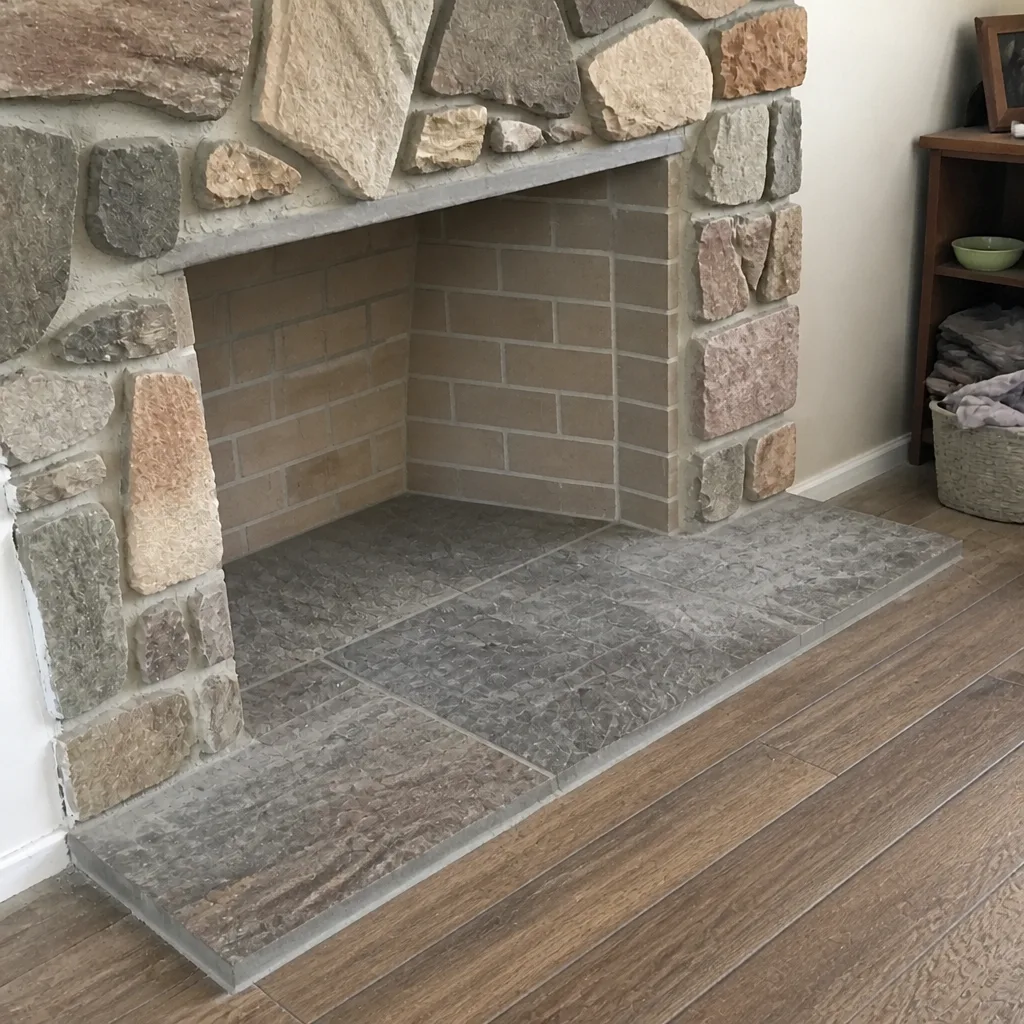 After
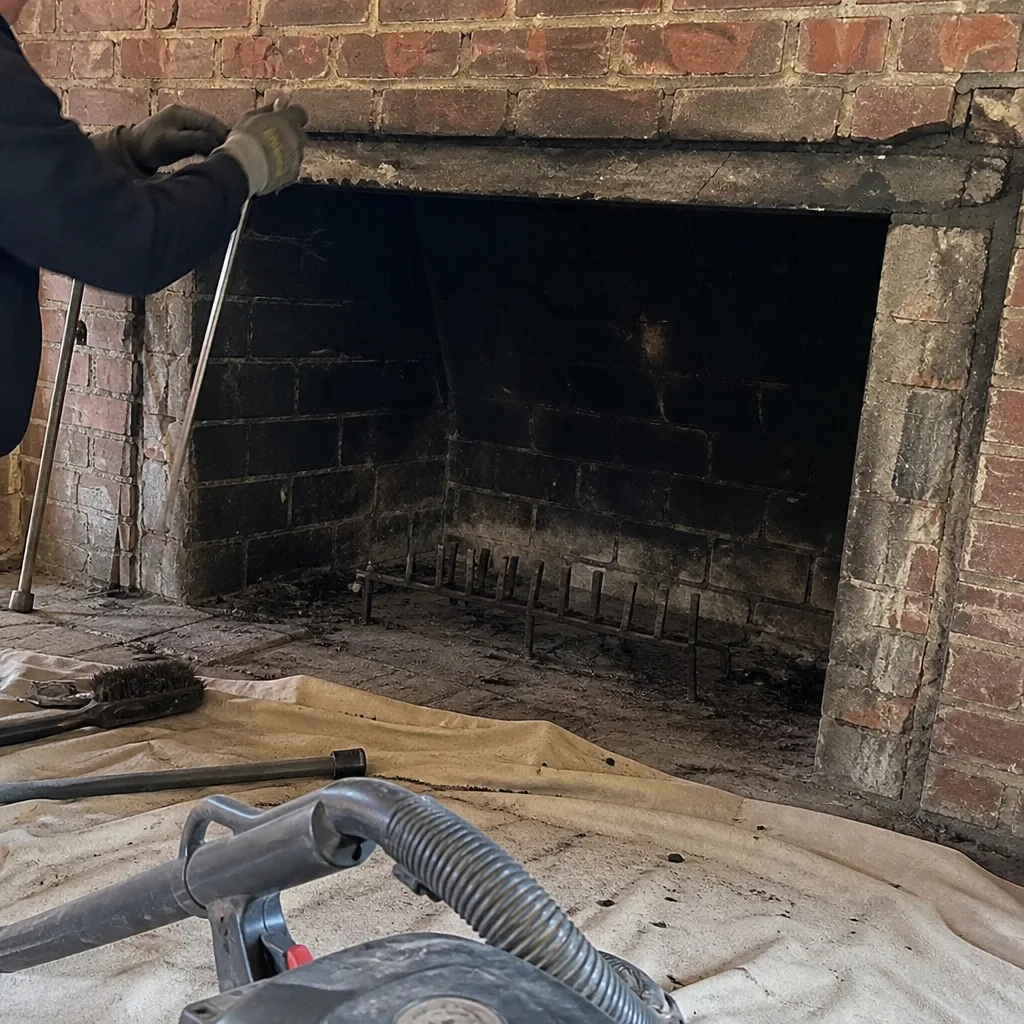 Before
 After
 Before
 After
When to Call a Professional
Call a professional when the cause of your chimney problem isn’t obvious, when the fireplace has been smoking despite a recent cleaning, when you see spalling or efflorescence on the masonry, when a damper won’t seal, or when you’ve just moved into a Ventura home and don’t know when the chimney was last inspected. Call immediately and stop using the fireplace if smoke won’t clear, if you can see damage to the flue or firebox, or if anyone in the house is experiencing headaches or dizziness while the fireplace is in use. Those are the situations where a professional inspection isn’t optional. For everything else, an inspection is the honest starting point: inspect first, recommend second. Ventura Chimney Cleaning offers free estimates in Ventura. Call (855) 939-0327. We answer 24/7. Fast dispatch from 7am to 7pm, Sunday through Friday.
Frequently Asked Questions
Most chimneys should be swept once a year if you burn regularly, and inspected at the same time. If you burn a lot of wood through the cooler months, or if you’ve noticed smoking, odor, or draft problems, you may need a sweep more often. The rule that works is this: any time you’ve burned roughly a cord of wood, or once a year, whichever comes first. Call (855) 939-0327 for an exact quote. Estimates are free.
Only if the inspection shows the existing liner is cracked, deteriorating, or sized wrong for your appliance. A failing liner is a real safety issue because it’s what separates the fire from the structure of the house. But a liner shouldn’t be recommended without camera evidence you can see. Ask to look at the footage. If the liner is intact and correctly sized, it doesn’t need to be replaced. Call (855) 939-0327 to schedule an inspection and get an honest answer.
Creosote builds up in the flue, and the thicker it gets, the more flammable it becomes. Glazed creosote is the most serious form and can’t be brushed off with a standard sweep. Beyond fire risk, a neglected flue drafts poorly, smells worse in the damp months, and can let moisture work into the masonry. None of that happens overnight, but it does happen. The cost of a sweep is a fraction of the cost of a repair. Call (855) 939-0327 for a free estimate.
Homes here vary a lot in how tight they’re built and how they’re positioned relative to wind patterns, so two houses on the same street can behave differently. If your fireplace drafted fine somewhere else and smokes here, the chimney itself or the house’s pressure dynamics are the likely reason. It isn’t a climate quirk; it’s a structural one, and an inspection will tell you which. Call (855) 939-0327 to book one.
You can buy a brush and a set of rods and run them up the flue, but you can’t see what you’re doing, and you can’t tell soot from glaze or spot a cracked liner from inside the firebox. The risk isn’t that you’ll do nothing; it’s that you’ll think it’s clean and miss a serious problem. Soot and glaze look the same from the wrong end of a brush. A professional sweep includes a camera inspection that confirms what’s actually there. Call (855) 939-0327 to schedule one.
An inspection evaluates the condition of the entire system: the flue, the liner, the damper, the firebox, the crown, the flashing, and the cap. A sweep cleans the flue. They’re often done together, but they’re not the same service. You can get an inspection on its own if you just want a condition report, and that’s a good idea before committing to any repair work. Call (855) 939-0327 for a free estimate on either service.
The Bottom Line
Most chimney problems in Ventura fall into a handful of recognizable patterns, and the symptom tells you which one you’re facing. Smoke on cold starts points to draft. Smoke when exhaust fans run points to pressure. Damp-season odor points to moisture. Efflorescence and spalling point to water intrusion. Glaze points to burning habits. The mistake homeowners make is assuming every problem is a dirty flue and booking a sweep when what’s needed is an inspection and, sometimes, repair. Sweep, repair, and inspect under one company means one diagnosis and one solution. Inspect first, recommend second. When you’re ready to get an honest assessment of your chimney, Ventura Chimney Cleaning is here to help. Call (855) 939-0327 for a free estimate. We answer 24/7. Fast dispatch from 7am to 7pm, Sunday through Friday. For more on the area we serve, see our Ventura page.
Written by the team at Ventura Chimney Cleaning.