
Last updated November 16, 2026
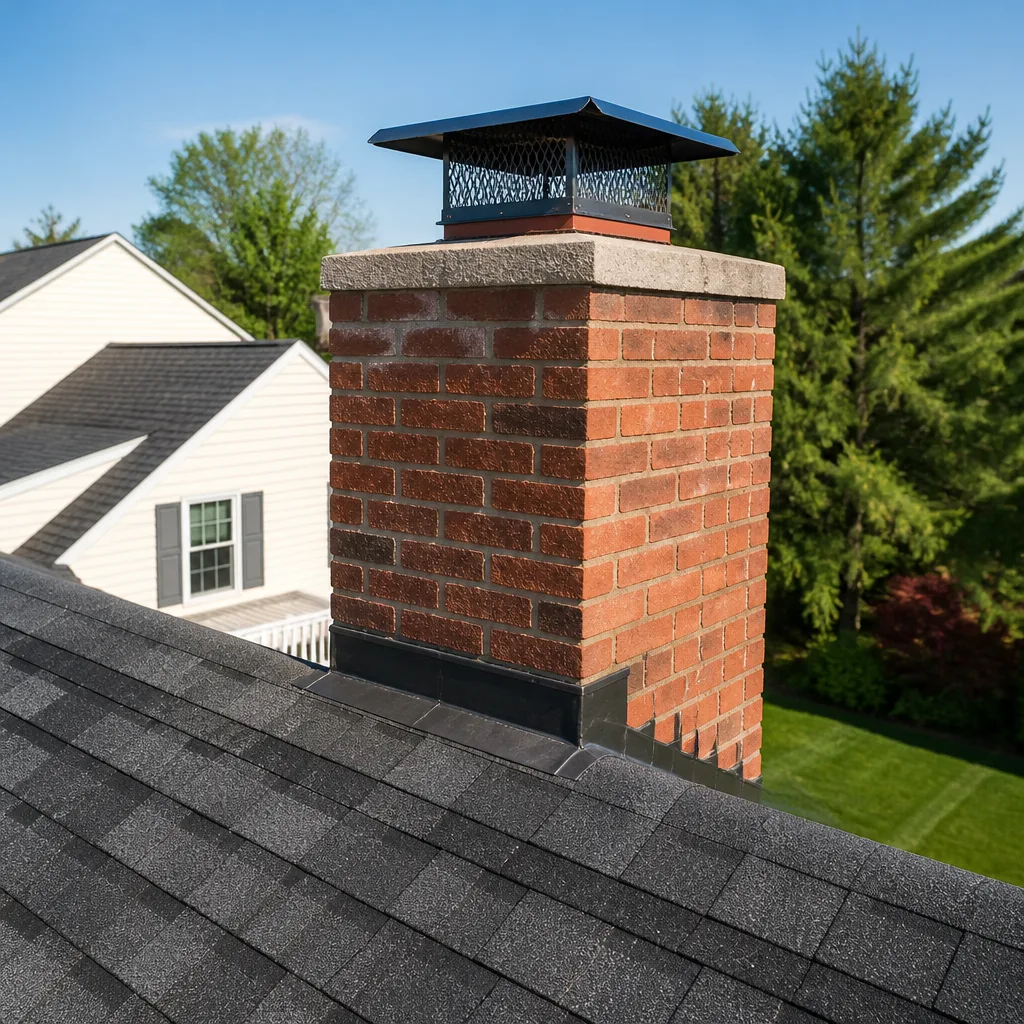 Sweep & inspection
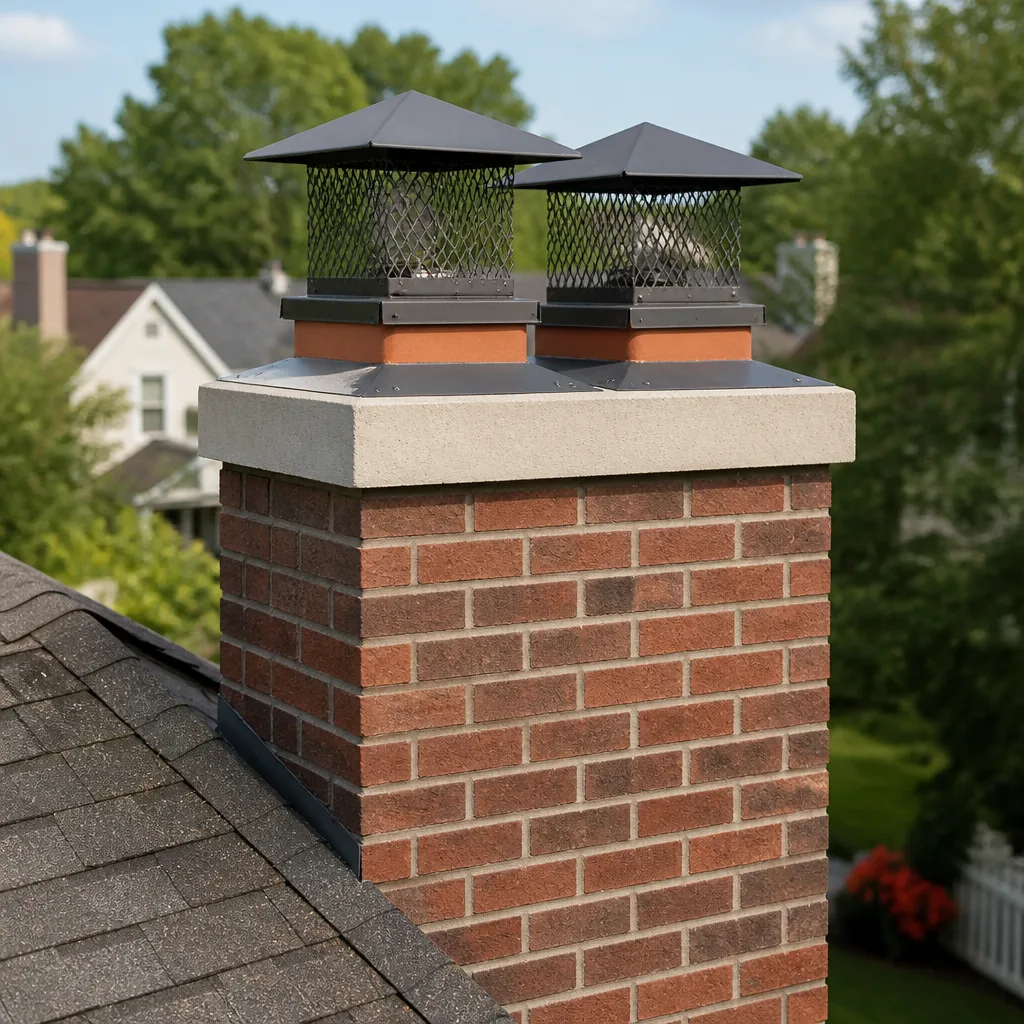 Caps & crowns
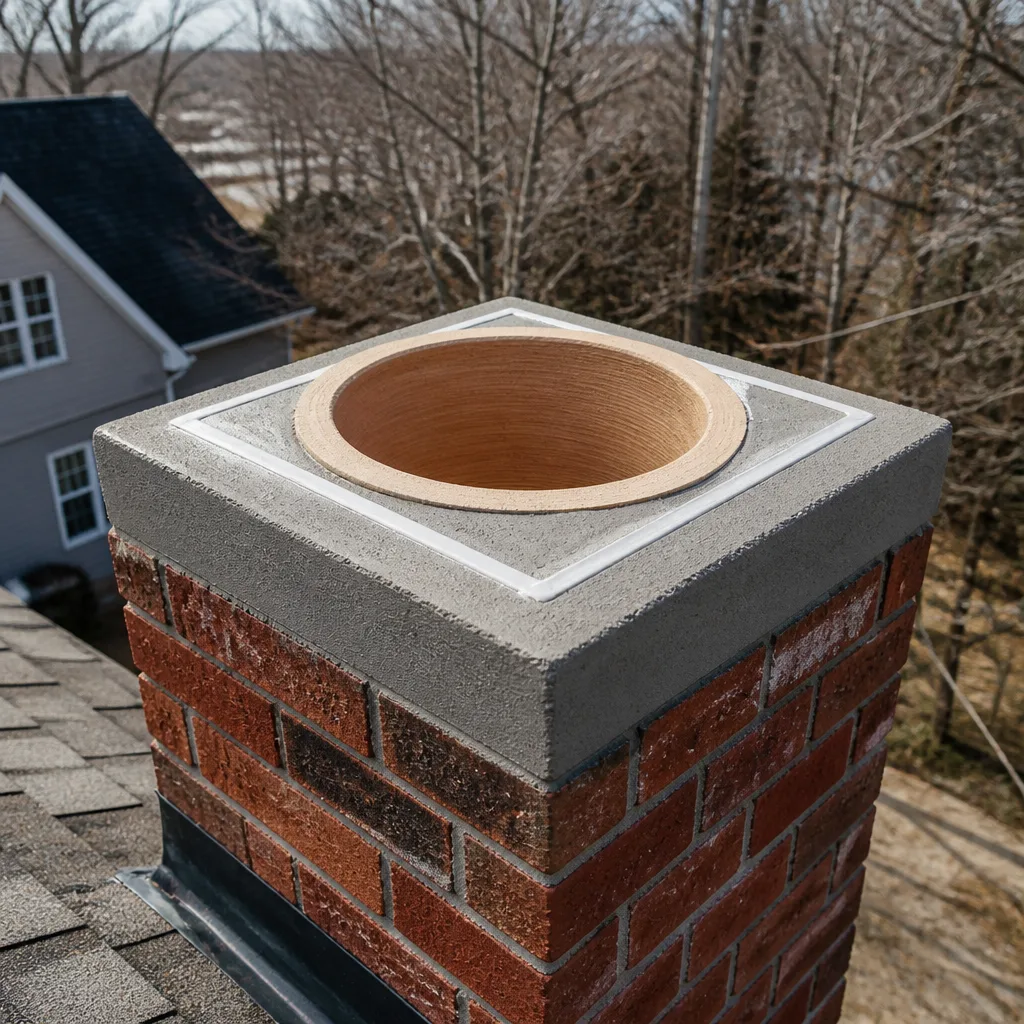 Flue relining
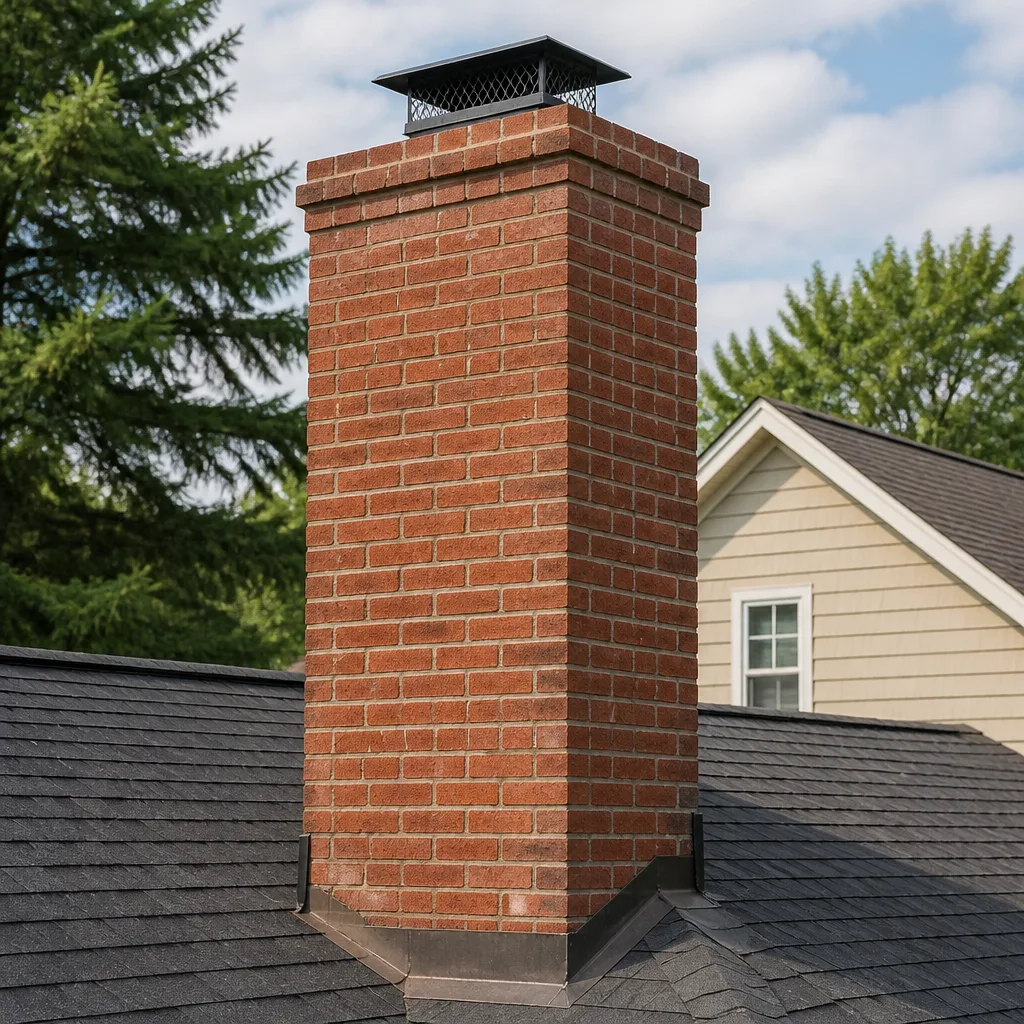 Masonry repair
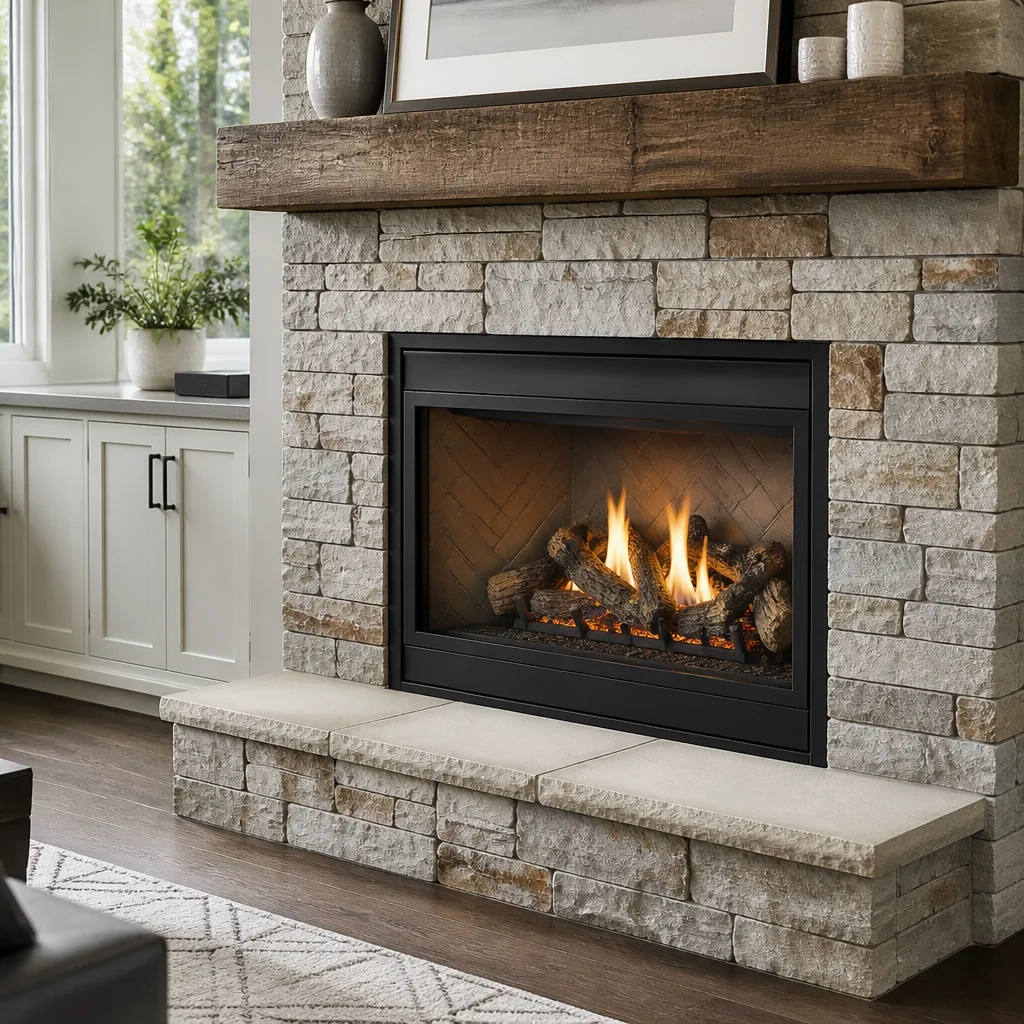 Gas fireplace service
Level 1 sweep and inspection to the NFPA 211 annual standard - flue, crown, cap, and flashing checked and photographed
Chimney sweep logs do not sweep chimneys. They loosen some creosote - which then falls where a brush and vacuum still have to collect it.
The Complete Guide to Chimney Cleaning in Ventura
Most chimney guides are written for cold-climate homes that burn wood four months a year. Ventura doesn’t work that way. Here, a fireplace gets used a dozen evenings a season, maybe two dozen, and that lighter use is exactly what makes problems harder to catch. Creosote builds in thin layers between long gaps, moisture settles in during the mild months, and nothing smells wrong until something is. This guide is about chimney cleaning in Ventura specifically: what the marine layer does to masonry, why occasional burning can be rougher on a flue than steady burning, which inspection level you actually need, and how the full inspect-clean-repair cycle saves money compared with fixing problems later. If you heat with wood or gas, or you’ve just bought a Ventura house with a chimney you’ve never looked inside, this is written for you.
Quick Answer
Chimney cleaning in Ventura means a professional sweep of the flue and firebox to remove creosote, soot, and any blockages, usually paired with a camera inspection that shows you the condition of the liner and masonry before anyone recommends repair. Because Ventura homes often burn lightly and then sit idle for months, the chimney should be inspected at least once a year and swept whenever there’s a visible buildup of a quarter-inch or more, or after a season of heavy use. The inspection comes first, the sweep follows, and repairs are only recommended when the camera shows a real problem you can see for yourself.
Styles & brands we work with
- Sweep & inspection
- Caps & crowns
- Flue relining
- Masonry repair
- Gas fireplace service
Table of Contents
- How Ventura’s Climate Affects Your Chimney
- Why Light Burning Produces Heavy Creosote
- Level 1, 2, and 3 Inspections: Which Do You Need?
- What a Professional Chimney Sweep Actually Involves
- Rotary Systems vs. Hardware-Store Brushes
- The Full Service Cycle: Inspect, Clean, Repair
- How Often Should a Ventura Chimney Be Cleaned?
- Signs Your Chimney Needs Attention Now
How Ventura’s Climate Affects Your Chimney
Ventura sits where the marine layer rolls in most mornings and burns off by midday. That daily moisture cycle is gentle compared with freezing winters, but it’s not harmless. Masonry is porous. Brick and mortar pull in water vapor from humid air, hold it, and release it slowly. When the fire heats the chimney, that trapped moisture turns to steam and pushes outward through the masonry. Do that a few dozen times over a few years and the mortar joints start to crumble. We’ve seen this pattern in Ventura homes that otherwise look well maintained from the street.
The flue liner suffers in a similar way. A clay tile liner that stays slightly damp between burns is more vulnerable to spalling, where the surface flakes off in sheets. A metal liner, especially at the seams and at the top where it meets the cap, can corrode when it spends months wet. None of this happens fast. That’s the problem. It happens slowly enough that a homeowner in Ventura can go two or three years without noticing.
What does the climate mean in practice?
- Annual inspection matters more here than the burn frequency suggests, because moisture damage accumulates during the idle months.
- Chimney caps and crown seals matter in Ventura, where rain follows dry spells and a cracked crown lets water straight into the flue.
- The top of the chimney takes the most weather, so a sweep should include a look at the cap, crown, and the visible section of liner.
- Mild, humid weather also draws pests and birds looking for shelter, which is one more reason the flue gets checked for blockages every year.
Mild winters aren’t the only local factor. The same climate that keeps the chimney damp in winter dries it hard in summer, and that wet-dry cycle is what wears masonry out fastest. If you own a home in Ventura, treat the chimney as a year-round system, not a winter appliance.
Why Light Burning Produces Heavy Creosote
Here’s the counterintuitive part. Creosote formation doesn’t track neatly with how much wood you burn. It tracks with how the fire burns. A hot, steady fire consumes most of the volatile gases that would otherwise condense on a cool flue wall. A cool, smoldering, or intermittent fire leaves those gases to stack up as creosote. Ventura homeowners, burning a fire now and then on a cool evening, tend to build exactly the kind of fire that deposits more creosote per cord than someone in a cold climate who runs the stove hot every day.
Creosote forms in three recognizable stages, and they matter because each one calls for different cleaning:
- Stage 1: A soot-like, flaky dust that brushes off easily. Standard sweeping handles this.
- Stage 2: A hardened, crusty layer that clings to the flue wall. Brushes alone often won’t take it off; you need a rotary system or chemical treatment.
- Stage 3: A glazed, tar-like coating that looks almost like varnish. This is the most flammable stage and the hardest to remove. It’s a real fire hazard and it requires professional equipment and often a rotary head to break it down.
Light or occasional burning, plus a flue that’s cooled off between fires, often pushes creosote straight past Stage 1 and into Stage 2. We’ve seen it in Ventura more times than the burn logs would suggest. A homeowner who says they only light a fire a few times a year can still end up with crusted deposits that need more than a brush.
Two other habits matter. Burning unseasoned or “green” wood puts far more moisture and unburned volatiles into the flue. So does closing down the damper to stretch a fire. Both are common in mild climates where the goal is a cozy evening, not serious heat. The fix is straightforward: burn well-seasoned wood, keep the fire hot enough to burn cleanly, and get the flue checked annually regardless of how light the use is.
Level 1, 2, and 3 Inspections: Which Do You Need?
Not every inspection is the same. The industry recognizes three levels, and they’re not interchangeable. Knowing which one fits your situation tells you what’s actually being checked and what it costs in time and access.
- Level 1: A visual check of the readily accessible parts of the chimney and firebox with basic tools and a flashlight. It covers the firebox, damper, visible flue, and the accessible exterior. This is the standard annual inspection when nothing has changed and the chimney has been in normal use.
- Level 2: A Level 1 plus a camera inspection of the entire accessible flue, often including the attic and crawl space where the chimney passes through. This is what you need after buying a home, after a chimney fire, after an earthquake, whenever the appliance or fuel type changes, and whenever there’s been a repair or a liner swap. It’s the inspection that catches hidden defects a flashlight can’t reach.
- Level 3: A Level 2 plus removal of parts of the chimney or building to reach a suspected problem. This is rare, and it’s only done when a Level 1 or 2 reveals something that absolutely requires access behind the masonry or above the roofline.
Which does a Ventura homeowner actually need? In most cases, a Level 1 or a Level 2 camera inspection is the right call. If you’ve just purchased the home, or you can’t document the last inspection, go with the Level 2 camera inspection. If your chimney has been serviced regularly and you’re just keeping up on maintenance, a Level 1 is usually sufficient. We recommend asking for the camera inspection by default – it’s the only way to see the inside of the liner, and it turns “trust us” into “look at the screen.”
Inspection as a standalone service matters here. You shouldn’t need to commit to a cleaning or a repair just to get an honest read on your system. Our chimney sweep work starts with that read, and nobody recommends anything without evidence you can see for yourself.
What a Professional Chimney Sweep Actually Involves
If you’ve never watched a professional sweep work, the process is more methodical than a person on a roof with a brush. Here’s how a typical cleaning goes for a Ventura home:
- Protect the room. Drop cloths and a sealed vacuum system at the firebox keep soot and dust out of the living space. You should be able to stay in the room if you want to.
- Inspect first. The technician checks the firebox, damper, smoke shelf, visible flue, cap, crown, and wherever possible runs a camera down the flue. Any obvious blockage – a bird nest, a fallen brick, a collapsed tile – gets found before anything is swept down onto it.
- Sweep the flue. Brushes are matched to the liner type: poly for metal liners and clay, wire heads only where appropriate. Rods are worked from the top or the bottom depending on access and the chimney’s construction.
- Clear the smoke shelf and firebox. Soot falls into the smoke chamber and firebox, and both get cleaned out, not just the flue.
- Assess the creosote stage. The technician reports what they found: Stage 1 dust, Stage 2 crust, or Stage 3 glaze, and what it means for the next season.
- Report with evidence. You get a written summary and photos of anything that needs attention – the liner, the crown, the flashing, the firebox. The recommendation is tied to what the camera and the photos show.
The reason this order matters is that a sweep done without an inspection can miss a real problem and hide it under a layer of soot. It can also make a repair recommendation that has no basis. A professional sweep is as much about the report as it is about the brush.
We use professional-grade materials from brands chimney specialists trust, including Gelco brushes and rods, DuraFlex and Olympia Chimney liners, and HeatShield products for firebox and flue restoration when a repair is needed. Those aren’t hardware-store substitutes. They’re the same materials used by certified chimney professionals nationwide, and they hold up to the seasonal moisture swings this climate hands out.
Rotary Systems vs. Hardware-Store Brushes
DIY chimney brushes are sold in hardware stores, and they can do a limited job. But there’s a real difference between what a standard hand brush removes and what a professional rotary cleaning system removes, especially when creosote has reached Stage 2 or Stage 3.
A hand brush pushes against the flue wall with as much pressure as a human arm can generate. It’s fine for loose soot and light, dry deposits. It’s much less effective on the crusty, hardened creosote that Ventura’s intermittent use tends to produce, and it’s almost useless against the glazed Stage 3 coating. A rotary system uses a spinning head driven by a motorized whip or flexible rod, and it abrades the flue wall evenly around the whole circumference. On smooth or lined flues, it removes buildup a hand brush leaves behind.
There’s a real risk with DIY, too. A brush on a rod that’s forced down a flue can scrape a soft clay tile and cause spalling. It can catch on a rough edge, dislodge a piece of tile, and leave it lodged in the flue. It can knock the cap loose when it goes over the top. None of those are catastrophic, but each one is a real repair the homeowner now owns.
What we bring to a job, and what to look for in any chimney service:
- Poly brushes in the correct size for the liner, plus wire heads only where a clay flue calls for them.
- Rotary system hardware for hardened creosote.
- A camera with lighting good enough to see the flue interior, not just a fuzzy black-and-white snapshot.
- Drop cloths and a HEPA-rated vacuum so the job doesn’t leave soot behind.
- Gelco rods and brush accessories, which are made for this work and won’t fail mid-sweep.
The rotary advantage isn’t just cleaning power. It’s predictability. A system designed for chimney work does the job once, correctly, without scraping or chipping the liner in the process. That’s the “the right liner, the right repair, done once” idea in practice.
The Full Service Cycle: Inspect, Clean, Repair
Skipping steps in the cycle creates compounding costs. Here’s how it plays out in Ventura, and why the order matters.
Inspect. The camera finds the truth. A flue liner with a cracked tile, a crown with a hairline fissure, a firebox with spalled brick – all become visible, and all become decisions you can make with a photo in hand. Skip this step and you’re sweeping a chimney that may have a defect the sweep can’t fix.
Clean. Sweeping removes the soot and creosote that clog the flue. Skip it and the creosote keeps building, the draft weakens, and the fire burns less cleanly – which means more creosote, which means a tighter flue. It’s a loop that runs one direction.
Repair. If the camera shows damage, this is where the right material matters. HeatShield is the tool for restoring a deteriorating firebox or flue liner – it resurfaced and sealed what a sweep alone can’t. A new liner in DuraFlex or Olympia Chimney is the correct fix when a liner has failed. For caps, crowns, and components, Famco and Copperfield supply the parts. The right repair done once is cheaper than the wrong repair done twice.
The compounding cost of skipping steps looks like this: a homeowner skips the inspection, sweeps the flue, and never learns the crown is cracked. Two wet winters later the top of the flue is spalling and the fix that would have been minor is now a masonry repair. Or the firebox goes unexamined for several seasons, the brick face erodes, and what a HeatShield resurfacing could have handled becomes a rebuild.
We handle all three steps – sweep, repair, and inspection – so you’re not coordinating a sweep from one company and a repair from another. Our chimney repair work starts from the same inspection report the sweep produced, which means the two always agree. One company, one call, one record for your chimney.
How Often Should a Ventura Chimney Be Cleaned?
The industry standard is annual inspection and cleaning as needed. For most Ventura homes, that means booking a yearly inspection and letting the technician tell you whether a sweep is warranted. If there’s a quarter-inch or more of creosote on the flue wall, it should be swept. If there’s a glazed or heavily crusted layer, sweep it now, not next season.
Burn frequency is a factor, but a smaller one here than the climate. A home that burns every winter evening should be swept every year. A home that burns a few times a month could go a bit longer between sweeps, but the annual inspection is still the rule, because moisture damage and liner cracks don’t wait on the burn schedule. A home that hasn’t burned in years should still get a Level 2 camera inspection before the first fire, especially if it was recently purchased.
The scheduling rhythm we suggest for Ventura:
- Every year: inspection, regardless of burn frequency.
- Every year with regular use: sweep as part of the same visit.
- After any chimney fire: a Level 2 camera inspection before lighting another fire. No exceptions.
- After purchase of a home: a Level 2 inspection before the first fire in the new house.
- After a major storm or noticeable chimney damage: inspection before any cleaning, then repair.
Early fall is a sensible time to book in Ventura, since it puts the service ahead of the burning season rather than in the middle of it. Book a sweep before the cool evenings start, and the chimney’s ready when you are.
Signs Your Chimney Needs Attention Now
Some signs point to maintenance; others point to stop-using-the-fireplace. Here’s the breakdown we use.
Schedule a visit soon:
- Black or brown staining on the face of the brick, which usually points to a draft issue or a cracked flue.
- A smoky smell in the room after the fire’s out.
- A weak draft – smoke spilling back into the room when the fire is lit.
- Visible soot on the glass or firebox doors after a few fires.
- Creosote visible from the firebox looking up.
- A cap that’s come loose or a crown with a visible crack.
Stop burning and call a professional before lighting another fire:
- Any sign of a chimney fire – a loud roar, a shower of sparks from the top, or a flue that’s glowing.
- Visible damage to the flue lining from inside the firebox.
- Water coming down the flue during rain.
- A significant collapse of brick or debris inside the firebox.
Chimney fires are the serious risk here, and the reason is straightforward: a Stage 3 glazed creosote layer is essentially tar coating the inside of a flue, and it can ignite. Carbon monoxide is the other risk, especially in Ventura homes where the chimney sits idle for months and a blocked or cracked flue goes unnoticed. A properly sized cap, a clear flue, and a working CO detector near the living area are the practical defenses. Our technicians have up to 11 years of experience, and none of them will tell you a chimney is fine without evidence.
Common Mistakes to Avoid
- Skipping inspection because the fire burned fine last season. A fire that burns clean can still leave a cracked liner or a cracked crown, and the off season is when the damage accumulates. Book the annual inspection even if the chimney seems fine.
- Treating a sweep as a once-in-a-few-years chore. Occasional use can still produce Stage 2 creosote, and the crusty layer doesn’t announce itself. A yearly check keeps the problem found while it’s still minor.
- Assuming a standard hand brush is enough. Hardware-store brushes aren’t built for hardened deposits, and they can chip soft clay tiles. A rotary system is the right tool for anything past Stage 1.
- Burning green or unseasoned wood. Damp wood sends moisture and volatiles into a cool flue, which is a recipe for creosote. Seasoned wood burns cleaner and leaves less behind, especially in a mild climate.
- Ignoring the exterior of the chimney. A cracked crown or a loose cap lets water into the flue, and the damage shows up inside the masonry long after. Look at the top of the chimney once a year.
- Accepting a liner recommendation without seeing the camera. A liner replacement is a real cost, and it should be based on visible evidence of failure inside the flue. If you can’t see it, don’t commit to it.
- Lighting a fire after a suspected chimney fire without a Level 2 inspection. That’s the highest-risk mistake on this list. Get the camera inspection first.
See the difference
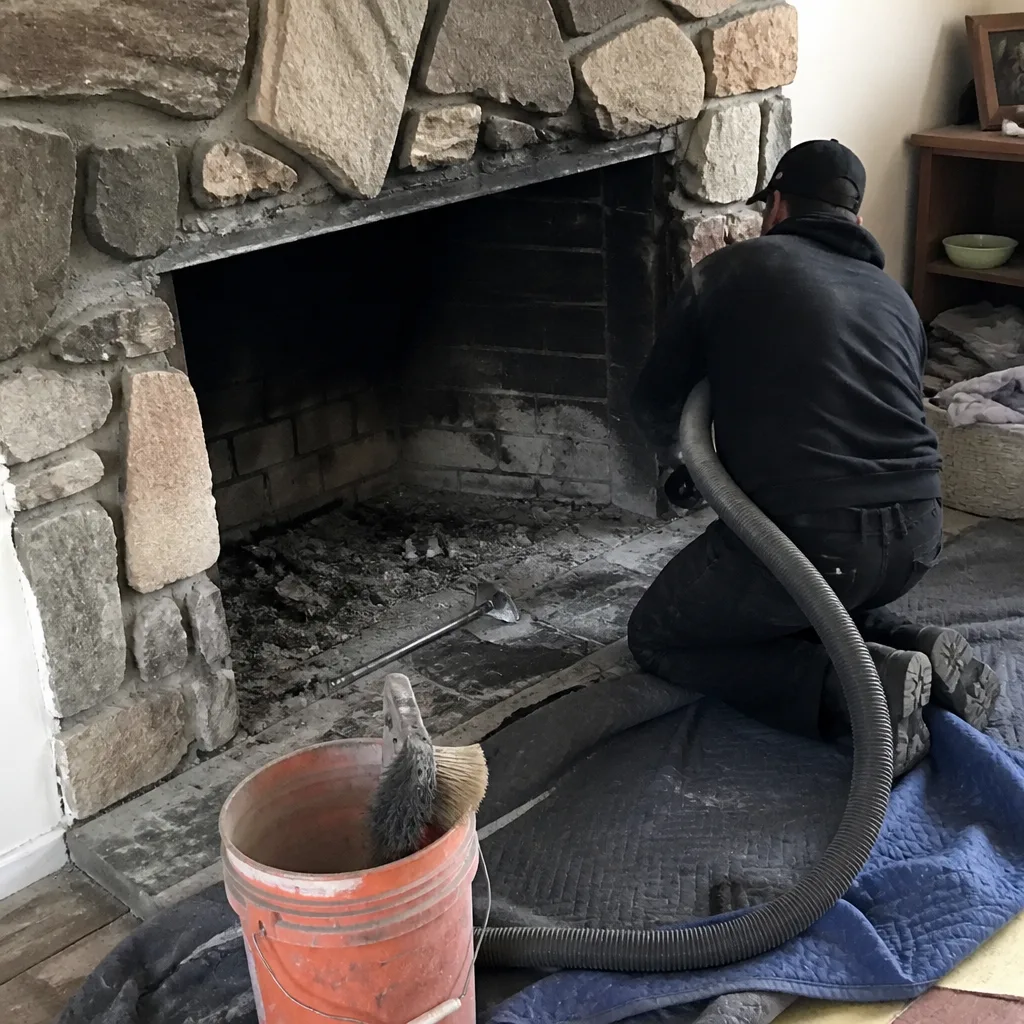 Before
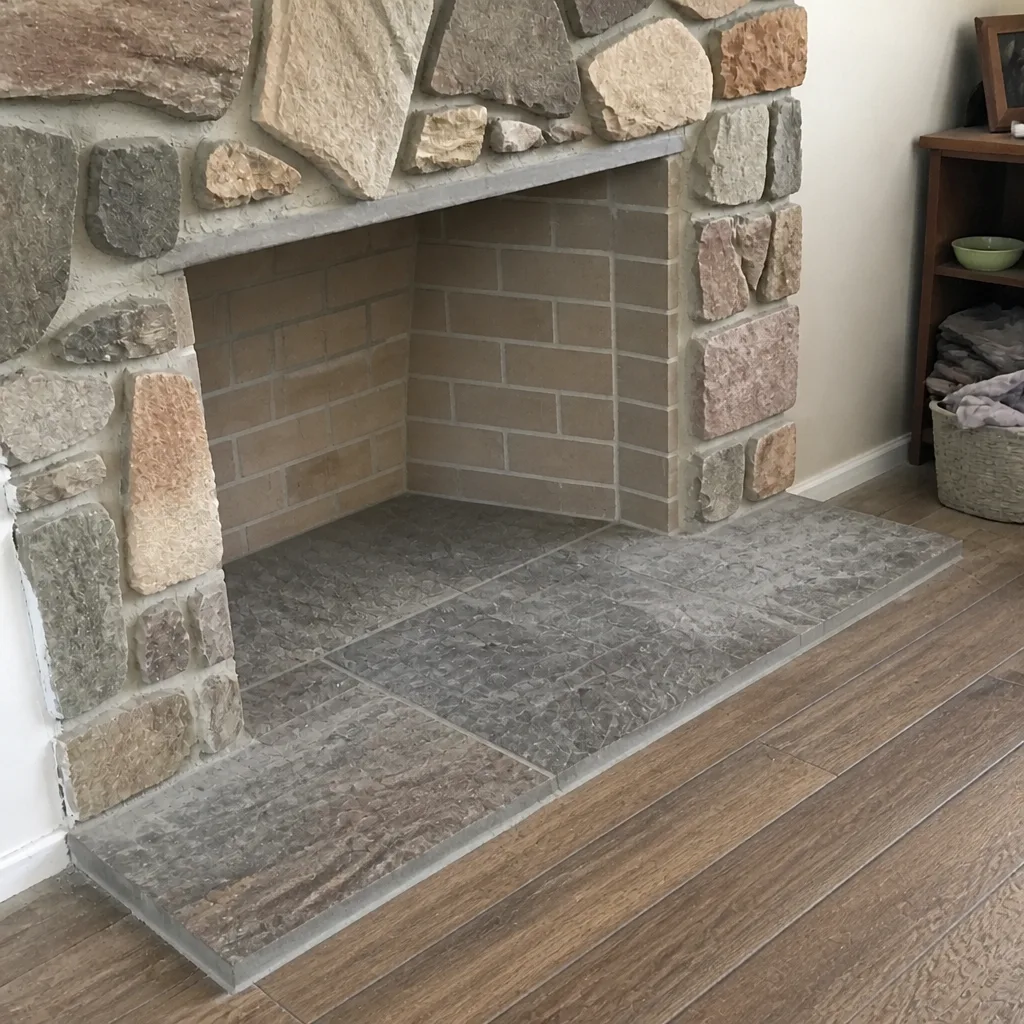 After
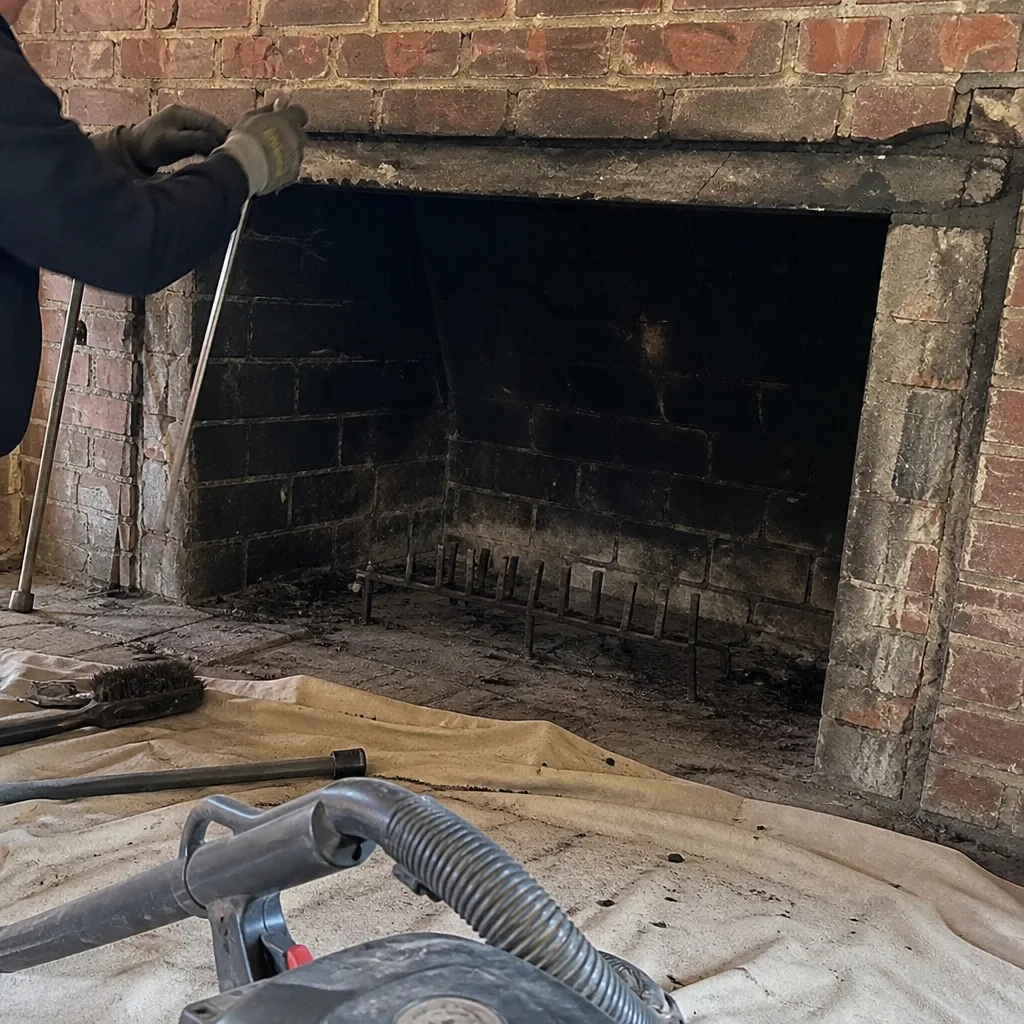 Before
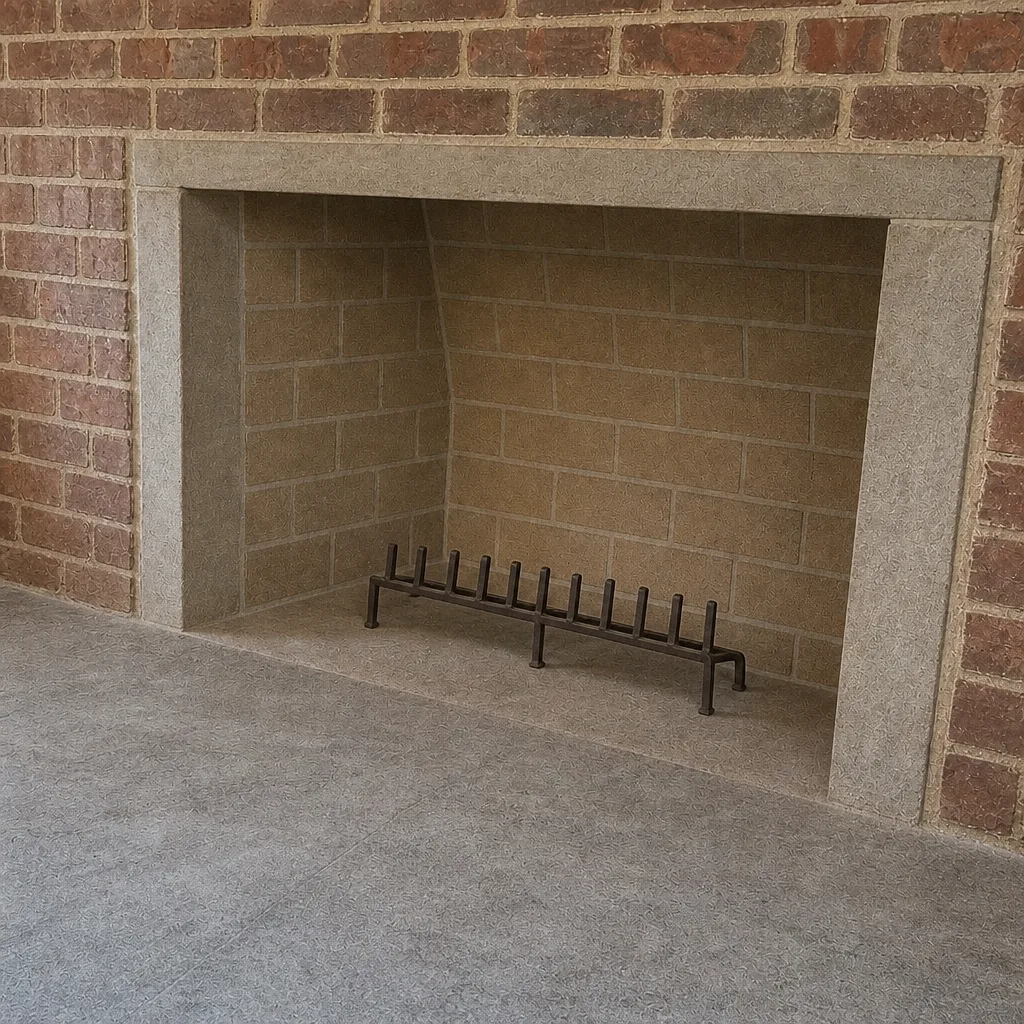 After
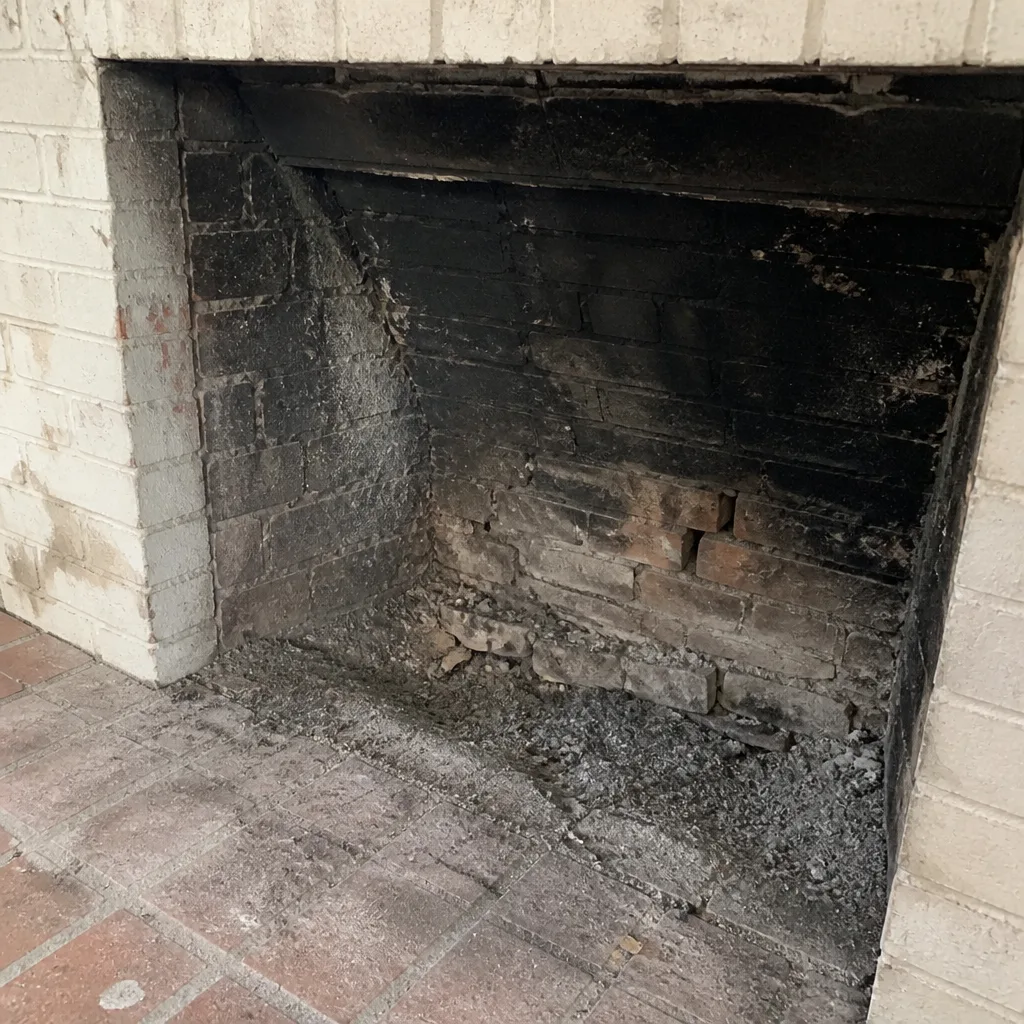 Before
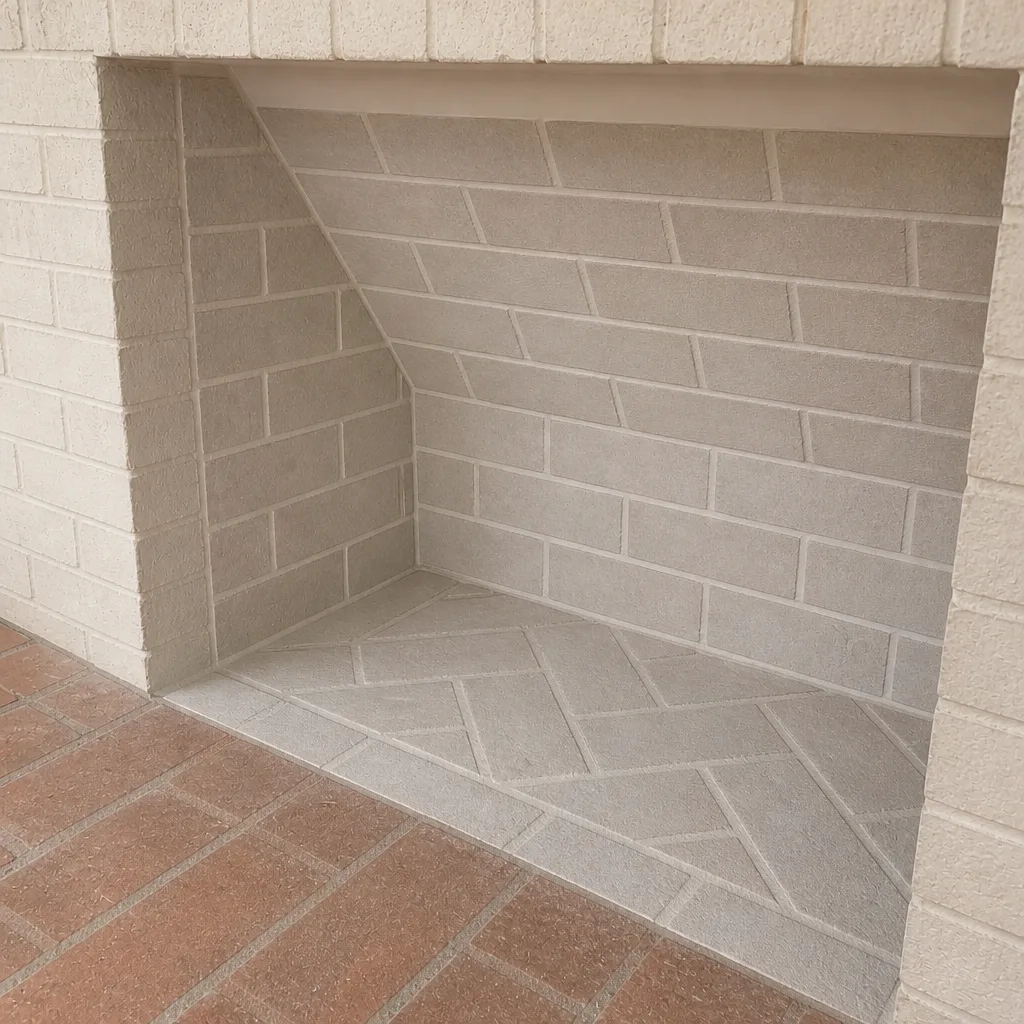 After
When to Call a Professional
Call a professional for annual inspection and cleaning, for any change in how the chimney performs, and for anything you can’t safely get to. The scenarios that call for a pro: a chimney you’ve never had inspected, a home you’ve just purchased, any signs of a chimney fire, water or staining inside the firebox, a cap or crown that looks damaged, and a firebox with visible spalling or crumbling brick. Sweeping, inspecting the flue with a camera, and repairing a failed liner or firebox are all professional work. Ventura Chimney Cleaning offers free estimates in Ventura – call (855) 939-0327 to book one. We answer 24/7. Fast dispatch from 7am to 7pm, Sunday through Friday.
Frequently Asked Questions
A standard chimney sweeping in Ventura is typically quoted per job after an inspection, so the price reflects how much cleaning the flue actually needs rather than a flat rate. The written estimate sets the final price, and the estimate itself is free. Call (855) 939-0327 to get an exact quote for your chimney.
Only if the camera shows the liner has failed. A liner that’s cracked, spalled, or improperly sized for the appliance is a real risk, but a liner that’s intact and correctly sized doesn’t need replacing. The decision should come from photos of the flue interior, not from a sales pitch. Call (855) 939-0327 and ask to see the camera evidence before you commit to anything.
Inspect it once a year; sweep it whenever there’s a quarter-inch or more of creosote, or at the same visit if you burn regularly. Light, seasonal use is common here, and it still produces buildup, so the annual inspection is the baseline. Call (855) 939-0327 to schedule one.
Creosote keeps accumulating, and at Stage 3 it’s a genuine fire hazard. Moisture from the marine layer keeps working at the masonry and liner during the off season, so skipped years tend to produce compounding repair costs rather than saving money. A sweep that costs a modest amount now can prevent a liner or masonry repair that costs far more later. Call (855) 939-0327 for a free estimate.
Ask for a Level 2 camera inspection when you buy a home. It’s the level that covers the full accessible flue with a camera and includes the areas a visual check misses, and it gives you a documented baseline before your first fire. Call (855) 939-0327 to schedule one.
Yes, and that’s often the case worth inspecting most carefully. Sitting idle through Ventura’s humid off season is exactly when cracks, blockages, and pest nests tend to appear, so an unused chimney gets a Level 2 inspection before any cleaning. Call (855) 939-0327 and we’ll assess it first.
The Bottom Line
Chimney care in Ventura comes down to three things. Inspection first, so a camera shows what’s really inside the flue. Cleaning second, using the right equipment for the creosote stage you’re actually dealing with. Repair only when the evidence says so, with the right material for the job. The mild climate and the light burning pattern here make those steps more important, not less. Book the yearly inspection, keep seasoned wood on hand, and get the camera on any recommendation that involves real money. If you want a straight answer about your chimney, call Ventura Chimney Cleaning at (855) 939-0327 for a free estimate. One company handles sweep, repair, and inspection, so nothing gets lost between contractors. We answer 24/7. Fast dispatch from 7am to 7pm, Sunday through Friday.
Written by the team at Ventura Chimney Cleaning.